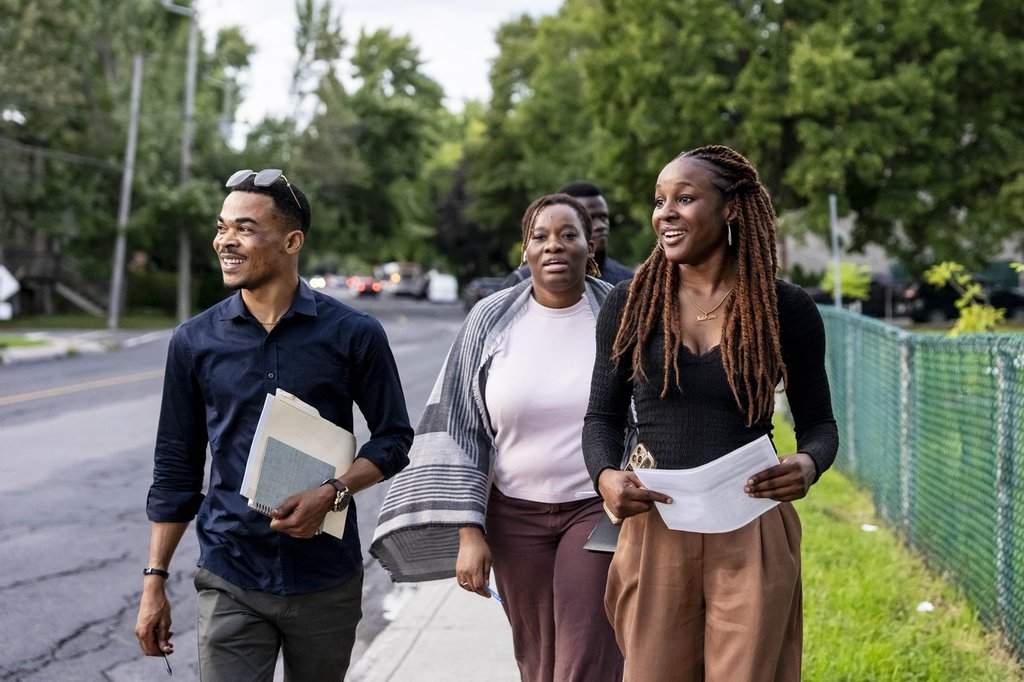
The autumn semester at Quebec universities usually smells of stale coffee, damp library carpets, and the faint panic of syllabus week. But this season, lecture halls double as war rooms. As the province hurtles toward the October 5, 2026 provincial election, a cohort of university students finds itself balancing midterms, academic readings, and high-stakes door-to-door political campaigns.
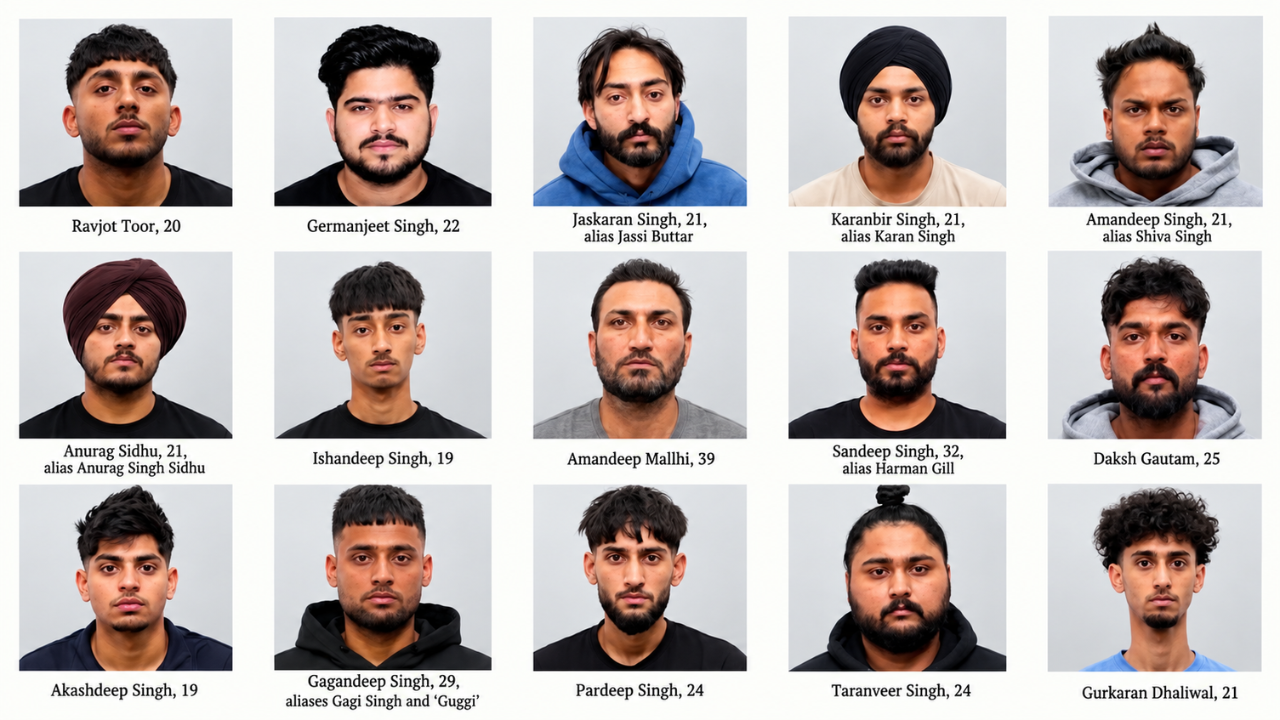
This convergence of higher education and electoral politics exposes a deeper tension within Quebec society. When undergraduate candidates spend their mornings analyzing international law at UQAM or accounting sciences at UQTR, and their evenings dodging aggressive hecklers on suburban sidewalks, they embody a rare brand of institutional fatigue. They are not merely placeholders filling demographic quotas on candidate lists. They are frontline witnesses to a crumbling public education infrastructure and a punishing economic climate that penalizes the young long before they ever enter the workforce.
To understand why campus-based campaigning carries such disruptive weight this cycle, look past the polite press releases. The traditional playbook of parachuting seasoned, middle-aged party loyalists into safe ridings is sputtering. Parties across the political spectrum—from the Coalition Avenir Québec (CAQ) to Québec solidaire and the Liberals—are learning that the electorate is exhausted by rhetoric that ignores structural inequality. Young candidates are deployed precisely because voters sense the disconnect. When a nineteen-year-old accounting student tells a skeptical homeowner that youth representation matters, the pitch lands differently than when it comes from a career politician guarded by spin doctors.
Yet, this dual life exacts a punishing toll. Candidates like Orphée Dubé-Gervais or Clément Mireault do not enjoy the luxury of a standardized campaign schedule. Seminar papers are drafted on commuter trains. Campaign strategy sessions overlap with mandatory lab hours. The romanticized version of youth political engagement—energetic crowds, roaring student unions, and ideological clarity—collides daily with the mundane reality of transit delays and sleep deprivation.
Behind this personal balancing act lies a much larger policy battleground. The current provincial election has thrust Quebec's education system under an unsparing microscope. Public health reports and union warnings have laid bare the widening chasms of a de facto multi-tiered schooling apparatus, where private funding and selective streams siphon resources away from an under-resourced public core. Students entering university today spent their formative high school years navigating pandemic disruptions, shifting tech bans in classrooms, and an inflationary spiral that rendered student housing an acute crisis.
When these student-candidates knock on doors in Montreal or the surrounding regions, they are not arguing abstract political theory. They are defending the viability of their own future. The structural flaws they study in university seminars—housing shortages, stagnant starting wages, and a fraying healthcare safety net—are the exact conditions dictating their electoral platforms.
Critics often dismiss youthful candidates as token additions designed to capture a fleeting demographic headline. That dismissal ignores the historical pedigree of student activism in Quebec. This is a province where academic strikes can topple governments, and where campus corridors have long served as the incubator for major ideological shifts. The 2026 election cycle is no exception, even if the manifestation is institutional rather than insurrectionary. Instead of marching behind barricades, these students are attempting to infiltrate the legislature from within.
The road to October 5 remains unforgiving. Pitting young, unpolished candidates against entrenched incumbent ministers in hostile ridings ensures that many of these academic-politicians will face defeat. But the institutional friction they create on the campaign trail forces established parties to reckon with a generation that refuses to accept managed decline as an inevitability. The autumn semester will end, the ballots will be counted, and these temporary candidates will eventually return to their textbooks. Whether the political establishment learns anything from their intrusion remains the open question.