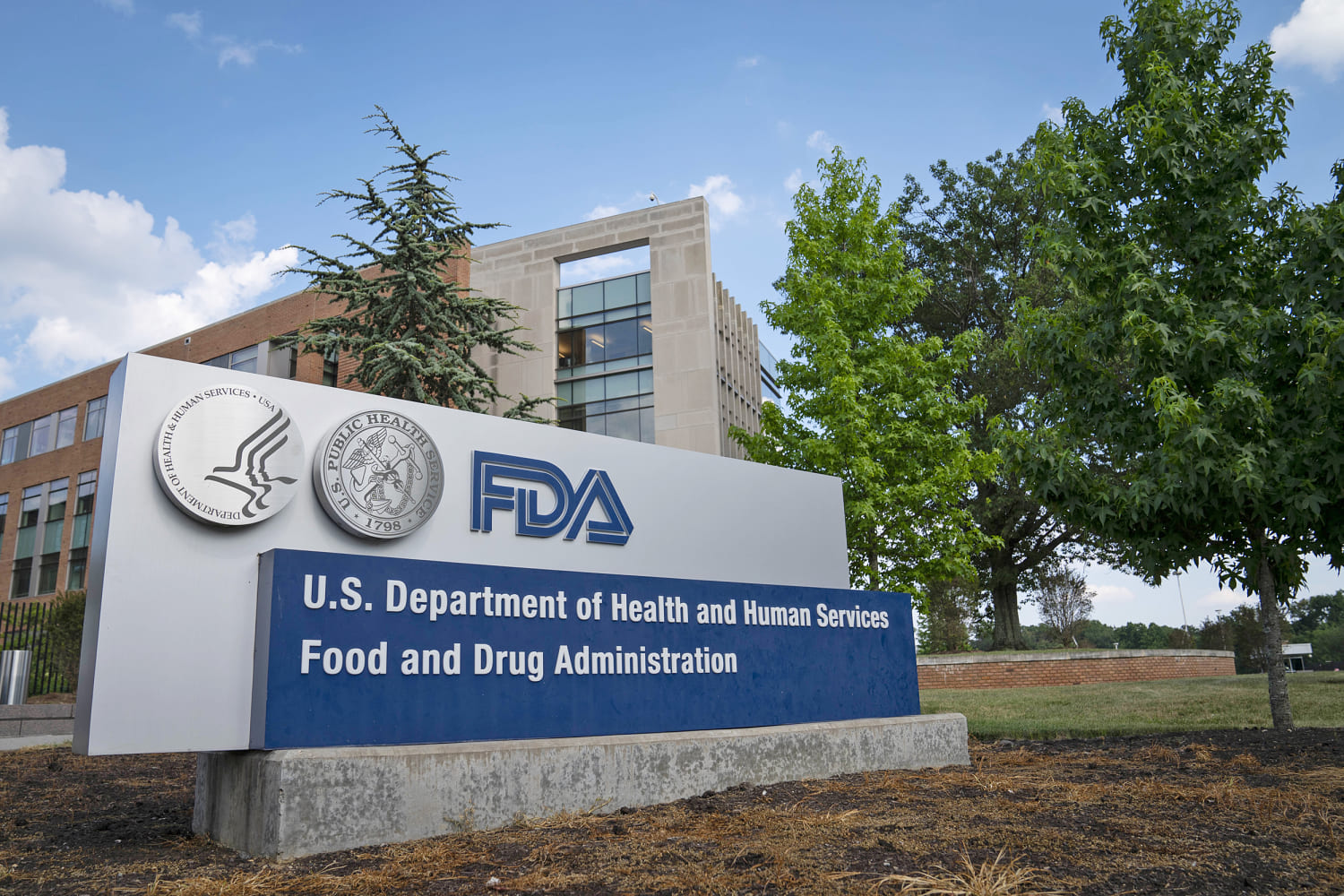
An FDA advisory committee's recent recommendation to ease restrictions on specific bulk peptide substances marks a dramatic shift in federal oversight. For years, the agency restricted compounding pharmacies from formulating custom peptide treatments, placing popular compounds on Category 2 lists that effectively banned their production outside of standard FDA-approved manufacturing pipelines. Now, by reconsidering these restrictions for select compounds, regulators are opening the door for compounding facilities to legally synthesize specific amino acid chains for patient care.
This pivot did not happen in a vacuum. It represents a collision between aggressive regulatory oversight, an exploding private anti-aging market, and a severe supply shortage of mainstream metabolic treatments. Meanwhile, you can explore other developments here: How Influencers and Political Pressure Forced the FDA to Back Unproven Peptides.
The Fall of the Category Two Wall
Under Section 503A and 503B of the Federal Food, Drug, and Cosmetic Act, compounding pharmacies operate in a distinct regulatory space. Section 503A covers traditional, patient-specific prescriptions, while 503B governs outsourcing facilities that produce bulk batches for clinical use.
When the agency placed dozens of popular peptides into Category 2—a designation reserved for substances raising significant safety concerns—compounding pharmacists faced severe penalties for synthesizing them. The rationale centered on impurity profiles. Peptides are complex chains of amino acids. Poorly controlled synthesis can yield dangerous immune-triggering impurities or unintended sequence variations. To see the bigger picture, we recommend the recent article by CDC.
Regulators maintained that unless a peptide underwent full drug approval trials, custom compounding posed an unacceptable hazard. Critics argued the stance was a protective wall around major pharmaceutical drug monopolies.
The recent panel review challenged that long-standing stance. By evaluating updated safety data and analytical testing standards, advisory experts signaled that certain bulk peptide substances do not inherently present the grave safety risks previously claimed.
Following the Money Behind the Scientific Debate
Follow the capital. That is the fundamental rule of health policy.
The global demand for therapeutic peptides has expanded exponentially over the last five years. GLP-1 receptor agonists brought peptide science into mainstream cultural awareness. Consequently, consumer interest spilled into related amino acid therapies like BPC-157, CJC-1295, and Sermorelin.
As patient demand outstripped commercial drug supply, patients turned to compounding pharmacies and boutique wellness clinics. Major pharmaceutical manufacturers pushed back aggressively. They filed citizen petitions urging regulators to crack down on unapproved peptide compounding, citing patient safety and product purity.
Pharmacy associations counter-argued that large manufacturers were simply protecting exclusive patent monopolies. When brand-name injectable shortages hit historic highs, the public health burden shifted back onto local compounders. The advisory panel's willingness to re-evaluate bulk drug substances reflects intense pressure from clinicians, patient advocacy groups, and lawmakers concerned about medical supply chain resilience.
Synthetic Precision and the Impurity Problem
Understanding the debate requires examining how synthetic peptides are built.
Peptides are short chains of amino acids linked by peptide bonds. Synthetic production usually relies on Solid-Phase Peptide Synthesis. In a hypothetical laboratory setting, amino acids are attached sequentially to a resin base, building the desired chain one link at a time.
If a single step fails, a truncated or modified sequence forms.
Consider a hypothetical example. If a laboratory attempts to manufacture a 29-amino-acid chain and experiences a partial coupling failure at step 14, the final batch will contain a truncated 13-amino-acid byproduct. If uncollected by purification equipment, these foreign fragments can trigger unintended immune responses in patients.
Mainstream drug regulators focused heavily on these synthesis artifacts when imposing bans. Commercial drug developers spend tens of millions of dollars optimizing High-Performance Liquid Chromatography to remove structural isomers and impurities. Compounding facilities, regulators argued, often lacked the analytical machinery required to guarantee that level of purity.
However, testing technology has advanced rapidly. High-resolution mass spectrometry and modern analytical testing laboratories allow 503B facilities to verify sequence identity and purity with extreme precision. The argument that compounding facilities are universally incapable of verifying peptide purity no longer aligns with modern laboratory capabilities.
The Clinic Floor Reality
Walk into a modern integrative medical clinic and you will see why this regulatory decision matters so directly to practicing physicians.
For half a decade, doctors specializing in regenerative medicine operated under constant threat of regulatory enforcement. They saw patients benefit from specific peptide protocols, yet faced compounding bans that forced patients toward unregulated online research chemical suppliers.
That black market alternative created genuine public safety risks. Online vendors labeled peptide vials as research chemicals not for human consumption to bypass oversight entirely. These products frequently lacked sterility testing, accurate dosing labels, or heavy metal screenings.
By opening a legitimate regulatory pathway for compliant 503A and 503B facilities to compound verified peptides, the advisory panel is attempting to pull patients back into supervised clinical care. A regulated supply chain under FDA inspection criteria offers far stronger consumer protection than an underground market operating through gray-market websites.
Unresolved Risks and Legal Gray Areas
easing restrictions does not mean an open market without boundaries.
The advisory panel’s recommendations are advisory. The agency retains final authority on whether to adopt the recommendations into formal federal policy. Furthermore, even if specific peptides are cleared for bulk compounding, facilities must comply with rigorous Current Good Manufacturing Practice guidelines.
Several key issues remain unresolved:
- Immunogenicity Testing: Long-term immune system reactions to minor peptide impurities remain difficult to detect without large-scale clinical trials.
- Off-Label Prescription Rules: Regulators still scrutinize clinicians who prescribe compounded compounds for unproven indications.
- Patent Enforcement: Patent holders of approved peptide drugs continue to initiate litigation against compounding facilities that produce similar therapeutic sequences.
The friction between patent law and compounding exemptions will likely play out in federal courts for years.
A Pragmatic Path Forward
The advisory panel's shift represents a practical compromise in an evolving therapeutic environment. Rigid bans pushed patients toward risky alternatives without halting demand. By acknowledging that advanced analytical testing can ensure peptide safety in regulated compounding settings, federal advisors chose pragmatic oversight over blanket prohibition.
The responsibility now falls on compounding facilities to prove they can maintain the high purity standards required for safe administration.