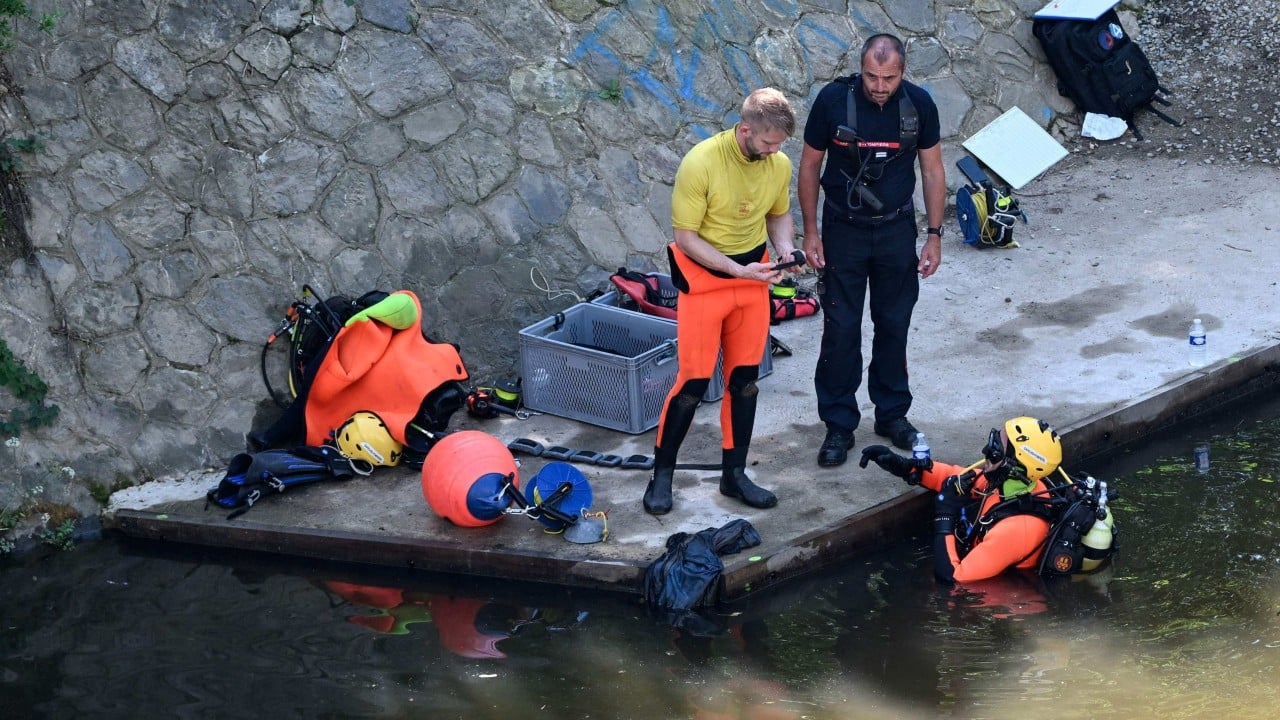
The discovery of an 11-year-old boy dead on the banks of the Vilaine river in Rennes, France, with a wet bath towel tied tightly around his neck, has laid bare a disturbing escalation in juvenile violence. Law enforcement swiftly detained two suspects. A 16-year-old boy was arrested at his residence, while a 15-year-old girl turned herself in shortly after. Both face charges of murder of a minor. This tragedy bypasses the typical boundaries of street delinquency, forcing an uncomfortable examination of how younger demographics are engaging in extreme violence without adult coordination.
Rennes prosecutor Frederic Teillet confirmed that these two teenagers were the last individuals seen with the victim on the afternoon of the incident. Initial reports misstated the victim’s age as 12, but formal identification corrected it to 11. The alarm was raised by a local fisherman who reported hearing the distressed cries of a child near the riverbanks. By the time emergency services reached the location, the child was dead, prompting an immediate containment of the area and deploying police divers to search the riverbed for corroborating physical evidence.
The Anatomy of an Unsupervised Escalation
Public records and immediate police movements show that this case lacks the standard signatures of organized drug gang activity, which frequently uses minors as lookouts or couriers in French urban centers. Instead, the details point to an isolated, personal, or localized interaction that turned lethal. The use of an item like a wet bath towel indicates improvisation rather than premeditation involving weapons.
Street-level investigations in northwestern France show a shifting pattern where minors operate in small, insular peer groups away from parental or institutional oversight. When friction occurs within these micro-networks, the absence of older authority figures allows disputes to spiral without intervention. The fact that a 15-year-old girl presented herself to the police station suggests a rapid collapse of peer-group solidarity once the finality of the act became clear.
Broken Systems and Shifting Delinquency Profiles
French judicial policy regarding minors has historically leaned heavily toward rehabilitation, governed by the principle that children require education over incarceration. However, the recurring visibility of severe violence committed by adolescents under 16 is putting immense strain on this legal framework. National debates are intensifying around whether the current age thresholds for full criminal responsibility remain practical.
Local social workers in Brittany have noted that tracking vulnerable youth has become increasingly difficult as social interactions migrate entirely to encrypted digital spaces. Misunderstandings, minor debts, or perceived insults can amplify rapidly online before manifesting as physical confrontations in isolated public spaces like the Vilaine riverbanks. The formal structures meant to flag at-risk behavior are frequently looking for traditional markers like truancy or petty theft, completely missing the volatile interpersonal dynamics developing outside the classroom.
The Limits of Regional Policing
While police divers and forensic teams continue gathering evidence along the river, the broader regional law enforcement apparatus faces structural limitations. Resource allocation in cities like Rennes is heavily skewed toward combating open-air narcotics markets and property crime. Spontaneous violent acts occurring among children in peripheral natural spaces fall into a monitoring blind spot.
Relying on a passerby or a fisherman to report an ongoing assault means that intervention usually arrives too late. Increased surveillance cameras or foot patrols are frequently suggested as solutions, but they cannot realistically cover every stretch of riverbank or suburban park. The judicial process will now depend on the forensic analysis of the towel and digital footprints found on the suspects' mobile devices to establish exact timelines and individual accountability.
The legal proceedings will take place behind closed doors due to the age of the accused, shielding the specifics from immediate public view but ensuring that the broader questions about youth alienation and systemic failure will remain unanswered for months to come.