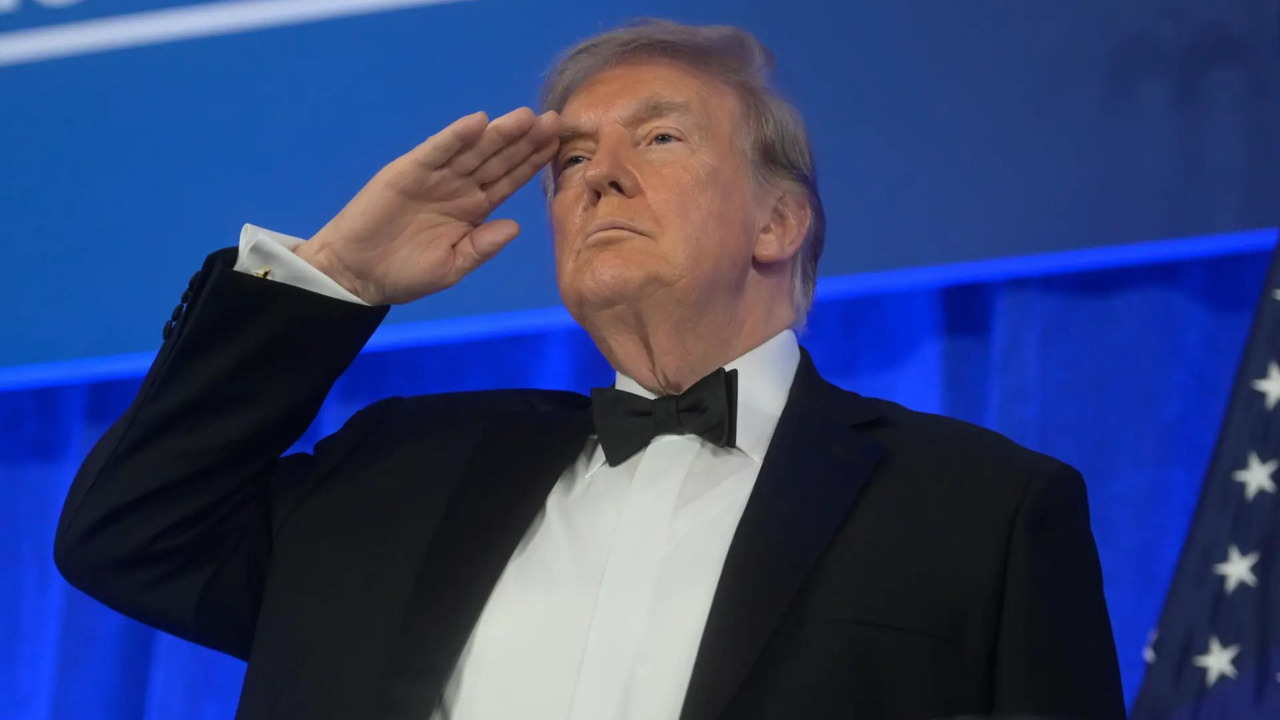
President Donald Trump stepped up to the podium at the Waldorf Astoria hotel for the rescheduled White House Correspondents Association dinner, an event pushed back three months after an armed assailant tried to storm the original gathering in April. The night was billed by organizers as a testament to institutional resilience. It was framed as proof that violence cannot silence a free press. Beneath the surface of black-tie optional attire and heightened security, however, a much deeper institutional friction was playing out in real time.
The traditional alignment between the Washington press corps and the executive branch has curdled into open warfare.
The Anatomy of a Compromised Tradition
For decades, the annual dinner operated as a bizarre ecosystem where political antagonists broke bread, shared dry humor, and temporarily pretended that partisan bickering took a back seat to the constitutional defense of the First Amendment. That compact had already begun to fray heavily during Trump's first term when he boycotted the event entirely. His return for his second term, followed immediately by the terrifying April shooting incident at the Washington Hilton, transformed what should have been a standard social ritual into an exercise in high-stakes tension.
When the White House Correspondents Association decided to reschedule rather than cancel, they walked straight into a trap of their own making.
Hundreds of working journalists and multiple press freedom advocacy groups signed an open letter condemning the decision. They argued that celebrating the First Amendment alongside an administration actively pursuing subpoenas against reporters, slapping restrictions on press access, and threatening broadcast licenses is fundamentally contradictory.
The association leadership chose to proceed anyway. They prioritized the show of defiance over internal cohesion.
Security Realities and Scaled-Down Access
Moving the event from the sprawling Washington Hilton ballroom to the more intimate confines of the Waldorf Astoria drastically altered the evening's dynamics. The guest list plummeted from over three thousand attendees down to roughly seven hundred.
There was no traditional red carpet. There were no sprawling pre-dinner cocktail receptions where reporters could buttonhole cabinet secretaries off the record. Instead, attendees funneled through a single, heavily guarded entrance past bomb-sniffing dogs, armed federal agents, and multiple rounds of identification checks.
This environment eliminated the casual mingling that historically gave journalists an edge in sourcing information. When you trap reporters and high-ranking administration officials inside a heavily fortified bubble with limited space, the event ceases to function as a networking hub. It becomes an isolated stage where the performance of democracy substitutes for the actual work of accountability.
The Secret Service treated the site like any high-threat presidential movement. That security posture underscored a grim reality. Public-facing political events in the capital now exist under an umbrella of constant threat, altering how politicians and the press interact in shared physical spaces.
The Cost of Coziness
Critics outside the mainstream press corps have long pointed out that the very existence of the dinner creates an ethical hazard. When journalists pay substantial sums to sit at tables with the officials they are supposed to investigate, public trust takes a direct hit.
The public does not see a brave stand for press freedom when they watch correspondents in formal wear applaud politicians. They see an insular club.
By pushing through with the rescheduled event, the leadership doubled down on a format that alienates everyday readers and viewers. The administration recognized this leverage early. Press secretary Karoline Leavitt teased a speech that would be simultaneously unifying and vicious, capturing the exact paradox of the evening. The president could step to the microphone, deliver sharp rebukes to the media organizations sitting inches away, and still extract the institutional legitimacy that comes from addressing the room.
The association attempted to reclaim narrative control by honoring Secret Service officer Victor Gonzales—who was wounded while stopping the April gunman—alongside the hotel staff who assisted guests during the chaos. That recognition was entirely warranted and necessary. Yet it also served to wrap the evening in an emotional armor that made it exceptionally difficult for any journalist in the room to aggressively challenge the president without appearing ungrateful or callous toward the trauma of the spring attack.
The Unresolved Clash Over Accountability
The fundamental question haunting the room was simple. Can an institution effectively hold power accountable while sharing a dinner table with it?
The events of this summer proved that the answer remains deeply contested. While association president Weijia Jiang forcefully declared that the press would not be intimidated into silence, the structural pressures facing reporters tell a different story. Legal challenges, federal investigations into leaks, and routine executive exclusion continue to degrade the daily mechanics of reporting.
A single night of black-tie solidarity does nothing to reverse those trends. It papers over systemic deterioration with a veneer of normalcy.
The real test of the press corps was never going to happen under the chandeliers of a luxury hotel ballroom. It happens in federal courtrooms, at crowded daily briefings, and through dogged investigative reporting that refuses to be distracted by the pageantry of Washington social traditions.
The glass remains shattered, and sweeping the pieces under a rented rug does not fix the floor.