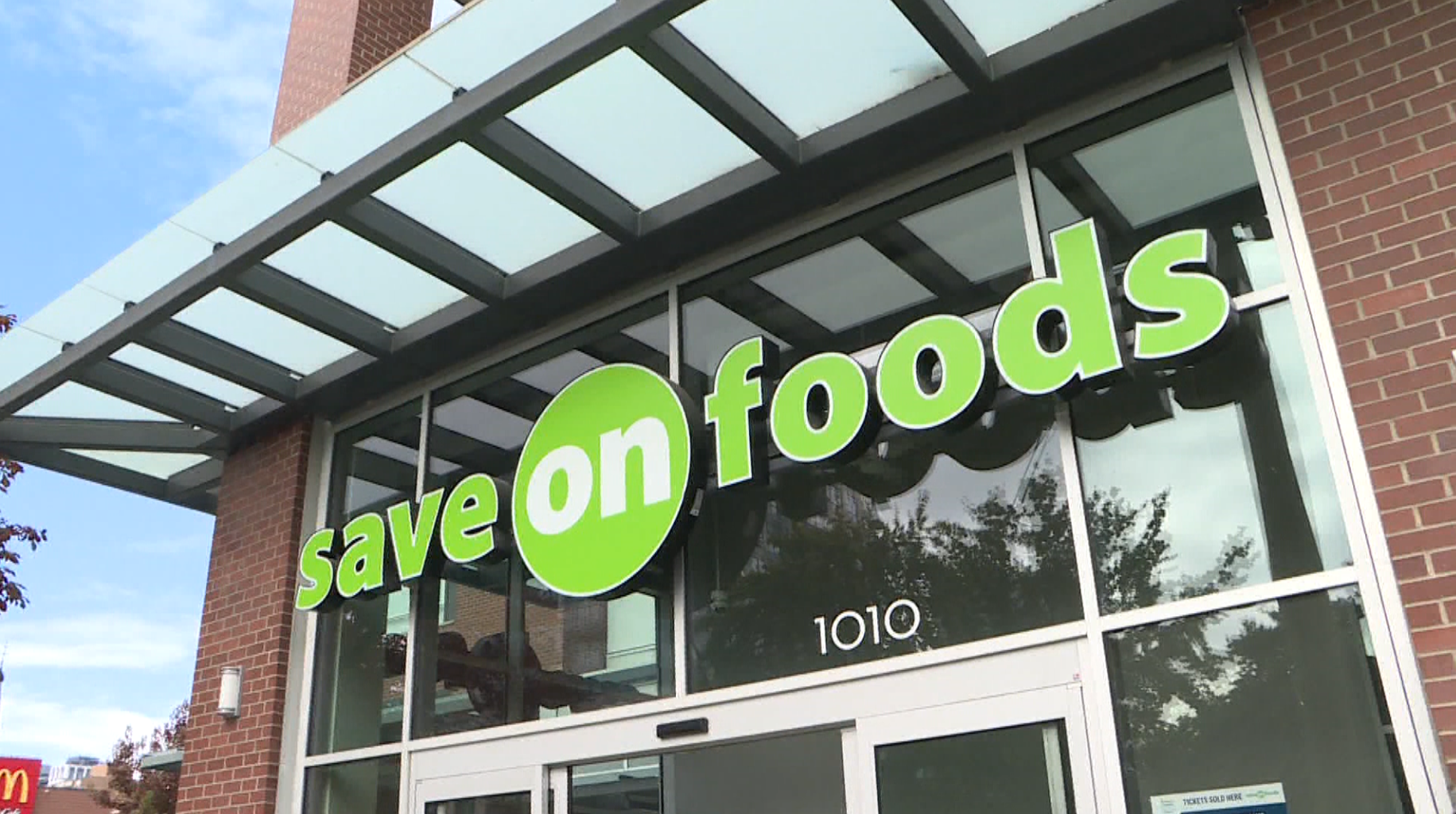
Pattison Food Group confirmed in October 2026 that unauthorized actors accessed personal data tied to its More Rewards loyalty program, exposing names along with contact details and birthdates where provided across banners including Save-On-Foods, Buy-Low Foods, PriceSmart Foods, and Nesters Market. Company notices stated that passwords, credit card information, and transaction histories were not accessed, and that More Rewards accounts themselves remained secure. Yet the company has declined to disclose how many of the program's more than 3.5 million members across Western Canada were affected, leaving shoppers in the dark about the true scale of the exposure.
A routine Friday evening email rarely triggers panic in a grocery aisle. Most shoppers treat a loyalty notification the way they treat a flyer for two-for-one avocados, scanning the subject line while trying to remember whether they need milk or eggs. That ordinariness is precisely why a grocery loyalty database holds a quiet kind of leverage for anyone willing to extract it.
Coverage of the More Rewards incident has largely treated it as a contained server hiccup with a tidy reassurance attached. No payment cards were taken. Passwords stayed out of reach. On paper, that reads like a minor bruise rather than a structural wound.
Having spent decades watching retail operators, payment processors, and incident responders pick through the wreckage of corporate compromises, I find that comfort dangerously premature. Retailers routinely build loyalty programs around a simple value exchange, trading small discounts and points for rich customer profiles. When a database holding those profiles gets breached, the danger does not end with the server that was locked down. It begins in the inbox, on the phone, and across every other account a shopper uses where identity verification relies on basic personal details.
Why Loyalty Databases Attract Quiet Intruders
Supermarket loyalty programs sit in an awkward middle ground of corporate security. They are not payment vaults governed by strict card-network compliance regimes in the same way a checkout terminal is, nor are they always guarded with the paranoia reserved for core banking ledgers. Yet they collect a remarkably clean dossier on ordinary households.
When you sign up for a rewards card at Save-On-Foods or another Pattison Food Group banner, the pitch is straightforward. You scan a card or enter a phone number, and in return you get member pricing, bonus points, and targeted offers. For online grocery orders, signing up for More Rewards has even been a requirement at Save-On-Foods, turning an optional perk into a gateway for routine household commerce.
From an attacker's perspective, a database containing names, home addresses, phone numbers, email addresses, and dates of birth is a precision tool. None of those fields looks dramatic on its own. Together, they form the connective tissue of modern social engineering.
A breach of names, birthdates, and contact details does not need to steal a bank password to do real damage. It supplies the exact context that makes a scammer sound familiar rather than suspicious.
Attackers rarely rely on a single database in isolation anymore. In criminal marketplaces, fragments stolen from one retail or marketing system are stitched together with data from unrelated incidents to build fuller profiles on targets. Even when a company asserts that passwords and payment cards were untouched, the exposed identity fields still carry clear operational value for targeted outreach and account-recovery probing.
The Friday Notice and the Silence on Scale
Timing shapes how people read a corporate warning. Pattison Food Group sent breach notifications to members on Friday, October 16, 2026, after discovering unusual activity on a server and moving to contain it. Reports also noted that the company indicated it had notified appropriate authorities and privacy regulators, while keeping a tight lid on specific operational details.
What stood out immediately in early reporting was what went unanswered. More Rewards has been described as having more than 3.5 million members across Western Canada, a figure that represents the program's broader reach rather than a confirmed count of impacted individuals. Without a disclosed number of affected members, customers are left guessing whether the exposure touched a narrow slice of records or a massive portion of the loyalty base.
That omission frustrates consumers for a practical reason. When a company withholds scope while emphasizing containment, shoppers have to decide on their own how seriously to treat the alert. Some dismiss it because no credit cards were involved. Others worry that initial assurances about what was not accessed may evolve as forensic reviews continue, a pattern seasoned observers have seen play out across retail breaches for years.
By late October and early November 2026, the fallout moved beyond customer service queues into the courts, with a proposed class-action claim filed in British Columbia seeking identity theft protection and related remedies on behalf of affected More Rewards members. As with any proposed class action, the filing marks an opening legal salvo rather than a proven finding of liability, and certification remains an early hurdle. Still, its appearance underscores a persistent gap between corporate containment statements and consumer expectations after a data compromise.
What Was Taken Versus What Was Spared
Separating confirmed exposure from reassuring exclusions is essential when evaluating a breach notice. Pattison Food Group's communications identified names and, where provided by the member, residential addresses, phone numbers, email addresses, and dates of birth as the data accessed.
At the same time, the company stated that based on available information, passwords, credit card data, and transaction history were not accessed, and that More Rewards accounts themselves remained secure. If that holds up, shoppers do not face the immediate nightmare of someone draining a stored payment card directly from the loyalty database.
Even so, each exposed field carries a distinct risk profile in the wild:
- Email addresses act as the primary delivery lane for convincing follow-up lures disguised as weekly deals, points updates, or account alerts.
- Phone numbers open the door to believable voice calls and text messages that feel more urgent and personal than bulk spam.
- Dates of birth enable seasonal hooks—such as birthday offers—and supply a core piece of personal data often used in casual verification checks or security-question guesses.
- Home addresses ground a message in real-world geography, making a caller or sender seem as though they already have verified records on file.
Consider a hypothetical example of how these pieces fit together. Suppose a shopper named Claire receives a text or call claiming to be from a grocery rewards team about a billing or account check, referencing her city and birth month before asking her to confirm another detail. Nothing in that script requires the caller to possess her credit card number or More Rewards password. Knowing a few accurate facts is often enough to lower a person's guard during a busy afternoon.
The Counter-Argument You Rarely Hear
Not every data breach produces catastrophic financial loss, and pretending otherwise damages credibility. A fair assessment has to acknowledge the counter-argument that many More Rewards members hear from friends or read online: much of a person's basic contact information already circulates across marketing lists, directories, and earlier breaches elsewhere in the economy.
From a strict risk standpoint, an exposed name, phone number, or birthdate is far less severe than a leaked social insurance number, passport scan, or unencrypted payment vault. For a shopper who rarely uses online grocery ordering or who entered minimal details years ago, the practical impact of this specific incident may turn out to be little more than an uptick in unwanted messages.
That nuance matters because alarmism wastes people's energy. Shoppers do not need to freeze their lives over a loyalty contact-data leak. They do, however, need to recognize that cumulative exposure changes the math. Every additional database that leaks a birthdate or phone number narrows the margin for error when a clever impersonator comes calling.
Why Grocery Loyalty Mail Is Such Effective Cover
Most people expect a bank to send security alerts and a government agency to send tax notices. When a message arrives that looks like a routine supermarket promotion, points reminder, or seasonal perk, skepticism drops.
Fraudsters exploit routine habits rather than dramatic emergencies. A message promising a small reward or asking you to verify profile details to keep earning points fits effortlessly into everyday life. Worse, display names in email clients and caller IDs can easily mislead someone glancing at a screen while juggling groceries, kids, or work.
Account Hygiene Beyond the Grocery Aisle
Even when a loyalty account itself is reported as secure, the real vulnerability often lies in credential reuse and weak sign-in habits on unrelated services. If a shopper uses the same email address and password combination across retail sites, forums, or financial portals, a targeted phishing campaign sparked by exposed contact details can become a stepping stone into something far more sensitive.
Stronger authentication—such as an authenticator app or passkey rather than relying solely on SMS codes—helps blunt account takeovers even when an attacker knows your email address and phone number. Reviewing what personal fields you actually store in retail profiles is equally worthwhile, particularly optional details like a birthdate that you may not even need to share to collect points.
Practical Steps for Shoppers Right Now
You cannot claw back data once an unauthorized party has accessed it. You can, however, tighten how you respond to incoming messages and how exposed your wider digital footprint remains.
- Treat messages as notices, not instructions: If you get an email, text, or call referencing More Rewards or a Pattison Food Group store, do not click embedded links or share personal details on the spot. Open your browser or official app independently to check your account.
- Verify the actual sender address: Display names are easy to fake. Inspect the underlying email address or domain carefully rather than trusting the header label.
- Guard identity-verification questions: Be wary of anyone who already knows your name, address, or birthday and uses that familiarity to ask for missing pieces or security-question answers.
- Upgrade sign-in protections elsewhere: Enable multi-factor authentication using an authenticator app or passkey on important accounts, and avoid reusing passwords across sites.
- Audit and trim stored profile data: Log in directly through the official site to check what personal information is saved on your profile, remove optional fields you no longer want stored there if possible, and keep a copy of any breach notice in case you choose to track regulatory updates or potential claims.
Every time a household hands over its details for a modest discount at the checkout counter, it places a quiet bet on the operator's quiet defenses. When those defenses fail, the real cost is measured not in lost grocery points, but in how much harder it becomes to trust the next message that lands in your inbox.