The Real Motives Behind the Balmoral Reconciliation Drive
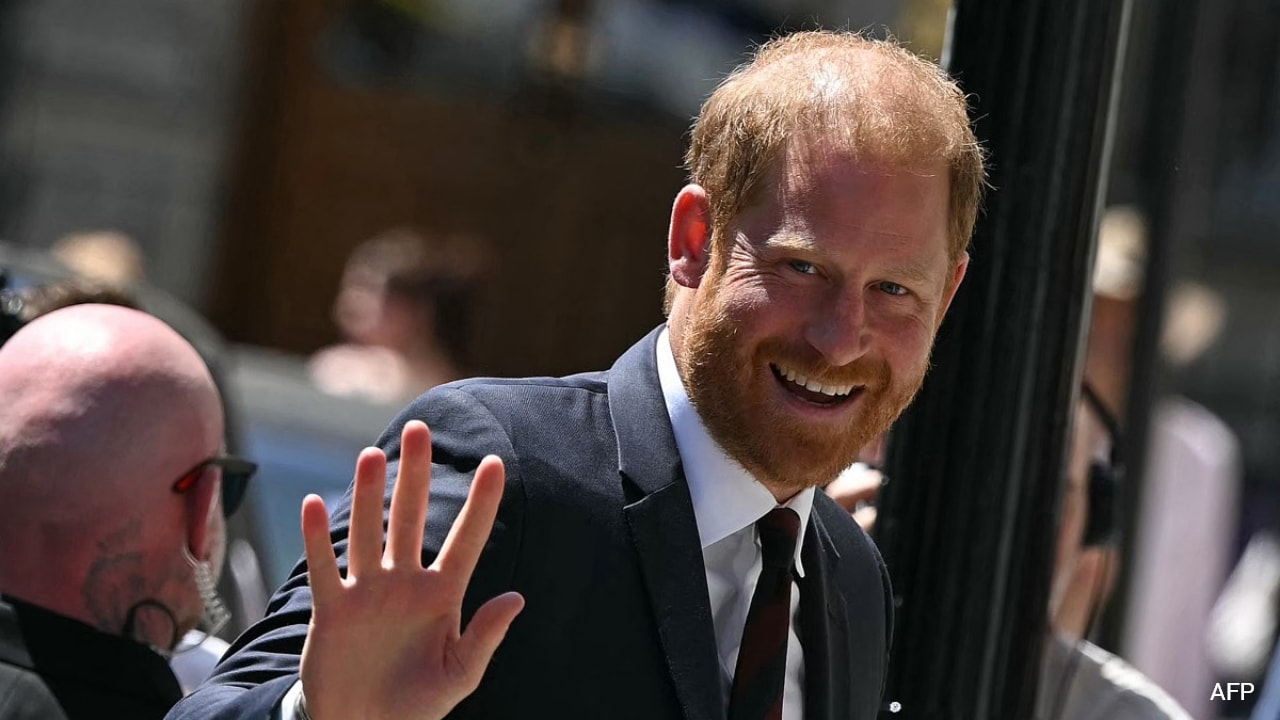
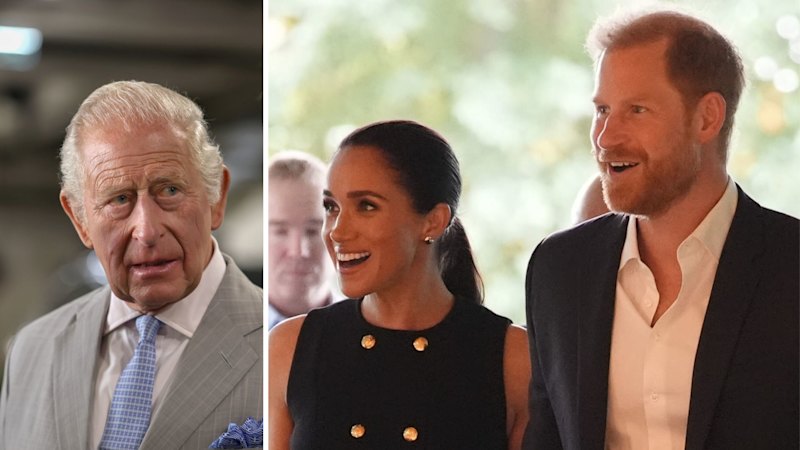
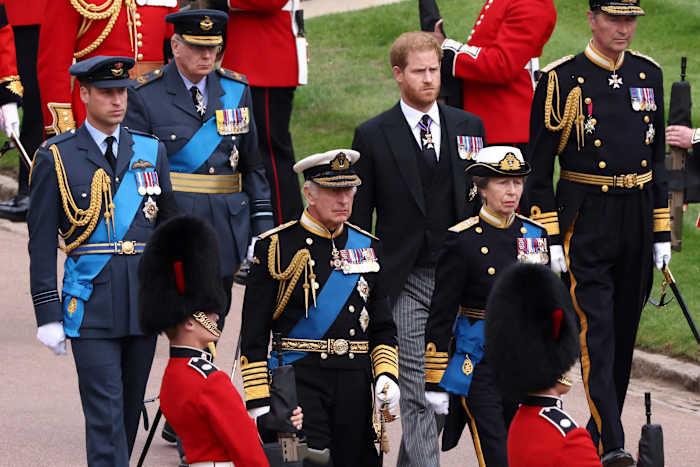
When King Charles III quietly opened the doors of his royal residences to Prince Harry and Meghan Markle for their first family gathering in years, palace insiders framed the event as an overdueolive branch. The public narrative was straightforward. An aging monarch, dealing with severe health challenges, wanted his children and grandchildren under one roof to heal deep wounds before time ran out.
Behind the security perimeters, the calculus was far more pragmatic.
Sources close to the royal household confirm that the initiative was driven as much by institutional risk management as by parental sentiment. The Duke and Duchess of Sussex have spent years building a media apparatus grounded in their alienation from the firm. Every interview, memoir, and documentary project thrived on the tension between Montecito and Buckingham Palace. By inviting the couple back into the physical fold, the monarchy effectively attempted to neutralize the conflict. You cannot easily monetize a feud while accepting hospitality from the head of state.
For Harry, accepting the invitation carried distinct financial and public relations risks. His commercial value hinges on maintaining an insider perspective on royal life, yet every interaction with senior royals subjects him to claims of hypocrisy. For Charles, the risk was exposing the monarchy to potential leaks while gaining a brief moment of public quiet.
The Financial Mechanics of Royal Estrangement
To understand why this summit occurred, follow the capital. The breakdown between the Sussexes and the crown is rarely just an emotional affair; it is an economic divorce with complex funding models.
When Prince Harry and Meghan stepped back from active duties, they severed access to the Sovereign Grant, the government-backed fund that covers official royal expenses. They exchanged guaranteed public funding and private duchy subsidies for commercial freedom in North America. That transition proved volatile.
+-------------------------------------------------------------------+
|                  THE DUAL REVENUE CONFLICT                        |
+-------------------------------------------------------------------+
| BUCKINGHAM PALACE                                                 |
| - Funded by: Sovereign Grant & Duchy revenues                     |
| - Priority: Institutional permanence, discretion, soft power      |
| - Mandate: Total secrecy regarding private family matters         |
+-------------------------------------------------------------------+
                                 vs
+-------------------------------------------------------------------+
| MONTECITO (SUSSEX MEDIA)                                          |
| - Funded by: Commercial production & publishing deals             |
| - Priority: High engagement, direct-to-consumer intimacy          |
| - Mandate: Revelation of personal narratives to justify value     |
+-------------------------------------------------------------------+
The fundamental conflict lies in these opposing business models. The British monarchy survives on institutional silence and grand symbolism. The Sussex empire relies on revealing personal detail to sustain subscriber interest and multi-million-dollar production commitments.
The Cost of Independent Security
Security costs remain the single biggest economic wedge driving the two sides apart.
- Official Protection: Working royals receive round-the-clock protection provided by the Metropolitan Police, funded by British taxpayers through dedicated home office allocations.
- Private Arrangements: Stripped of state-funded security when visiting the UK, Harry faced an estimated annual bill exceeding two million dollars for high-grade private teams lacking local intelligence access.
- Legal Friction: Continuous legal challenges against the Home Office over security clearance reflect a operational reality: without official protection, prolonged visits to the UK remain financially and logistically prohibitive for the Sussex family.
The recent meeting attempted to address these operational mechanics off the record. Yet without a permanent legal framework governing Harry's security detail on British soil, any talk of a sustained return or routine family visits remains structurally impossible.
Why the Palace PR Machine Changed Tactics
For decades, the palace operated under a simple PR directive: never complain, never explain. The rise of direct digital publishing destroyed the utility of that strategy.
When Prince Harry published his memoir, the palace's silence was initially perceived as vulnerability rather than dignity. The institution realized that total disengagement allowed the Sussex narrative to dominate global headlines unchecked.
             HISTORICAL PALACE STRATEGY
          [ Unilateral Media Releases ]
                        │
                        ▼
            [ Broadcaster Distribution ]
                        │
                        ▼
             [ Monopolized Narrative ]

                        vs

              MODERN SUSSEX STRATEGY
          [ Direct Content Streaming ]
                        │
                        ▼
            [ Global Digital Reach ]
                        │
                        ▼
            [ Decentralized Narrative ]
The decision to host the family marked a tactical shift. By offering an invitation, the King shifted the burden of proof back onto Montecito. If the Sussexes declined, they risked appearing unreasonable to an international audience. If they accepted, they placed themselves back inside an environment where palace courtiers control the physical security, access, and media briefing schedules.
It was a calculated chess move. A quiet weekend behind closed doors neutralized months of public speculation without requiring a single formal apology or institutional compromise from the Crown.
The Unresolved Succession Dilemma
Beyond media strategies and security budgets lies a constitutional reality that neither side openly discusses: the crown's succession line and the governance of regency.
Under current British law, Prince Harry remains high in the line of succession. He also technically holds the position of a Counsellor of State, one of the senior royals empowered to act on behalf of the King during illness or absence abroad. Parliament quietly mitigated this issue by expanding the pool of Counsellors to include Princess Anne and Prince Edward, effectively side-stepping Harry without the political firestorm of revoking his title by statute.
"Constitutional continuity depends entirely on predictability. The moment a member of the royal family in the line of succession operates as an independent commercial actor abroad, the traditional boundaries between public duty and private profit collapse."
This constitutional friction guarantees that any personal reconciliation remains strictly isolated from state business. The King can host his son for dinner, but the institution cannot restore his official functions without triggering a debate in the House of Commons regarding title legislation and conflict-of-interest guidelines.
The Audience Fracture
The long-term impact of this family split is felt most acutely across generational and geographic lines.
Data shows a stark divide in how the public views the feud:
| Demographic / Market | Royal Family Alignment | Sussex Alignment | Key Drivers |
|---|---|---|---|
| UK Public (Over 55) | High Support | Low Support | Tradition, institutional loyalty, service duty |
| UK Public (18-34) | Moderate / Low | Mixed / Neutral | Indifference to crown, focus on modern social issues |
| US Market | Mixed | High Engagement | Celebrity culture, personal branding, autonomy |
| Commonwealth Nations | Declining Engagement | Sympathetic | Re-evaluating historical ties and colonial legacies |
The palace understands these metrics clearly. Reconnecting with Harry is not just about family unity; it is a vital strategy to maintain relevance among younger, global demographics who view the monarchy through a modern, skeptical lens. Losing that audience entirely accelerates the long-term decline of soft power across the Commonwealth.
The Structural Reality of a Divided House
The quiet summit between King Charles and Prince Harry did not resolve the fundamental structural conflict between the British Crown and the Sussexes. It merely established a temporary truce.
The monarchy remains an institution built on hierarchy, public obligation, and deep discretion. The Sussexes operate within an American media ecosystem that rewards personal transparency, individual branding, and immediate narrative control. These two systems operate on opposing incentives.
Without a fundamental redesign of how royal titles, private commercial ventures, and state protection intersect, future meetings will yield identical results. A warm photo opportunity, a brief wave of favorable press, and an immediate return to the underlying structural stalemate.