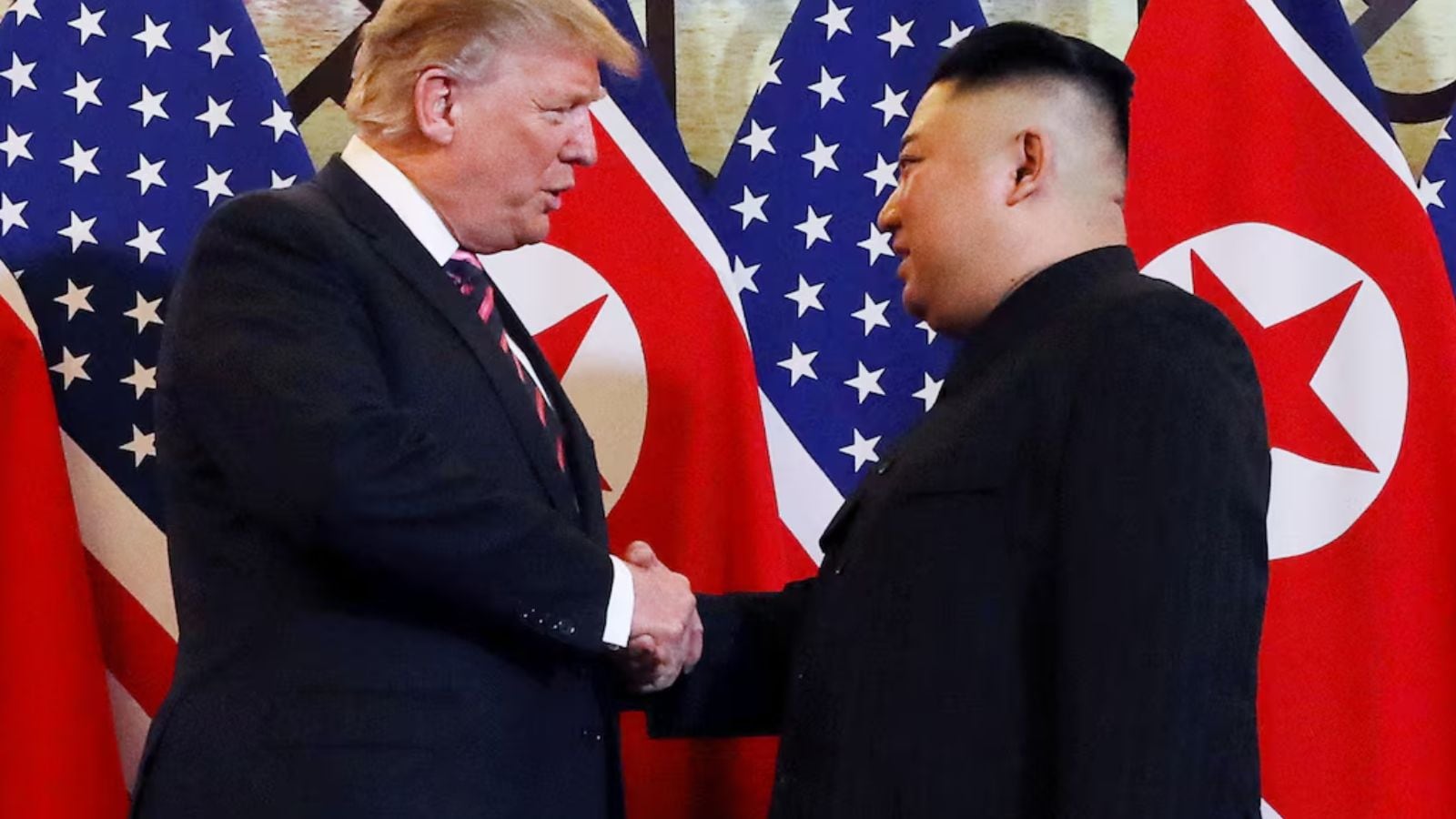
In late October 2026, U.S. President Donald Trump told reporters that SpaceX founder Elon Musk had restored Ukraine's Starlink access following battlefield throttling, while declining to say whether he personally called the billionaire. "The bottom line — he put it back," Trump said. Yet Ukrainian officials disputed that full functionality had returned, and within weeks fresh bandwidth caps and congressional uproar proved that the issue was never a simple on-off switch.
When a private space company controls the nervous system of a modern war, diplomatic assurances and soundbites collide with physical hardware limits and geopolitical leverage. What looked like a settled headline in late October turned into a recurring tug-of-war over drone speeds, diplomatic talks, and sovereign command. Expanding on this theme, you can find more in: The Anatomy of Consular Friction After a Capital Execution.
How Orbital Bandwidth Became a Battlefield Lever
Starlink did not enter the war in Ukraine as a traditional defense prime contract. It arrived early in the full-scale invasion as a lifeline of low-Earth-orbit terminals that bypassed damaged fiber networks and jammed radio links. Over time, Ukrainian units wove those terminals into artillery spotting, infantry coordination, long-range strike drones, and air-defense interceptors.
That integration created a structural vulnerability that no amount of battlefield grit could erase. Commercial and military satellite constellations operate inside proprietary software stacks and network management centers controlled by the operator. Even when terminals sit in Ukrainian hands, throughput, geofencing, and velocity thresholds are governed remotely. Experts at Associated Press have also weighed in on this trend.
Reports in mid-October 2026 indicated that SpaceX had restricted Starlink operations in Ukraine, interrupting connectivity when terminals moved above roughly 160 km/h—a threshold that directly affects fast-moving drones. Reporting also pointed to personal involvement by Musk in capping speeds on the military-oriented Starshield service. For drone operators hunting incoming aerial threats or striking deep targets, a speed ceiling is not a minor annoyance. It changes flight profiles, delays telemetry, and forces crews to improvise under fire.
The Gap Between White House Claims and Frontline Reality
When Trump declared on October 22 that Musk had put the service back, the remark sounded reassuring to anyone reading a quick wire summary. Look closer at what happened on the ground and in diplomatic channels that same week, and a very different picture emerges.
Ukrainian officials pushed back against the idea that normal service had simply resumed. Some said connections were running faster than under the strictest cap, yet still short of full capability. Meanwhile, Ukrainian President Volodymyr Zelenskyy noted that Kyiv was still pressing for clarity from U.S. Secretary of State Marco Rubio on whether speeds could return to higher thresholds such as 400 km/h.
Earlier that month, Rubio had stated that no one at the White House had ordered anyone to slow down internet speeds. Trump's refusal to confirm whether he or someone else had phoned Musk left a deliberate fog over who actually pulled the lever. In wartime, ambiguity is rarely neutral. When Washington disclaims authorship while a private executive holds technical control, accountability slips right through the cracks.
Diplomacy, Pressure, and the Timing of Throttling
Severe bandwidth limits do not happen in a vacuum. The October restrictions unfolded alongside intense U.S. diplomatic pressure on Kyiv—including friction over Ukrainian drone strikes on Russian oil refineries during the U.S. midterm campaign window. By November, reports of renewed Starshield speed cuts surfaced again while negotiations involving the United States, Ukraine, and Russia were underway in Abu Dhabi.
Coincidence is always possible in fast-moving crises. Pattern recognition is still fair game. Whether speed caps were engineered as direct diplomatic leverage, triggered by risk-management rules around high-speed munitions, or shaped by overlapping political priorities, the effect was identical: Ukrainian commanders had to plan missions around connectivity they could not fully count on.
Consider a hypothetical example to see how brittle that position becomes. Suppose an air-defense unit tracks a swarm of fast-moving drones approaching critical infrastructure and relies on high-speed satellite links to cue interceptors and share radar tracks across sectors. If high-velocity links drop or throttle mid-engagement, operators must fall back on shorter-range links or voice relays, widening reaction windows by crucial seconds. Even if the system is not shut off completely, degraded performance alters the tactical math.
Why Washington and Kyiv Could Not Keep It Quiet
For months, allies and analysts debated how much influence a single tech founder wielded over European security. Once speed restrictions hit active drone operations and became entangled with peace talks, the debate moved from theory to congressional oversight.
Lawmakers across party lines began demanding answers. Inquiries were directed toward Pentagon leadership, senators pressed for document preservation, and more than a hundred members of the bipartisan Ukraine Caucus in the U.S. House of Representatives urged the administration and SpaceX to restore full Starshield access. When Trump was asked again in mid-November about renewed Starlink restrictions, he said he had not heard about them—underscoring how disconnected public statements can be from frontline complaints.
| Dimension | Official Narrative | Frontline & Political Reality | Strategic Consequence |
|---|---|---|---|
| Access Status | Trump stated in October that Musk restored access. | Kyiv reported lingering limits and renewed Starshield slowdowns. | Operational planning faces recurring uncertainty. |
| Chain of Command | White House downplayed direct orders to throttle speeds. | Musk's decisions and corporate policies loom large over capability. | Blurred line between sovereign policy and private control. |
| Diplomatic Context | Framed around peace talks and broader war efforts. | Restrictions coincided with refinery strike friction and talks. | Connectivity risks becoming entangled with political leverage. |
| Oversight | Minimal public detail from executive officials. | Bipartisan congressional pushback and document demands. | Heightened scrutiny of defense reliance on commercial space. |
The Hidden Cost of Single-Vendor Dominance
No serious defense analyst ever expected commercial satellites to be a cure-all without trade-offs. Still, the scale of Ukraine's reliance on one constellation exposed an uncomfortable truth about modern warfare. Speed, low latency, and rapid deployment made Starlink indispensable, yet that very convenience bred single-point dependency.
When one company dominates a critical capability, buyers have little bargaining room in the middle of a crisis. You cannot easily swap out tens of thousands of terminals or re-architect drone command loops overnight while artillery is falling. Alternatives exist on paper, and Kyiv has pursued discussions and partnerships with European and international players—including firms such as Kongsberg, Nokia, and ICEYE—to broaden its communications and reconnaissance mix. Building redundant architectures at scale takes time, capital, and integration testing that cannot be rushed under combat conditions.
There is also a deeper legal and strategic question that politicians rarely answer cleanly. If taxpayers fund military-grade satellite services through defense contracts, what rights does a government have to guarantee uninterrupted battlefield performance? Conversely, if a company retains broad operational discretion to protect its hardware, limit perceived escalation risks, or manage commercial exposure, allied militaries are effectively sharing command authority with a boardroom.
What Allies Should Learn From the Whiplash
The Starlink episode is not just a story about personalities in Washington, Kyiv, or Silicon Valley. It is a stress test of how democratic governments buy and govern dual-use technology when deterrence fails and real shooting starts.
Procurement offices love commercial innovation because it moves faster than legacy defense programs. That instinct is sound. Leaving governance rules vague until a crisis erupts is not. Allies need clear contractual guarantees on uptime, clear escalation protocols when technical restrictions are proposed, and genuine multi-vendor redundancy so no single executive or corporate policy can suddenly reshape a theater of war.
Watch how Starlink speeds behave during active negotiations and how defense contractors respond to congressional pressure. The real story of this conflict is not whether a single sentence from the White House sounds reassuring—it is who actually holds the throttle when the fighting intensifies.