The Metropolitan Police have expanded their criminal investigation into Reform UK, dragging Nigel Farage’s populist movement into a legal quagmire over alleged foreign funding and covert polling arrangements. The widening inquiry follows an undercover media sting executed by the investigative group Verbatim, an offshoot of the Centre for Climate Reporting. The footage captured senior party insiders discussing ways to route funds from an American backer past strict British electoral laws. For a political apparatus built on challenging establishment norms and claiming absolute transparency, the unfolding crisis strikes at the core of its populist appeal.
British electoral law under the Political Parties, Elections and Referendums Act 2000 is unambiguous. Political parties can only accept donations from registered UK voters or locally incorporated businesses. Foreign money is strictly barred to prevent external actors from buying influence in Westminster. Yet, the hidden camera footage broadcast by Channel 4 News revealed then-chief of staff Dan Jukes and former head of policy James Orr appearing to navigate around these statutory barriers. The reporters, posing as a wealthy American financier and his UK-based son, allegedly arranged for more than thirty thousand pounds to cover opinion polling commissioned by Reform without registering the transaction as a donation in kind.
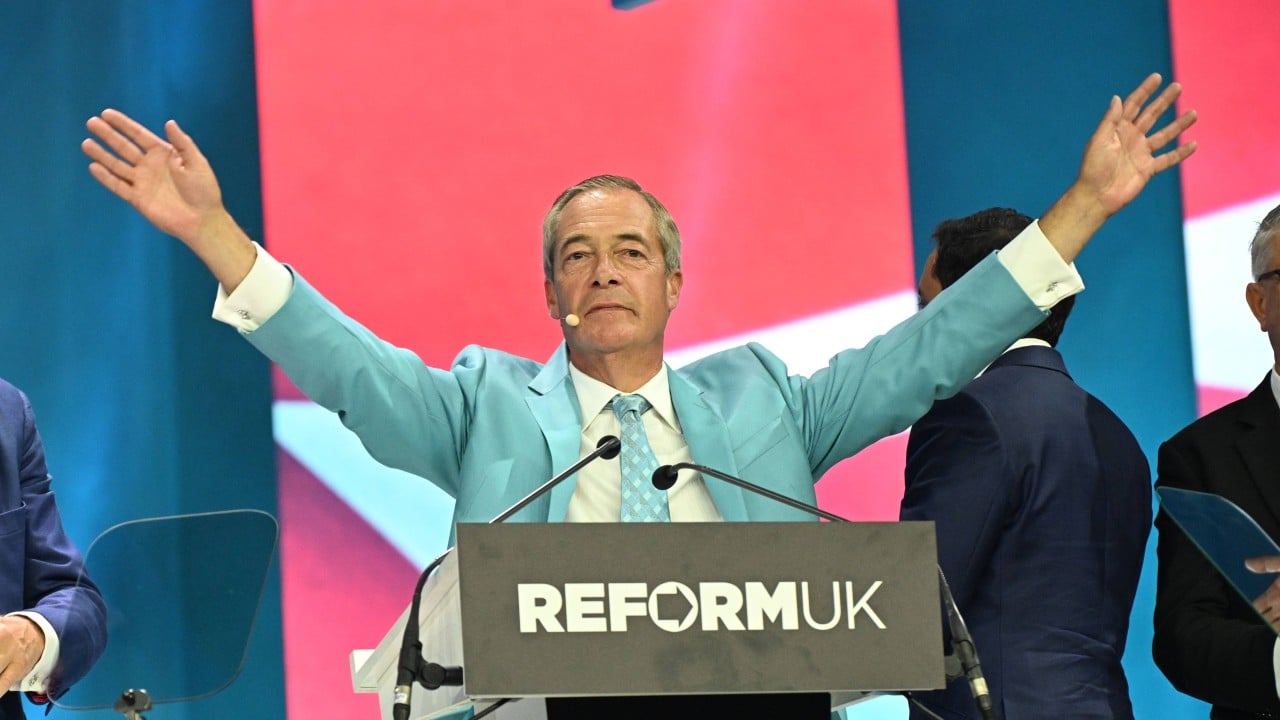
The fallout was immediate. Both Jukes and Orr stepped down from their positions, while the party initially attempted to dismiss the operation as a hoax engineered by climate activists. Farage himself stood before his party conference in Birmingham and characterized the operation as a form of entrapment, reading out legal statements and attempting to insulate his immediate leadership from the actions of his aides. But political survival in modern Westminster requires more than defiant rhetoric when detectives from Scotland Yard begin subpoenaing broadcast footage and liaising with the Crown Prosecution Service.
The Mechanics of Impermissible Donations
Political finance scandals rarely involve suitcases of unmarked cash dropped in dark alleys. Instead, modern breaches usually look like bureaucratic oversight, creative accounting, or naive reliance on intermediaries. The core issue in the Reform investigation centers on a donation in kind. When an outside entity pays for a service—such as commercial polling data—that directly benefits a political party’s electoral prospects without charging market rates, that service constitutes a donation. If the entity paying the bill is based overseas and unregistered in the UK, the transaction violates criminal statutes.
The covert recordings showed discussions about routing money through family members, exploiting the domestic status of a relative to launder the origin of political capital. This tactic touches on a long-standing vulnerability within right-leaning populist movements across Europe and the Americas: an over-reliance on wealthy benefactors who operate across international tax jurisdictions. While mainstream parties face rigorous compliance infrastructure embedded within central party headquarters, insurgent political movements often scale up faster than their back-office compliance departments can handle.
When millions of pounds in donations flood into a rising political insurgency, the administrative pressure on compliance officers multiplies exponentially. In Reform's case, these recent revelations do not exist in a vacuum. The Metropolitan Police Special Enquiry Team folded these new allegations into an existing criminal probe examining earlier donations made prior to the 2024 general election. That separate strand involves substantial funds tied to the family of George Cottrell, an early party aide with a prior criminal conviction in the United States. Add to this a separate parliamentary standards inquiry into a five-million-pound gift Farage received from a Thailand-based cryptocurrency entrepreneur, and a clear pattern emerges. The party's financial architecture is facing unprecedented scrutiny from multiple regulatory bodies simultaneously.
The Populist Playbook Under Pressure
Insurgent political actors operate under a distinct set of rules when caught in legal scandals. Traditional party politicians usually adopt a posture of contrition, apologizing for procedural errors while promising internal reviews. Farage plays a different game entirely. By framing every regulatory inquiry, journalistic investigation, and police probe as an assault by the establishment against the working class, he turns institutional hostility into fuel for his base.
During the party conference, delegates did not talk about compliance manuals or electoral commission guidelines. They talked about media bias, undercover setups, and the deep state trying to stop the populist wave. This defensive strategy insulates the leader from direct harm in the short term, but it creates a fragile long-term risk profile. Once a political entity becomes the subject of a formal criminal investigation by the Metropolitan Police, public relations maneuvers cannot alter the decisions made by detectives and prosecutors.
The Electoral Commission has confirmed it is reviewing all relevant intelligence and coordinating directly with law enforcement. While the watchdog lacks criminal prosecution powers, its findings can trigger formal referrals to the police. If detectives find sufficient evidence that senior figures knowingly bypassed statutory donation controls, individual culpability could extend beyond the junior staffers who already fell on their swords.
Beyond the Headlines
The broader implications of this investigation stretch past the fate of Reform UK. British democracy relies on a fragile compact regarding political funding transparency. As campaigns increasingly shift toward data-driven targeting, micro-targeted polling, and digital advertising, the cost of political influence has changed. Traditional paper trails left by direct bank transfers to central party accounts are being replaced by complex arrangements involving third-party consultants, independent think tanks, and overseas family offices.
If political parties can outsource polling and strategic messaging to foreign backers without public disclosure, the statutory limits placed on domestic elections become meaningless. The law was designed to prevent foreign billionaires from buying British outcomes. When undercover journalists can easily infiltrate a major political party and record senior aides plotting financial workarounds within minutes, it exposes systemic vulnerabilities in how political organizations vet their inner circles.
The Metropolitan Police are now combing through the evidentiary record, interviewing witnesses, and evaluating whether the threshold for criminal charges has been crossed. For Reform UK, the challenge is no longer about winning the next cycle of headlines or dominating social media feeds. The movement must navigate a complex legal battlefield where populist defiance carries little weight against the cold mechanics of criminal law.