United States President Donald Trump issued a blunt military threat against Oman while demanding that Iran unconditionally surrender, pushing the six-month-old conflict in the Persian Gulf toward a critical inflection point. As a crucial 60-day diplomatic window expired, Washington and Tehran remain deadlocked over control of the Strait of Hormuz, a narrow maritime chokepoint through which a significant portion of global energy supplies transit. Trump’s warning that the United States would attack Oman if Muscat interferes with American naval operations exposes profound friction over separate back-channel negotiations aimed at reopening commercial shipping lanes.
The immediate trigger for the latest escalation involves active diplomatic maneuvers between Iran and Oman. For weeks, Omani mediators have worked alongside Iranian officials to draft a joint declaration governing maritime traffic through the vital shipping channel. The proposed arrangement reportedly envisions splitting transit lanes, with incoming ships hugging the Iranian coastline and outbound vessels passing near Omani waters. Washington views elements of this emerging framework with deep suspicion, objecting specifically to joint administrative control over exit routes and provisions allowing nominal security or environmental fees to be collected from passing vessels.
Speaking via a phone interview, Trump made his position unambiguous regarding regional diplomatic efforts that bypass American oversight.
If Oman gets in the way, the United States will use decisive military force.
That posture reflects a wider frustration within the administration regarding the durability of the naval blockade. Following joint military actions initiated against Iran in late February, Tehran effectively restricted movement through the waterway, utilizing its geographical position on the northern coast of the strait as strategic leverage. Although Trump insisted publicly that the passage remains open and that maritime mines have been cleared, independent shipping data reveals a steep drop in commercial transits. Tanker traffic has plummeted as shipping companies refuse to risk vessel safety under active combat conditions.
Behind the public posturing, the administration faces intense domestic pressure. The protracted conflict has driven energy prices higher, creating political headwinds for the Republican Party ahead of upcoming midterm elections. Yet, White House messaging remains anchored to non-negotiable security demands. While officials have occasionally prioritized immediate economic relief and lower fuel costs for American consumers, Trump has repeatedly reiterated that his core objective remains preventing Iran from acquiring a nuclear weapon.
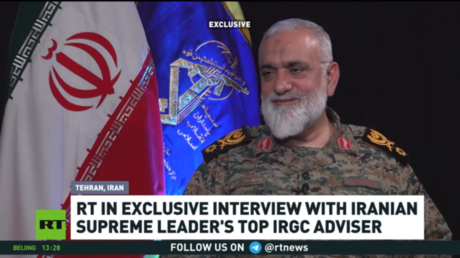
Tehran has shown little inclination to bow to mounting pressure. Senior Iranian officials dismissed the expiration of the negotiating timeline, warning that any failure by Washington to respect prior diplomatic understandings would trigger a precise military response to break the naval blockade. Iranian leadership continues to characterize American terms as an unacceptable infringement on sovereignty, rejecting calls for capitulation.
Oman has maintained a traditional role as a diplomatic bridge between Western powers and Tehran, leveraging its neutrality to prevent total regional isolation. However, Washington's rising intolerance for independent mediation threatens to sideline traditional diplomatic channels. By demanding absolute alignment and threatening military repercussions against a historic Gulf partner, the White House has narrowed the path for negotiated settlements.
The standoff in the Persian Gulf highlights the limits of coercive diplomacy when vital economic interests collide with entrenched national security red lines. As shipping companies weigh the severe dangers of navigating contested waters, the risk of accidental escalation in the Strait of Hormuz grows daily. With diplomacy stalled and military postures hardening across all fronts, the region edges closer to a permanent disruption of maritime trade.