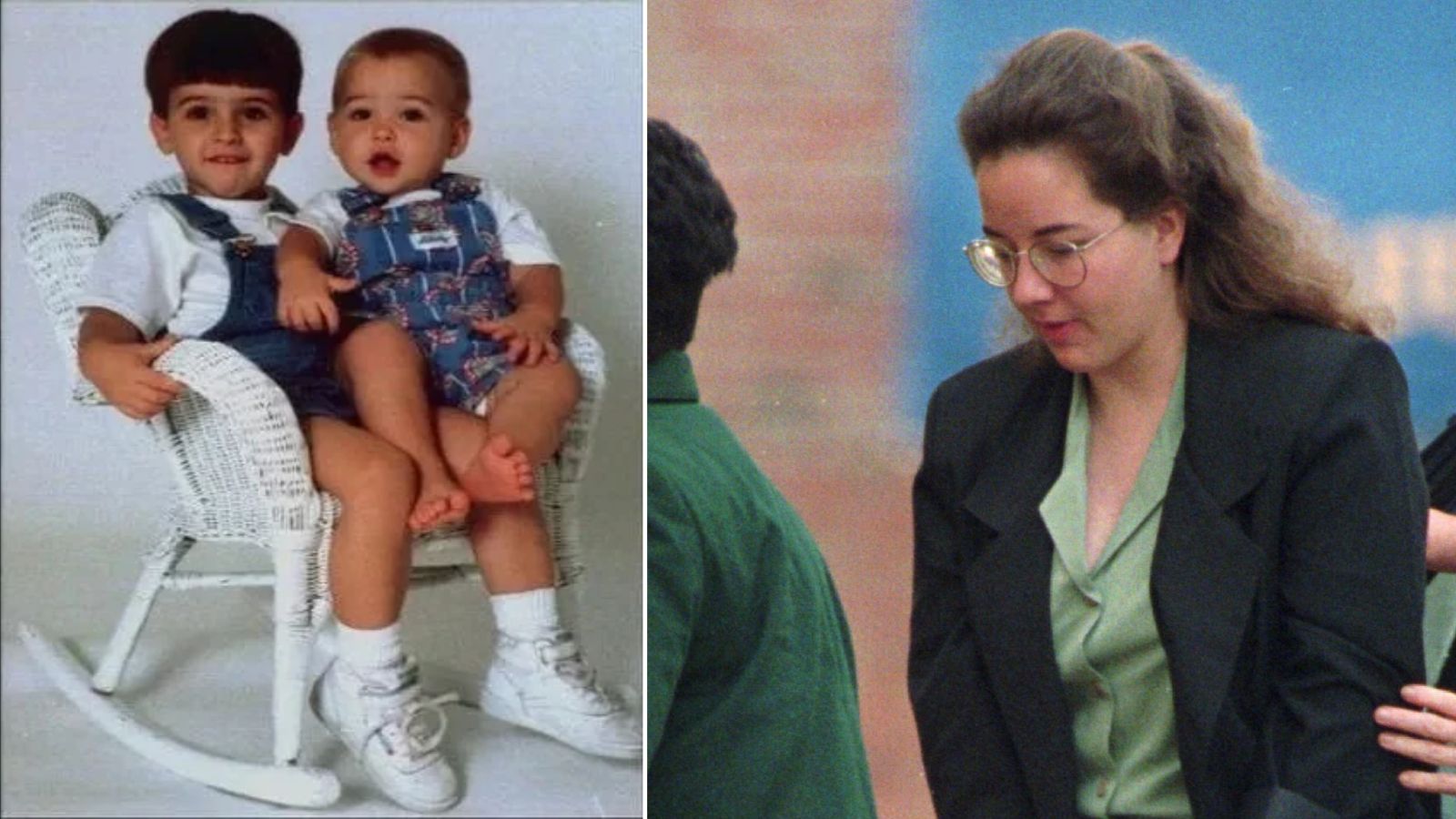
In October 1994, Susan Smith strapped her two young sons into the backseat of her Mazda Protegé and let the vehicle roll into John D. Long Lake in Union, South Carolina, drowning three-year-old Michael and fourteen-month-old Alex. For nine days, she fabricated a story about a Black carjacker before confessing to the murders, receiving a life sentence with the possibility of parole after thirty years. Yet the horror of the crime is only half the story. Over the next three decades behind bars, Smith accumulated dozens of disciplinary infractions, including illegal sexual relationships with correctional officers, revealing a profound institutional breakdown inside the South Carolina Department of Corrections.
Sensational headlines often reduce the Susan Smith case to tabloid fodder, focusing on the lurid details of her prison misconduct while ignoring the structural decay that allowed it to happen. When a high-profile inmate convicted of filicide repeatedly violates prison rules, engages in sexual misconduct with staff, and maintains access to contraband, the failure belongs to the state as much as the prisoner. Understanding how Smith operated inside the penal system requires looking past the shock value and examining the mechanics of correctional oversight, psychological manipulation, and institutional negligence.
The Anatomy of a Nine-Day Deception
Before Susan Smith ever entered a prison cell, she demonstrated a chilling capacity for sustained manipulation under intense public scrutiny. Between October 25 and November 3, 1994, Smith appeared on national television networks, weeping and pleading for the safe return of her children. She gave detailed descriptions of a fictitious assailant to sketch artists and local investigators, triggering a massive manhunt across South Carolina and surrounding states.
Law enforcement officials quickly noticed inconsistencies in her account. The traffic light where she claimed the carjacking occurred operated on a sensor system that would not have turned red without cross-traffic present, contradicting her timeline of events. Investigators also uncovered a letter from Tom Findlay, the wealthy son of Smith's employer, ending their romantic relationship because he did not want the responsibility of raising children. That rejection served as the primary catalyst for the murders.
Sheriff Howard Wells eventually confronted Smith with the discrepancies in her story, leading to her written confession. During her July 1995 trial, defense attorneys David Bruck and Judy Clarke presented evidence of Smith's severe childhood trauma, including her father's suicide and years of sexual abuse by her stepfather, Beverly Russell, a prominent local figure. The jury convicted her of two counts of murder but rejected the death penalty, sentencing her to life imprisonment with parole eligibility in November 2024.
Systemic Vulnerabilities Inside Women's Prisons
The behavioral patterns Smith exhibited during those nine days in 1994 did not vanish when the cell doors closed at the Women's Correctional Institution in Columbia, South Carolina. Instead, they merged with a correctional environment plagued by chronic understaffing, low pay, and inadequate supervision. Within five years of her conviction, Smith's prison file began documenting serious breaches of security that implicated the very officers tasked with guarding her.
In 2000, correctional officer Houston Cagle pleaded guilty to having sexual relations with Smith inside the Columbia facility. Under South Carolina law, inmates cannot legally consent to sexual contact with prison staff, making any such encounter a felony offense regardless of who initiated it. Cagle received a three-month prison sentence and was fired from his post.
Less than a year later, a second officer, Captain Alfred Rowe Jr., was indicted for having sex with Smith on multiple occasions. Rowe, a veteran supervisor, also pleaded guilty and received five years of probation. The incidents forced the South Carolina Department of Corrections to transfer Smith to the Leath Correctional Institution in Greenwood, an attempt to isolate her from staff networks she had compromised.
The problem was never unique to one inmate. Female correctional facilities across the United States face disproportionate rates of staff-on-inmate sexual misconduct, driven by extreme power imbalances and weak internal auditing. When veteran supervisors like Rowe violate basic custodial boundaries, it signals a breakdown in chain-of-command accountability rather than an isolated lapse in judgment.
The Contraband Economy and Disciplinary Record
Transferring Smith to Leath Correctional Institution failed to curb her behavioral infractions. Over the following two decades, her disciplinary record grew to encompass more than a dozen violations, painting a picture of an inmate who consistently bypassed institutional controls.
- Narcotics Possession: In 2010, prison officials disciplined Smith for possessing marijuana and prescription pills, resulting in the loss of visitation privileges and canteen access.
- Self-Harm and Contraband: In 2015, she was cited for self-mutilation and possession of contraband items, triggering temporary placement in administrative segregation.
- Unauthorized Communications: Years later, investigators discovered Smith had been using illicit communication channels to correspond with outside men, soliciting money and maintaining romantic relationships from behind bars.
Each infraction exposed gaps in facility security. Drugs and unauthorized communication devices do not materialize inside maximum-security wings on their own; they enter through compromised visitors, negligent screening protocols, or complicit staff members. Smith's ability to acquire contraband repeatedly suggests that facility leadership struggled to enforce baseline security standards even for their most notorious prisoner.
The Psychological Mechanics of Predatory Compliance
To understand how an inmate repeatedly compromises trained officers, analysts look at predatory compliance—a behavioral strategy where incarcerated individuals study staff vulnerabilities and offer emotional validation, secrecy, or sexual favors in exchange for protection, status, or contraband.
Correctional officers working in underfunded state systems often endure twelve-hour shifts, mandatory overtime, and high rates of burnout. Supervisory oversight on night and weekend shifts frequently drops to skeleton crews. In these isolated environments, prolonged proximity creates an artificial sense of intimacy. Inmates with histories of complex trauma and manipulative attachment styles—traits documented extensively during Smith's 1995 mitigation hearings—often possess an acute ability to read emotional insecurity in authority figures.
None of this excuses the officers who broke the law. Cagle and Rowe held absolute legal and institutional authority over Smith. By crossing that boundary, they compromised facility security, undermined the safety of every other officer on duty, and demonstrated how easily personal vulnerability turns into a systemic security breach when oversight fails.
The 2024 Parole Hearing and Public Accountability
In November 2024, thirty years after the murders in Union County, Susan Smith appeared via video link before the South Carolina Board of Paroles and Pardons. Under state law in effect at the time of her sentencing, inmates serving life sentences for murder were eligible for parole consideration after three decades, with subsequent hearings every two years if denied.
During the hearing, Smith wept and asked for forgiveness, claiming she had changed and found remorse during her decades in prison. Her ex-husband, David Smith, testified against her release, joined by prosecutors and community members from Union County who recalled the nine-day search and the devastation inflicted on the community.
The parole board weighed more than just the 1994 crime. Board members directly questioned Smith about her extensive prison disciplinary record, including the sexual misconduct incidents with guards, drug infractions, and recent violations involving unauthorized communications with men outside the prison who had sent her money. Her institutional record contradicted her narrative of rehabilitation. The board voted unanimously to deny parole.
What Prison Reformers and Critics Miss
Coverage of the Susan Smith saga typically splits into two predictable camps. Retributive commentators point to her prison infractions as proof of irredeemable character, while prison reform advocates focus broadly on systemic trauma and the harshness of long-term incarceration. Both perspectives miss the operational reality of state corrections.
A correctional system cannot claim to rehabilitate offenders or protect the public if it cannot maintain basic professional boundaries within its own walls. When an inmate serving a life sentence for double murder successfully engages in felony sexual misconduct with two different officers—including a captain—and continues accumulating contraband violations decades later, the institution itself has failed its core mandate.
State legislatures routinely pass tough-on-crime sentencing laws while starving departments of corrections of the funding required to hire qualified staff, conduct rigorous background checks, and install modern surveillance infrastructure. Low starting salaries lead to chronic vacancies, forcing administrators to retain underqualified personnel and cut corners on internal investigations. Until states address the operational rot inside their prison facilities, high-profile inmates will continue exploiting the cracks in the system, turning places of accountability into theaters of institutional failure.