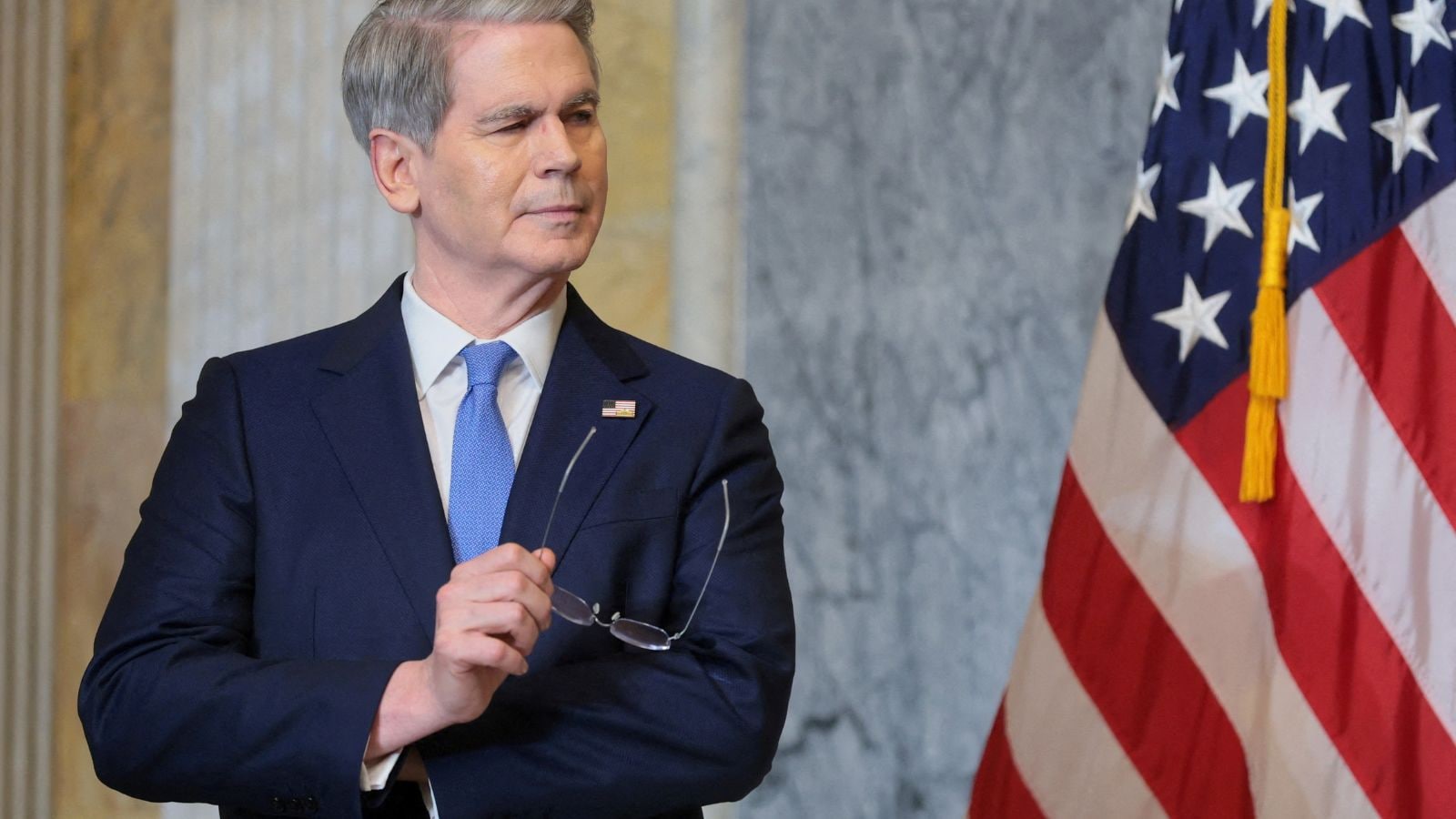
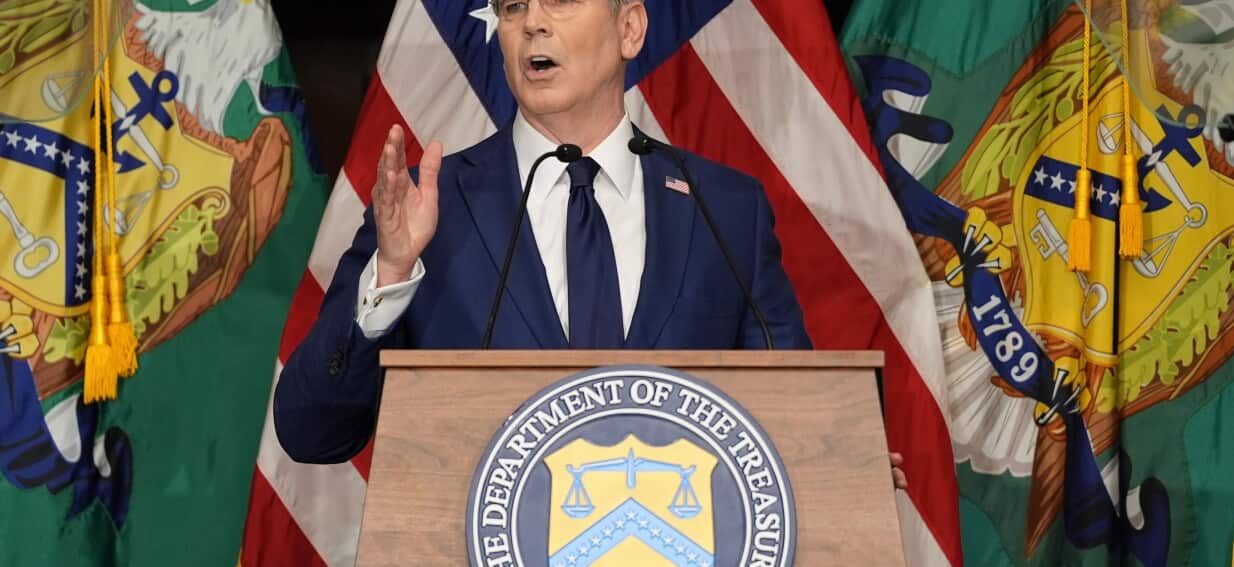
The United States Treasury Department operates behind heavily fortified limestone facades on Pennsylvania Avenue, yet its weapons reach deep into the dark corners of global maritime trade, underground hawala networks, and shell company registries from Dubai to Hong Kong. When the Treasury chief steps behind a podium to pledge the destruction of every financial lifeline feeding Tehran, the rhetoric sounds familiar. This script has played out across multiple presidential administrations, marked by soaring promises of maximum pressure and absolute economic isolation.
Behind the public declarations, however, a vastly more complicated war of attrition unfolds. This conflict relies less on dramatic public announcements and more on the tedious, relentless tracking of illicit ledgers, front corporations, and deceptive shipping practices that allow Tehran to monetize its petroleum despite sweeping embargoes.
Understanding this strategy requires looking past the political soundbites to examine the actual plumbing of modern financial warfare.
The Anatomy of Modern Financial Interdiction
Sanctions enforcement is rarely about simple bans anymore. It is an exercise in financial plumbing. When Washington targets a regime like Iran, the objective is to sever access to the U.S. dollar clearing system, which remains the beating heart of international commerce. Without access to correspondent banking networks that process dollar transactions, any nation attempting to buy or sell commodities on the global market faces immense friction.
The mechanics rely heavily on secondary sanctions. These measures threaten non-U.S. banks and corporations with total exclusion from American markets if they knowingly process transactions for blacklisted Iranian entities. This creates a powerful chilling effect. Compliance departments inside major European and Asian financial institutions suddenly find that doing business with a marginal petrochemical firm in the Middle East carries far more legal risk than the profit is worth.
Yet, prohibition breeds evasion. The moment the Treasury shuts down one channel, intermediaries adapt.
Shippers engage in dark activity, turning off automatic identification system transponders while navigating the Persian Gulf. Crude oil is transferred from one tanker to another in the dead of night, a practice known as ship-to-ship transfers, masking the true origin of the cargo. Once at sea, bills of lading are doctored. The crude becomes Malaysian, Iraqi, or simply unbranded oil destined for independent refineries in East Asia that care little about Western geopolitical objectives as long as the discount remains steep.
The Shadow Economy and the Limits of Enforcement
Sanctions leak. They leak because global trade is too vast, too decentralized, and too motivated by profit for any single government to police entirely.
Consider the role of shadow banking networks. Traditional banks are easy to monitor because they rely on SWIFT and transparent correspondent accounts. But Iran and its proxies circumvent this by utilizing informal value transfer systems, network nodes of brokers, and front companies registered in jurisdictions with lax regulatory oversight. Money moves not through wire transfers, but through offsetting trade debts, cryptocurrency experiments, and physical cash couriers.
The Treasury Department knows this. Bureaucrats in the Office of Foreign Assets Control sift through mountains of corporate registry data, tracking the ownership trails of single-purpose limited liability companies formed in free-trade zones. These entities often exist on paper alone, operating out of a mailbox in an offshore tax haven while managing fleets of aging oil tankers.
Targeting these networks is a game of architectural whack-a-mole. You designate a front company in Istanbul; three days later, two new ones open in Sharjah under different names with entirely nominal directors.
Furthermore, geopolitical realities complicate the enforcement ledger. The United States cannot unilaterally force sovereign nations to abandon energy security or cheap commodities. When a major industrial economy requires discounted energy inputs to sustain its manufacturing base, political pressure from Washington meets the unyielding wall of national self-interest. Enforcement becomes a matter of diplomatic negotiation, quiet warnings, and strategic exemptions rather than absolute, total eradication of every economic lifeline.
The Domestic Cost and Strategic Paradox
Economic warfare carries internal contradictions. Every turn of the sanctions screw imposes costs that extend beyond the targeted regime, rippling through global commodity markets and affecting ordinary citizens who bear the brunt of hyperinflation and currency collapse inside Iran.
When a central bank is cut off from international reserves, the value of the domestic currency plummets. Basic goods, imported medicines, and foodstuffs become luxury items. The regime's political elite, entrenched in military-industrial conglomerates and parastatal foundations, often find ways to insulate themselves through black-market monopolies, while the middle class watches their life savings evaporate.
Critics of maximum pressure argue that this dynamic achieves the opposite of its stated intent. Instead of sparking a popular uprising or forcing capitulation at the negotiating table, severe economic isolation can drive a targeted government further into autarky. Cut off from legitimate trade, the state doubles down on illicit enterprises, expanding corruption and strengthening the hand of security apparatuses that control the smuggling routes.
The Treasury chief understands these criticisms, even if public briefings rarely acknowledge them. The mandate is not to solve the geopolitical puzzle of the Middle East with a single stroke. The mandate is to use the unparalleled leverage of the American financial system to raise the cost of malign behavior until the math no longer works for the adversary.
Success is rarely absolute. It is measured in fractions of a percent, in delayed shipments, in higher insurance premiums for rogue vessels, and in the constant, exhausting scramble of a regime trying to find just enough hard currency to keep its machinery running.
The economic lifeline is never truly cut entirely. It is merely frayed, squeezed, and forced underground, where the cost of survival grows higher with every transaction.