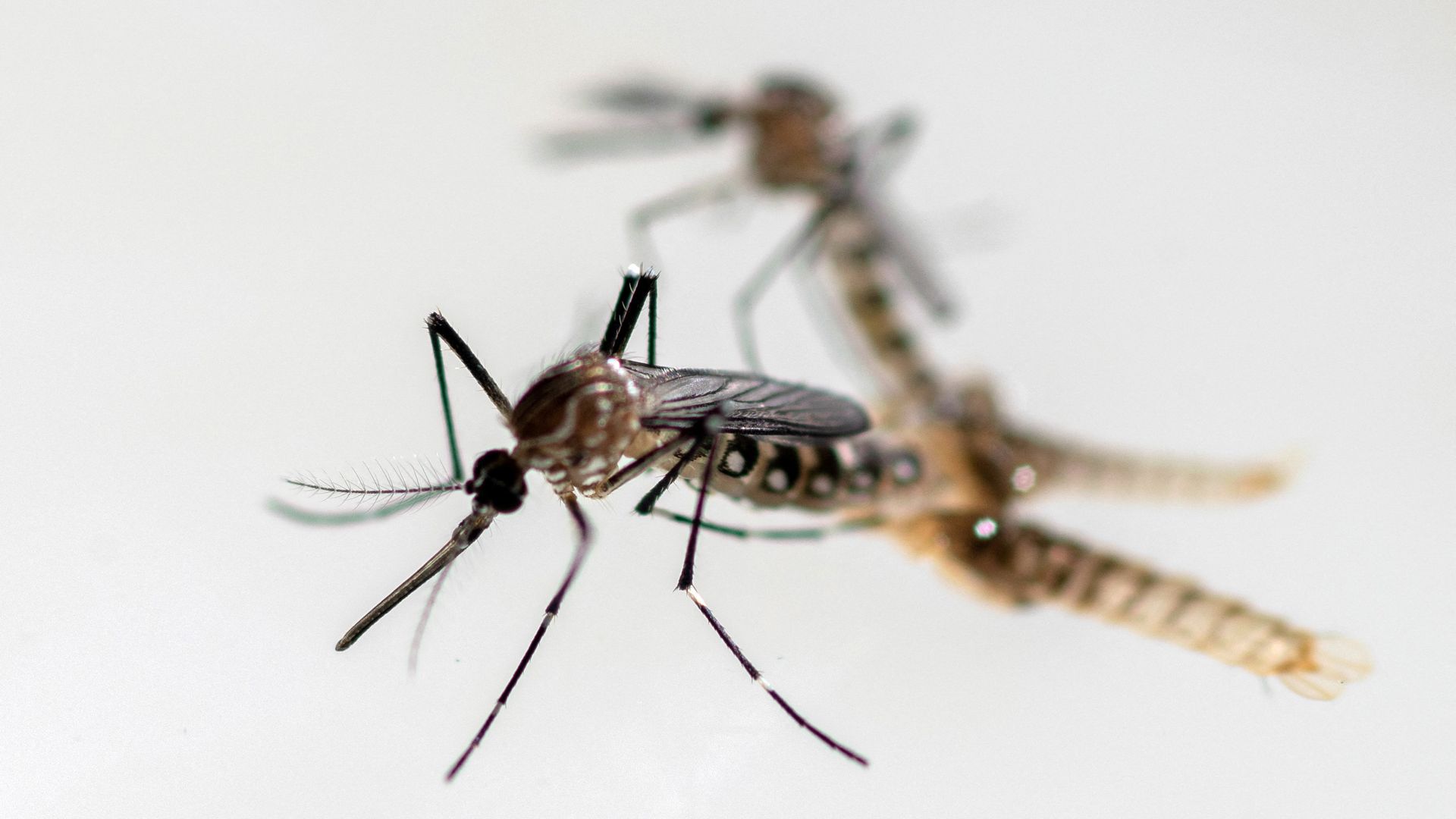
Exotic mosquitoes capable of transmitting dengue, chikungunya, and Zika viruses are no longer a distant tropical concern confined to travel brochures or foreign health advisories. These vectors have crossed natural barriers, hitchhiking in cargo, used tires, and ornamental plants to establish breeding populations across parts of Europe, with increasing footprints creeping northward toward the United Kingdom. Public health authorities prefer cautious language. They call it surveillance. They label it an emerging risk. But for anyone tracking the intersection of global trade, vector biology, and shifting weather patterns, the reality is stark. The borders that once protected temperate zones from tropical vector-borne diseases are eroding.
This is not a sudden catastrophe driven by a single cinematic moment. It is the slow, grinding product of commerce and climate adaptation. To understand how mosquitoes capable of hosting devastating pathogens find a foothold in colder latitudes, you have to look at the mundane machinery of globalization. International shipping containers, long-distance freight trucks, and the multi-billion-dollar global trade in used tires provide climate-controlled nurseries and protected transit routes for resilient insect eggs. These eggs possess a biological superpower called diapause, allowing them to desiccate, wait out freezing temperatures, and hatch the moment water and warmth return.
The Vector Biology Behind the Migration
For decades, standard epidemiological models assumed that species like Aedes albopictus—the Asian tiger mosquito—would find the United Kingdom too cold, too wet, or simply inhospitable. Those models were built on outdated climatic thresholds.
The Asian tiger mosquito and its close relatives are remarkably adaptable. Unlike native culicidae that prefer quiet woodlands or remote marshes, these invasive vectors thrive in urban and suburban environments. They do not need sprawling wetlands to multiply. A discarded plastic cup, a clogged gutter, a saucer beneath a potted plant on a London balcony, or the stagnant water inside a used tire left at an industrial depot provides an ideal nursery.
When these mosquitoes feed, they do so aggressively during daylight hours, distinguishing them from domestic mosquitoes that tend to hunt at dusk and dawn. This daytime biting habit dramatically increases the frequency of human contact. If an infected traveler returns to a non-endemic region carrying a virus like dengue, and a local invasive vector bites that individual, the transmission cycle can theoretically spin up right in a backyard or a municipal park.
Municipal vector control teams face an uphill battle because traditional surveillance methods are reactive rather than proactive. By the time a resident reports an itchy, aggressive daytime bite or a local cluster of symptoms appears, generations of the insect may have already cycled through the neighborhood.
Trade Routes and Climate Realities
Global supply chains are fundamentally porous. Every year, millions of tons of goods move through maritime ports and distribution hubs, carrying unintended biological cargo. The used tire trade is a primary culprit. Tires are dark, retain moisture, and are frequently stored outdoors in massive stacks, creating an international transit system designed perfectly for mosquito survival.
Layered on top of trade is the undeniable shift in European climate averages. Milder winters mean fewer frost days to naturally cull overwintering insect populations. Extended summers provide a longer window for reproduction, accelerating the number of generations a single season can produce.
What makes this situation uniquely challenging for British health infrastructure is the lack of institutional muscle memory. Countries in southern Europe have dealt with Aedes species for years, establishing protocols for public education, larvicide deployment, and rapid response mapping. In northern Europe, public awareness remains low. People do not expect to encounter tropical disease vectors while gardening in Surrey or walking through an industrial estate in the Midlands. That cognitive gap is dangerous. When communities do not perceive a threat, they fail to take basic mitigation steps, such as eliminating standing water or reporting unusual insect activity to environmental health officers.
Economic and Healthcare Pressures
The financial implications of establishing invasive mosquito populations extend far beyond immediate clinical care. When vector-borne diseases take root, the economic drag hits multiple sectors simultaneously.
Healthcare systems accustomed to treating seasonal influenza or chronic conditions must suddenly retrain staff to recognize clinical presentations of dengue, chikungunya, and Zika. Diagnostic tests for these pathogens are often centralized, expensive, and slow to yield results in regions where clinicians rarely encounter them. Misdiagnoses delay treatment, prolong suffering, and complicate epidemiological tracking.
Simultaneously, the tourism and hospitality industries face reputational risks if localized transmission events gain media traction. Public anxiety can suppress travel and outdoor commerce, forcing municipal governments into costly eradication campaigns. Spraying chemical controls or releasing sterile male insects requires substantial funding, long-term political commitment, and public consent—all of which are difficult to secure for a threat that many citizens still dismiss as an alarmist media narrative.
Public health agencies must shift from passive monitoring to aggressive, localized interception. This requires coordinated border inspections on high-risk freight, mandatory treatment of imported container shipments, and robust citizen-science programs that enlist the public in trapping and reporting invasive species before they reach critical mass.
The mosquitoes are already here, testing the resilience of ecosystems and public health frameworks that were never designed for an interconnected, warming world. Ignoring the early signs will only make the inevitable confrontation harder to manage.