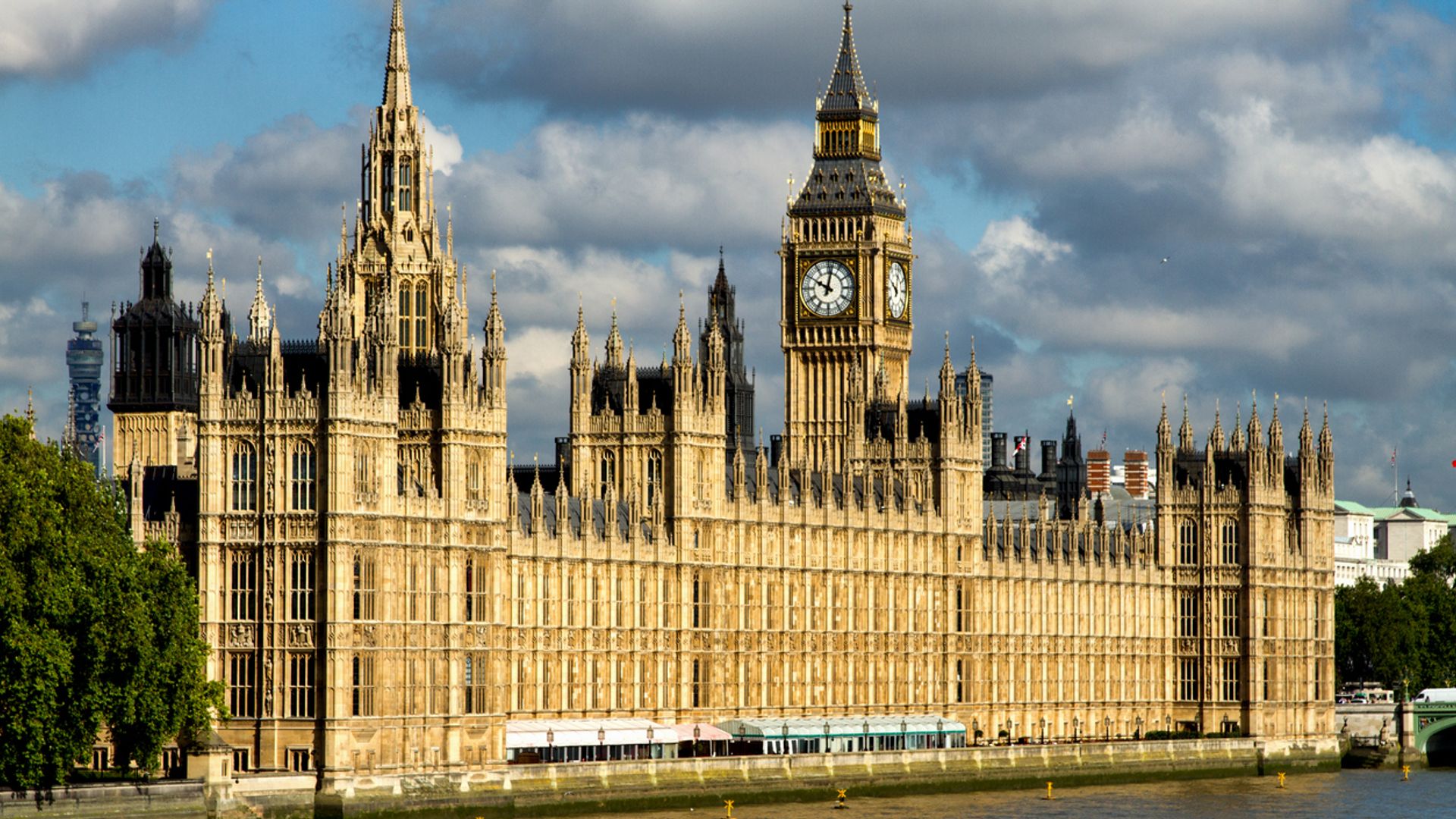
The Palace of Westminster is falling apart faster than maintenance crews can patch it. Engineers, parliamentary committees, and safety inspectors have repeatedly warned that without an immediate, comprehensive restoration, the seat of British democracy faces a catastrophic failure—ranging from a major electrical fire to the collapse of ancient stonework or complete mechanical breakdown. Yet, after years of parliamentary debate, the actual work remains stalled by political paralysis, ballooning cost estimates, and a fundamental disagreement over whether lawmakers must move out while builders move in.
To understand why one of the world’s most recognizable buildings is in such precarious condition, you have to look beneath the Gothic Revival facade designed by Charles Barry and Augustus Pugin in the mid-19th century. Behind the oak paneling and gilded ceilings lies a labyrinth of Victorian infrastructure that was never meant to survive into the twenty-first century.
The Hidden Decay Behind the Stonework
Most visitors see Big Ben and the sprawling riverside terrace and assume the building is solid. It is not.
The Palace sits on marshy ground beside the River Thames, a geographic reality that has plagued the site for centuries. Moisture continuously seeps into the subterranean levels, accelerating the degradation of ironwork and masonry. Beneath the floorboards runs a sprawling network of steam pipes, water mains, drainage lines, and electrical cables that have been layered on top of one another since the 1840s. Many of these systems cross paths in narrow, unventilated voids where modern safety inspections are nearly impossible to conduct without tearing down historic walls.
Asbestos is everywhere. Used extensively during post-World War II reconstruction to insulate pipes and fireproof structures, the material now complicates even the most basic maintenance task. A technician cannot simply drill a hole to fix a leaking pipe or replace a frayed wire without triggering a complex, hazardous-material containment protocol.
Then there is the fire risk. Because the building’s vertical shafts and horizontal ducts were originally designed for a Victorian natural-ventilation system, they act like giant chimneys. If a fire breaks out in the basement, smoke and flames can travel rapidly through hidden voids straight into the upper chambers, bypassing standard fire doors. To mitigate this, Parliament currently relies on round-the-clock fire wardens—teams of people literally walking the corridors 24 hours a day, seven days a week, looking for smoke. That is not a modern fire-suppression strategy. That is a stopgap measure born of desperation.
The Cost of Doing Nothing
Patching a building of this scale while it remains fully operational is an exercise in diminishing returns. Every night, when members of Parliament and peers go home, small armies of contractors enter the estate to carry out emergency repairs. They have only a few hours before the building must be cleaned, secured, and reopened for morning committee meetings.
This stop-start approach drives costs through the roof while achieving very little structural progress. According to parliamentary spending watchdogs, routine maintenance and emergency patches cost taxpayers millions of pounds every single year, yet the overall backlog of essential repairs continues to grow. Stonework continues to crumble from the exterior walls, forcing the installation of protective netting and scaffolding that has become a permanent feature of the London skyline. Heating systems fail unpredictably, leaving offices freezing in winter and sweltering in summer. Sewage pipes occasionally back up.
The longer politicians delay a full-scale intervention, the higher the final bill climbs. Construction inflation, specialized labor shortages, and the ongoing deterioration of the fabric mean that waiting a decade does not save money—it guarantees that the eventual project will be vastly more expensive and technically difficult.
Why Politicians Keep Kicking the Can Down the Road
If the engineering consensus is overwhelming, why has construction not started in earnest? The answer comes down to political survival and optics.
No prime minister or chancellor wants to sign off on a multi-billion-pound check to refurbish the workplace of politicians while ordinary citizens are grappling with the cost of living, strained healthcare services, and underfunded schools. Even though the Palace of Westminster is a UNESCO World Heritage site and a global symbol of democratic governance, spending public money on Parliament looks terrible in the press. MPs know this. Consequently, successive governments have treated the Restoration and Renewal program like a political hot potato, commissioning new reviews and feasibility studies rather than authorizing bulldozers.
There is also deep institutional resistance to leaving the building. In 2018, both the House of Commons and the House of Lords voted in favor of a "full decant"—moving all parliamentary business to temporary venues nearby so builders could strip out and rebuild the Palace safely and efficiently. That consensus quickly unraveled.
Many MPs fear that once they leave the historic chamber, they might never return, or that the unique traditions and confrontational debating style of the Commons would be lost in a modern temporary hall. Others worry that relocating Parliament outside London, even temporarily, would disrupt government operations, since ministers need to shuttle constantly between Whitehall departments and the Commons chamber.
The False Economy of Staying Put
Opponents of moving out have pushed for a "continued presence" option, arguing that builders should work around sitting politicians, tackling one section of the building at a time over several decades. On paper, it sounds like a sensible compromise. In reality, engineers and project managers have repeatedly warned that it is the worst of all worlds.
Working inside an occupied, high-security legislature introduces massive logistical bottlenecks. Builders would face strict noise restrictions whenever debates or votes are taking place. Security screening for thousands of construction workers entering an active parliamentary estate would eat up hours of productivity every day. Furthermore, isolating active construction zones—complete with asbestos removal and heavy demolition—from adjacent offices filled with staff and lawmakers poses severe health and safety risks.
A partial, rolling refurbishment would take decades longer to complete than a full decant, dramatically inflating labor and management costs. Worse still, during those decades of piecemeal work, the unrenovated sections of the Palace would remain vulnerable to the exact catastrophic failure the project is meant to prevent.
Lessons From Other Historic Parliaments
Britain is hardly the first country to face the challenge of modernizing an aging, iconic legislature. Other democracies have confronted similar dilemmas, and their experiences offer a stark warning about the cost of indecision.
In Canada, the Centre Block on Parliament Hill in Ottawa closed its doors in 2019 for a massive rehabilitation project. Built in the early 20th century, the building suffered from crumbling masonry, outdated electrical systems, and ubiquitous asbestos. Canadian officials recognized early on that attempting to renovate while Parliament remained in session was unfeasible. They constructed temporary chambers in adjacent buildings and handed the entire Centre Block over to engineers. Even with an empty building, the project is expected to take over a decade and cost billions of Canadian dollars—demonstrating just how complex heritage restoration becomes once walls are opened up.
Austria took a similar approach with its historic Parliament building in Vienna. Facing severe structural wear and outdated technical infrastructure, Austrian lawmakers relocated to temporary pavilions for more than five years while the 19th-century edifice was gutted, modernized, and restored. The move was controversial and expensive, yet it allowed engineers to strip out hazardous materials, install modern fire-safety systems, and upgrade accessibility without risking the safety of legislators or stretching the timeline out to thirty years.
By contrast, when governments try to cut corners on historic infrastructure, history shows how quickly things can go wrong. The 2019 fire at Notre-Dame Cathedral in Paris—while a religious monument rather than a legislature—served as a sobering global reminder of what happens when aging timber, complex roofs, and ongoing renovation work intersect without absolute, uncompromising safety controls. Even closer to home, the 2018 fire that gutted the Glasgow School of Art for a second time during its restoration underscored how vulnerable historic buildings become when major structural work drags on.
What a Real Fix Actually Requires
Resolving the Westminster crisis requires breaking the cycle of endless re-evaluations and committing to an engineering-led solution rather than a politically convenient one.
First, governance of the project must be insulated from short-term political interference. Over the past decade, the organizational structure overseeing the restoration has been disbanded, restructured, and rebranded multiple times as different parliamentary factions fought for control. Major infrastructure projects fail when the client keeps changing the brief. Once a plan is approved, an independent delivery authority needs the statutory power and multi-year funding certainty to execute it without MPs second-guessing every procurement decision.
Second, Parliament must confront the reality of temporary relocation. While a full decant carries a steep upfront price tag—estimates for the overall restoration have ranged anywhere from £7 billion to well over £13 billion depending on the scope and timeline—it remains the fastest, safest way to strip out the Victorian basement, remove the asbestos, and rewire the estate. Temporary chambers in nearby Whitehall buildings, such as Richmond House or the Queen Elizabeth II Centre, can keep lawmakers within walking distance of government ministries while giving contractors unobstructed access to the Palace.
Third, transparency around costs needs to improve dramatically. Part of the public anger over the restoration stems from suspicion that money will be wasted on luxury upgrades for politicians—champagne bars, plush offices, and vanity projects. Project leaders must draw a hard, visible line between essential safety, heritage conservation, and accessibility work on one hand, and non-essential perks on the other. Every pound spent needs to be tied clearly to keeping a world heritage monument standing and functional for the next century.
The Palace of Westminster burned down once before, in October 1834, when workers carelessly burned old wooden tally sticks in the basement furnaces, igniting the paneling above. That disaster led to the construction of the very building currently under threat. Nearly two hundred years later, the danger is no longer an overheated furnace, but institutional inertia—the quiet, steady decay of wiring, pipes, and stone while lawmakers debate the optics of fixing the roof over their own heads. Either Parliament schedules the disruption on its own terms, or physics and time will eventually schedule it for them.