Every desk jockey with a Wi-Fi connection lost their minds this week over a viral social media post. The Iranian embassy in Sierra Leone dropped a thirty-five-second animation overlaying a Minesweeper grid onto the Strait of Hormuz, taunting Washington with a breezy, meme-ready slogan. Mainstream outlets treated it like a geopolitical mic drop. Commentators hyperventilated about asymmetrical psychological warfare and how Tehran was winning the internet.
They fell for it. Every single one of them. Meanwhile, you can find other events here: Stop Pretending Journalisms Death Is Someone Elses Fault.
The lazy consensus is that this animation represents clever, high-IQ trolling that rattles American command structures. It frames the standoff as a digital-age duel where a cheeky GIF can sting a superpower. Strip away the internet brain rot, however, and a much colder, more cynical reality emerges. When a state apparatus resorts to retro Windows puzzle games to make a strategic point, it is not projecting strength. It is signaling a desperate pivot from kinetic failure to narrative management.
The Asymmetry Fallacy
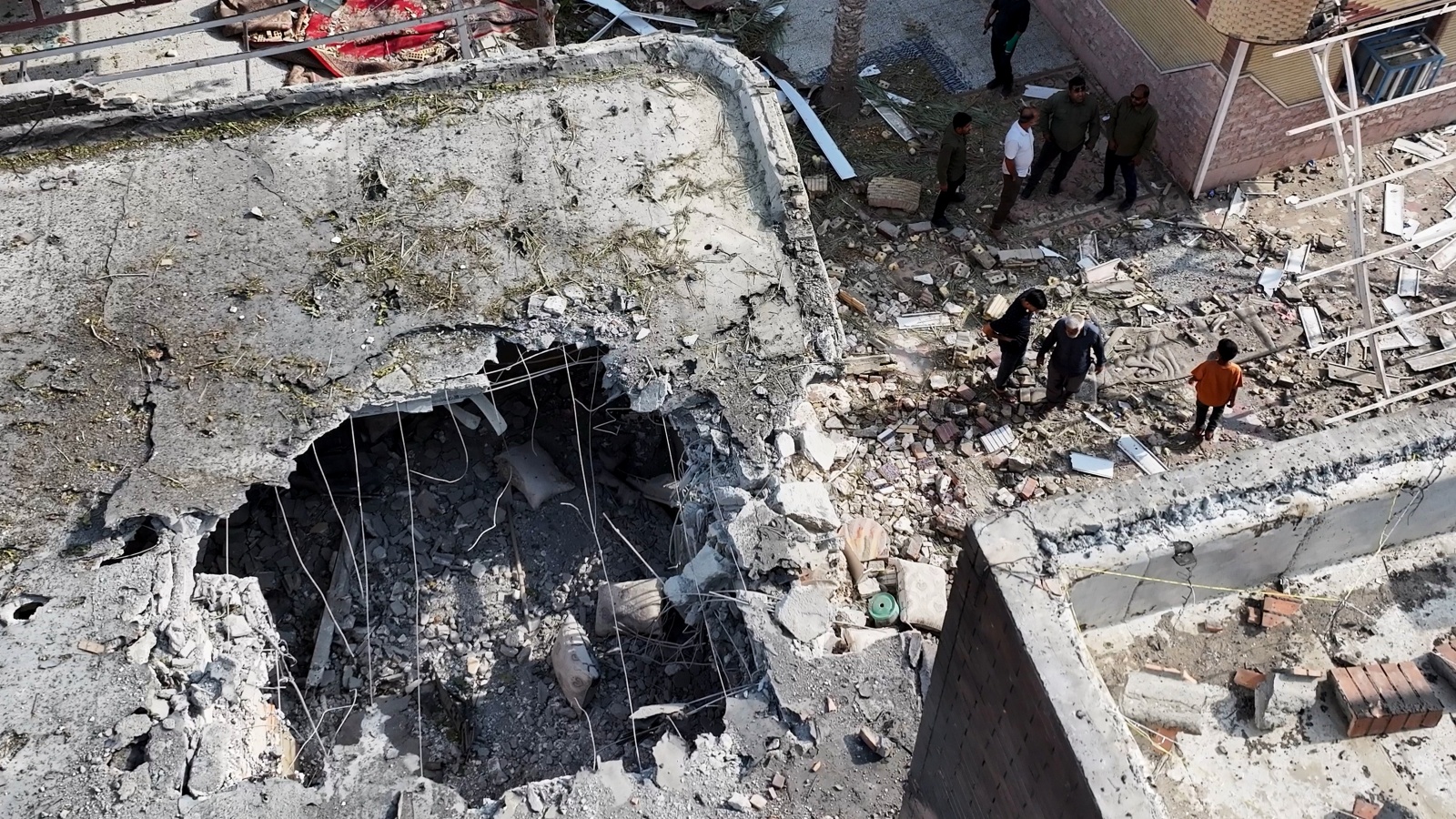
Let us look at the mechanics of what is actually happening in the Persian Gulf, past the colorful graphics. Washington did not lose sleep over a cartoon grid. United States Central Command spent the preceding days systematically blowing up rocket launchers on Larak Island, neutralizing radar arrays, and scrubbing mine-laying infrastructure. To see the complete picture, check out the excellent report by The Washington Post.
Commentators love to parrot the line that sea mines are the ultimate equalizer—cheap, effective, and terrifyingly difficult to clear. True on paper, utterly naive in practice. Modern naval mine countermeasures have evolved far past dragging a mechanical cutter behind a wooden minesweeper hull. Autonomous underwater vehicles, side-scan sonar arrays, and specialized naval special warfare units make short work of stationary explosives.
When a military power has to rely on a social media account in West Africa to mock an adversary whose strike groups have just flattened its launch sites, the asymmetry is not working in the favor of the satirist. It means the physical leverage has evaporated, leaving only the digital theater.
Imagine a scenario where a corporate competitor is actively dismantling your physical supply chain, seizing your distribution nodes, and locking down your primary markets, while your response is to tweet an edited meme of a retro video game. Boardrooms would fire the marketing director on the spot. Yet in international relations, because the graphics are shiny, analysts mistake a desperate PR distraction for a masterstroke.
The Real Cost of the Hormuz Chokepoint
The actual economics of the Strait of Hormuz are routinely misunderstood by pundits who think a single chokepoint gives local actors permanent economic veto power. Energy markets are far more resilient and adaptive than headline writers give them credit for.
When tanker traffic faces genuine friction, routing shifts, insurance premiums adjust, and strategic petroleum reserves absorb the shock. The idea that a few hidden acoustic or magnetic mines can permanently hold global commerce hostage ignores decades of naval doctrine designed explicitly to counter this exact threat. The U.S. Navy maintains an institutional muscle memory for keeping maritime bottlenecks open that dates back through generations of conflict.
Tehran knows this. The leadership inside Iran is not operating under the illusion that a grid of virtual flags and digital bombs will stop an aircraft carrier strike group. The target audience of the Minesweeper post was never Washington. It was domestic and regional optics—an attempt to salvage pride after a brutal round of kinetic exchanges that saw ballistic missiles intercepted and military installations turned to ash.
Dissecting the Information War
We are witnessing the weaponization of low-effort irony. State actors have learned that Western media cannot resist a quirky hook. Wrap a tense, violent military escalation in a nostalgic 1990s aesthetic, and the algorithms do the rest. The narrative shifts from actual bomb damage and strategic setbacks to the witty framing of the response.
This is a dangerous trap. It sanitizes conflict. It turns a deadly exchange of ballistic missiles and air defense suppressions into an arcade match. When journalists analyze a geopolitical crisis through the lens of who "won the timeline," policy decisions get warped by digital applause.
Stop treating state-sponsored meme campaigns as strategic intelligence. Look past the animated grids and check the inventory of what is actually being destroyed on the ground. The side that has to hide behind a computer puzzle game to answer a kinetic strike has already lost the argument where it counts.