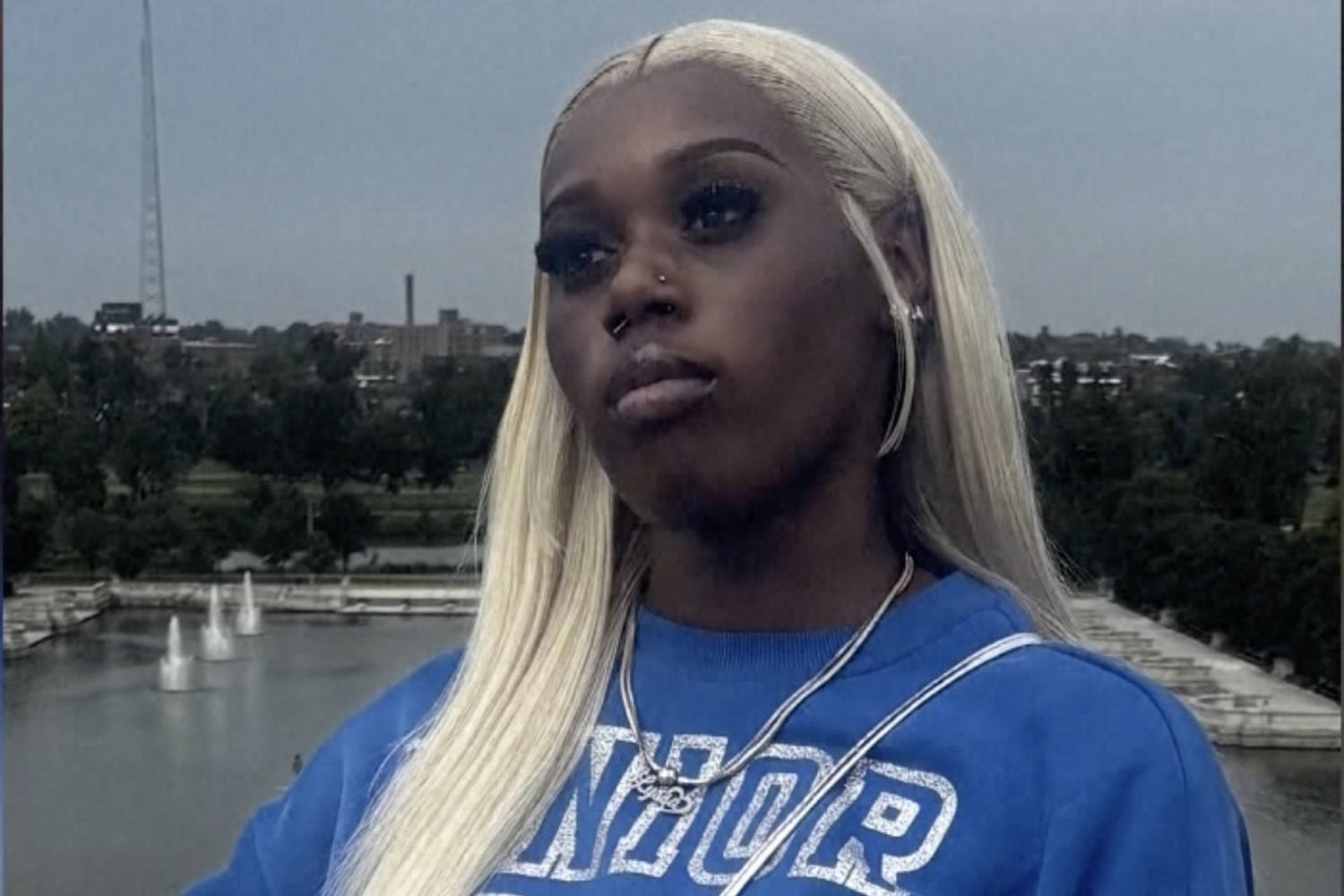
A 17-year-old high school senior was driving south on Interstate 170 toward a Halloween event at the Saint Louis Zoo when a single gunshot ended her life. She was 60 days shy of turning 18. She had saved up to buy her own car and planned to join the U.S. Army after graduation.
Prosecutors say she had zero connection to the Arlington, Texas, couple now charged in her murder. No dispute. No prior contact. Just a Wednesday evening commute that turned into a fatal crash near Midland Boulevard in Overland, Missouri.
When breaking news headlines drop on a case like this, most coverage stops at the surface: who got arrested, what the bond amounts are, and a sad quote from the family. That leaves out the parts that actually explain how investigators cracked the case in roughly 36 hours—and why both defendants now face first-degree murder charges.
What Happened on Interstate 170 That Night
Around 6:55 p.m. on October 14, 2026, Alyssa Wilson left home and headed south on Interstate 170 toward the Saint Louis Zoo. Cell phone data later helped piece together that timeline.
By roughly 7:03 to 7:07 p.m., surveillance footage in the area captured a light-colored Buick Enclave pulling over along the highway. According to investigators with the Major Case Squad of Greater St. Louis, someone got out of the SUV, fired a shot as Wilson's car approached, got back in, turned off the vehicle's hazards, and drove off.
The round struck Wilson after entering the rear of her vehicle. Incapacitated, she crashed into the concrete median barrier. First responders rushed her to Barnes-Jewish Hospital, where she died. All southbound lanes of I-170 between St. Charles Rock Road and Page Avenue had to be shut down while crews worked the scene.
Her father, Robert Hickman, spoke at a news conference when charges were announced, calling it a senseless act and talking about the family's plans—including a trip to Disney where Wilson hoped to see Princess Tiana. Honestly, hearing about ordinary plans like that makes the randomness hit harder.
How Investigators Tracked the Suspects Across State Lines
Fast turnarounds in highway shootings don't happen by accident. They happen when license plate readers, local business cameras, and multi-agency coordination line up before evidence goes cold.
Court filings and reports from outlets like KSDK lay out a sequence that started hours before the shooting:
- Police station visit: Around 5:00 p.m. on October 14, surveillance at the Ferguson Police Department showed Taiya Herndon going inside to report that a red car had been following her and her husband, Willie Herndon, before getting back into the driver's seat of the Buick Enclave.
- Gas station stop: At 5:51 p.m., cameras at a Mobil station on St. Charles Rock Road captured the SUV arriving and staying for roughly an hour.
- Flock camera hits and hotel surveillance: License plate reader data and vehicle tracking tied the SUV—which court documents noted had arrived in the area from Texas earlier in October and carried an Oklahoma plate—to a Days Inn & Suites in Caseyville, Illinois.
By October 16, officers located the couple in Caseyville. Taiya Herndon was approached near the vehicle, and Willie Herndon was taken into custody after emerging from the hotel area and trying to run.
If you've ever followed major case squad investigations up close, you know how crucial that digital and camera breadcrumb trail is. On an open interstate, witnesses often catch only a blur at 65 miles per hour. Combining LPRS cameras, gas station timestamps, and hotel surveillance narrowed the window fast.
Why Both Willie and Taiya Herndon Face First-Degree Murder Charges
At first, the charging split looked straightforward on paper. Willie Herndon, identified in court records as being in his early 40s, was charged with first-degree murder and armed criminal action in St. Louis County, plus a federal felon-in-possession firearm charge in East St. Louis due to prior felony convictions in California. Taiya Herndon, 45, was initially charged with hindering prosecution.
Later, prosecutors upgraded Taiya Herndon's charges to include first-degree murder and armed criminal action as well, raising her cash-only bond to $750,000 with a no-contact order involving her husband (while Willie Herndon remained held on a $1 million cash-only bond).
Why do prosecutors sometimes elevate charges against a co-defendant from hindering to murder as new documents emerge? Because under Missouri law, accomplice or co-defendant liability doesn't always require pulling the trigger if prosecutors believe the person knowingly aided, facilitated, or acted in concert with the offense—or if new evidence changes their assessment of shared intent or participation.
Taiya Herndon's defense sought a personal recognizance bond, arguing she had only recently relocated from Texas to start a nursing job and claiming her husband threatened to kill her if she didn't stay calm and drive after the shooting. A judge kept the bond in place. Court filings also mentioned notes inside the vehicle listing cars supposedly following Willie Herndon.
Let's be real: a bond request or a claim of duress is an argument made in court, not a settled fact. Prosecutors and defense attorneys will test those claims through evidence, surveillance, and testimony as the case moves forward.
The Separate Interstate 55 Investigation
Federal and local investigators also pointed to an earlier roadside shooting on October 11 near Bates Avenue after a vehicle exited Interstate 55 in St. Louis. Nobody was hurt in that earlier incident.
According to federal court records, surveillance footage showed a white SUV stopped along the highway before leaving right after the gunfire, and investigators noted that cartridge casings from the two scenes shared the same manufacturer headstamp (MaxxTech 23 7.62x39 ammunition).
Matching a brand name or caliber on a shell casing is a lead, not proof that the exact same gun fired both rounds. That's why crime labs compare microscopic toolmarks on primers and casings before drawing a firm ballistic link. Waiting on lab confirmation is standard procedure, even when timelines and vehicle descriptions look strikingly similar.
A Pattern That Makes St. Louis Drivers Uneasy
This tragedy didn't land in a vacuum. The I-170 corridor through North St. Louis County has seen high-profile roadside gunfire before, including the fatal November 2020 shooting of 46-year-old Kristen Whitted near Olive Boulevard when she was caught in crossfire between passing cars.
When a random shooting happens on a major commuter route at 7 p.m., people don't just grieve for the teenager—they rethink their own routines. Local parents have talked openly about feeling tense driving kids along I-170 after hearing that a high schooler heading to the zoo was killed at random.
Still, statistical risk on a given mile of interstate is different from perceived risk after a shocking headline. Highway shootings draw intense attention precisely because they violate our basic expectation that staying in your lane on a public road keeps you safe.
What to Keep in Mind as the Case Moves Forward
Early reporting on fast-moving criminal cases often gets messy—ages, exact dates, and charging updates shift across days as affidavits are unsealed. Relying on court filings and primary local reporting keeps the facts straight while cases are still in the pretrial stage.
If you're following updates on this case or want to support local safety and victim resources in the St. Louis area:
- Check official court dockets and verified local outlets rather than social media speculation, especially around bond hearings, preliminary hearings, and lab testing results.
- Save non-emergency and tip lines such as the Overland Police Department or Greater St. Louis CrimeStoppers if you ever witness dangerous driving or roadside incidents.
- Use dashcams thoughtfully if you commute regularly on regional highways—clear video can help investigators reconstruct events accurately, though you should never put yourself in danger trying to follow another vehicle.
If you're signed in to a Google Account, saving this thread can make it easier to come back and compare later court developments against what was known in the initial charging documents.