The sea does not care about ultimatums. It moves under the weight of the moon, indifferent to the signatures on diplomatic cables, blind to the red lines drawn across desks in Washington and Tehran. But the men and women who ride the steel hulls across that water feel every tremor of the surface above.
Salt crusts the bridge windows of a container vessel idling forty miles off the Strait of Hormuz. Inside, the hum of the engine room is a steady, vibration felt through the soles of boots rather than heard. The captain stares at a glowing amber alert on the navigation screen. Twelve commercial ships. Twelve massive floating islands of cargo, carrying everything from industrial machinery to raw materials that feed the gears of global supply chains, have just been ordered to alter their course.
They are steering away from the familiar lanes. Away from the narrow throat of water where the Persian Gulf narrows to a dangerous pinch.
History is rarely made with a sudden explosion. More often, it arrives as a quiet redirection. A silent turn of the wheel twelve degrees to port. A sudden whisper over satellite radio that rewrites a voyage spanning thousands of miles.
Consider what happens next on the deck of one of those diverted vessels. The chief officer recalculates the fuel reserves. Every extra mile added to the journey burns heavy bunker fuel, driving up the cost of transport, stretching delivery timelines by days, sometimes weeks. Down in the engine room, pistons pump in rhythmic agony. Up in the galley, the cook notes that fresh supplies will need to stretch further as the detour lengthens.
This is the hidden cost of rising US-Iran tension. It is not just an abstract headline flickering across a cable news ticker at 3:00 AM. It is a rusted anchor chain rattling through a hawsepipe. It is a nervous hand holding a cup of lukewarm coffee while watching the radar sweep through the dark.
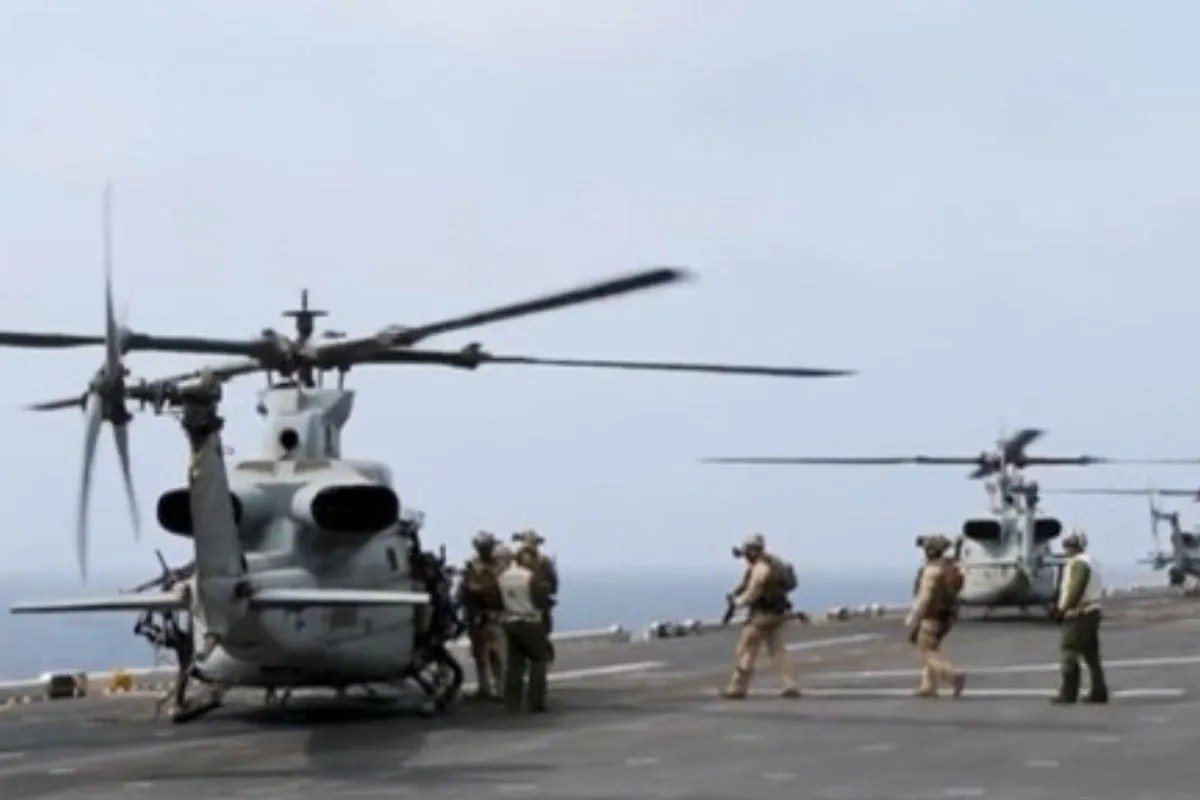
For months, the pressure has been ratcheting upward. Diplomatic channels have grown brittle, snapping under the weight of mistrust and unyielding demands. Sanctions bite deeper into the economic flesh of the region, while military assets reposition themselves across the checkerboard of the Middle East. Aircraft carriers shift their strike groups. Destroyer squadrons patrol the international waters just beyond the territorial limits of coastal states.
Yet, the true frontline of this brewing storm is not occupied by soldiers in trenches. It is occupied by merchant mariners.
(Note: The following character vignette is a hypothetical scenario designed to illustrate the human reality of these supply chain disruptions.)
Meet Thomas. For twenty-two years, Thomas has stood watch on the bridge of supertankers and container carriers. He has weathered typhoons in the South China Sea and navigated the fog-choked approaches of the English Channel with the calm detachment of a man who trusts mathematics more than luck. But lately, the lines on his forehead have deepened.
When the latest directive from his shipping company’s operations center in Dubai arrived, Thomas didn't curse. He simply sighed, walked over to the paper chart—yes, deep-sea captains still keep paper charts as a backup to the digital glow—and pressed the tip of his metal divider against a new coordinate.
"We are going wide," he told his first mate, his voice raspy from decades of breathing salt air. "Giving the Hormuz traffic separation scheme a wide berth."
"How much longer on the transit?" the mate asked.
"Three days, at least. Maybe four if the weather turns in the Arabian Sea."
Three days. To the consumer standing in a supermarket aisle or clicking purchase on an online electronics store, three days sounds like nothing. A minor delay. A fleeting inconvenience. But multiply those three days across twelve commercial ships forced to skirt the danger zones. Multiply the fuel costs, the insurance premiums that spike overnight like a spiking fever, the port congestion that ripples outward from Singapore to Rotterdam.
That is how geopolitics enters your living room. Not through a treaty, but through the price tag on imported goods.
The Strait of Hormuz is the jugular vein of global energy and commerce. Roughly a fifth of the world's petroleum consumption passes through this narrow maritime corridor daily. When the United States increases its economic and military pressure on Iran—tightening the screws on illicit oil networks, reinforcing naval patrols, and issuing stern warnings against maritime harassment—the shockwaves radiate outward immediately.
Tehran responds with rhetorical defiance and strategic posturing. Drills are announced. Fast-attack craft cast off from coastal bases to shadow foreign warships. Electronic jamming signals flicker across radar screens, blinding navigation systems with electronic static.
In this charged atmosphere, shipowners face an impossible calculation. Do they push forward along the traditional, efficient routes and risk an accidental collision, an aggressive boarding, or a miscalculated interception? Or do they absorb the staggering financial penalty of safety?
They choose safety. They always choose safety. But safety is expensive.
The twelve commercial ships rerouted this week represent a microscopic fraction of global maritime traffic, yet they serve as the canary in the coal mine. Or perhaps, more accurately, the canary in the engine room. Every time a vessel diverts around the Cape of Good Hope or hugs the safer southern boundaries of the Gulf of Oman, an invisible tax is levied on the global economy.
We forget how fragile our modern world is. We look at sleek smartphones, overflowing grocery shelves, and sprawling logistics networks as permanent fixtures of nature, like mountains or rivers. We treat abundance as a birthright.
Then a dozen ships turn away from a stretch of water in the Middle East, and the illusion cracks.
The captain on the bridge looks out at the horizon. The sun is sinking fast, painting the water in bruised shades of violet and deep amber. There are no other ships on his radar for twenty miles. The sea is empty, save for his own steel beast pushing forward into the unknown.
He adjusts his cap, checks the GPS coordinates one more time against the celestial sights he took at dusk, and steps back into the hum of the instruments. The journey is longer now. The destination is shrouded in uncertainty. But the wheel is turned, the course is set, and the world keeps spinning through the dark, tethered to the quiet resilience of those who sail its edges.