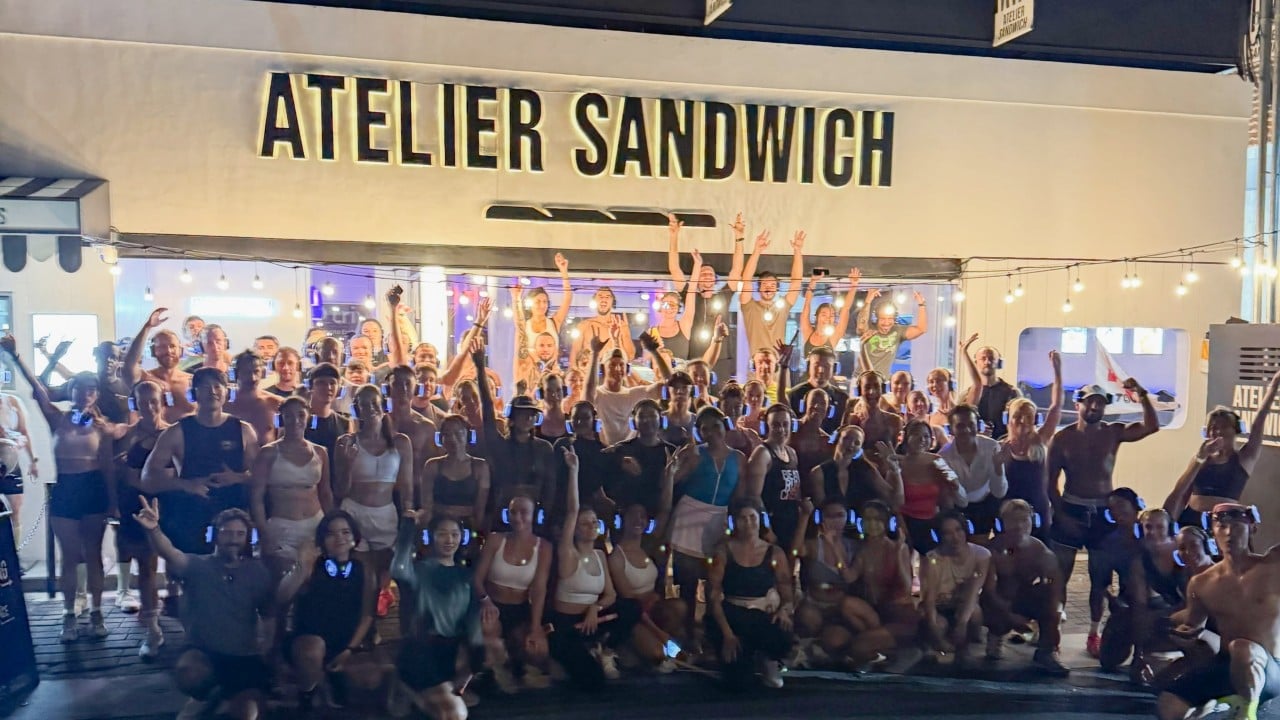
Dawn breaks differently in Canggu. Before the sun burns through the heavy, tropical humidity, the streets belong to a very specific kind of rhythm. Sneakers hit the asphalt in synchronized packs, AirPods pump curated electronic beats into foreign ears, and the morning air smells faintly of expensive coffee and eucalyptus oil. To an outsider scrolling through Instagram, it looks like utopia. A borderless community of global citizens sharing sweat and smiles under the Indonesian sun.
Then your phone buzzes.
Imagine a local resident, born just a few villages away, lacing up their shoes after a long night shift. They see a viral clip for a popular dawn run club—Entourage Bali, famous for its early morning silent disco jogs—and decide to join the movement. They open WhatsApp, type out their details, and hit send.
The reply doesn't arrive. Or worse, it arrives with a polite, cold rejection.
Not because the group is full. Not because the pace is too fast. But because the phone number starts with plus sixty-two.
That simple code, the national prefix for Indonesia, became an invisible tripwire. Across messaging apps, screenshots began to multiply like wildfire. Aspiring runners using foreign phone numbers or Western identities sailed smoothly through the vetting process, receiving welcomes and meeting locations. Those using local credentials found themselves ghosted, delayed, or outright barred from participating in public spaces on their own ancestral soil.
It starts with a running club, but the tremors run much deeper.
This is not merely about a few missed miles or an exclusive social circle. It touches a raw, pulsing nerve that has throbbed beneath the surface of paradise for years. For a long time, the friction between local populations and transient foreign communities in Bali has been brushed aside as the quirky cost of global tourism. Expats live in their own ecosystem of luxury villas, co-working hubs, and private events, occasionally grazing past the realities of ordinary Indonesian life. But when a community activity crosses the line into explicit exclusion—when a foreign-led group begins drawing literal borders on the pavement—the illusion shatters.
Consider the metaphor of the gated community, stretched out not over physical bricks and mortar, but over digital sign-up sheets and cultural attitude.
When director-general of immigration Hendarsam Marantoko stepped into the fray, his words cut through the corporate-speak like a machete. There can be no state within a state, he declared, announcing swift administrative entry bans against the Dutch nationals organizing the club. By the time the sanctions dropped, the organizers had already caught flights to Singapore, leaving behind a smoking ruin of public goodwill and an emergency statement apologizing for an automated glitch in their system.
An automated glitch. That was the defense. Blame the algorithm.
But algorithms do not write themselves. They are programmed by human biases, fueled by the quiet, pervasive assumption that foreign comfort matters more than local dignity. High-profile figures like Balinese senator Ni Luh Djelantik voiced what millions were thinking, reminding everyone that legendary Balinese hospitality is not a license to treat locals like second-class citizens in their own home.
Micro-discrimination is a sanitized term for a deeply unsanitized feeling. It is the sting of being looked through rather than looked at. It is the quiet realization that the cafe down the street caters only to English speakers, or that the wellness retreat on the cliffside views the surrounding village as a scenic backdrop rather than a community of neighbors. When foreign nationals treat a sovereign nation as their personal playground, forgetting that visa conditions and local laws actually apply to them, the backlash is inevitable.
The run club suspended its operations, vowing to review its practices. The internet moved on to the next viral outrage within forty-eight hours. Yet the dust hasn't settled for the people who watch their neighborhoods transform into exclusive enclaves they cannot enter.
Progress does not happen because a brand issues a crisis-management statement on social media. It happens when the invisible lines drawn on our streets are aggressively erased, leaving nothing behind except the raw, unfiltered equality of human sweat under a common sky.
Viral Bali running club accused of excluding locals
This short video captures the sudden fallout and public outcry after a popular Bali running group faced widespread allegations of shutting local residents out of its events.
http://googleusercontent.com/youtube_content/1