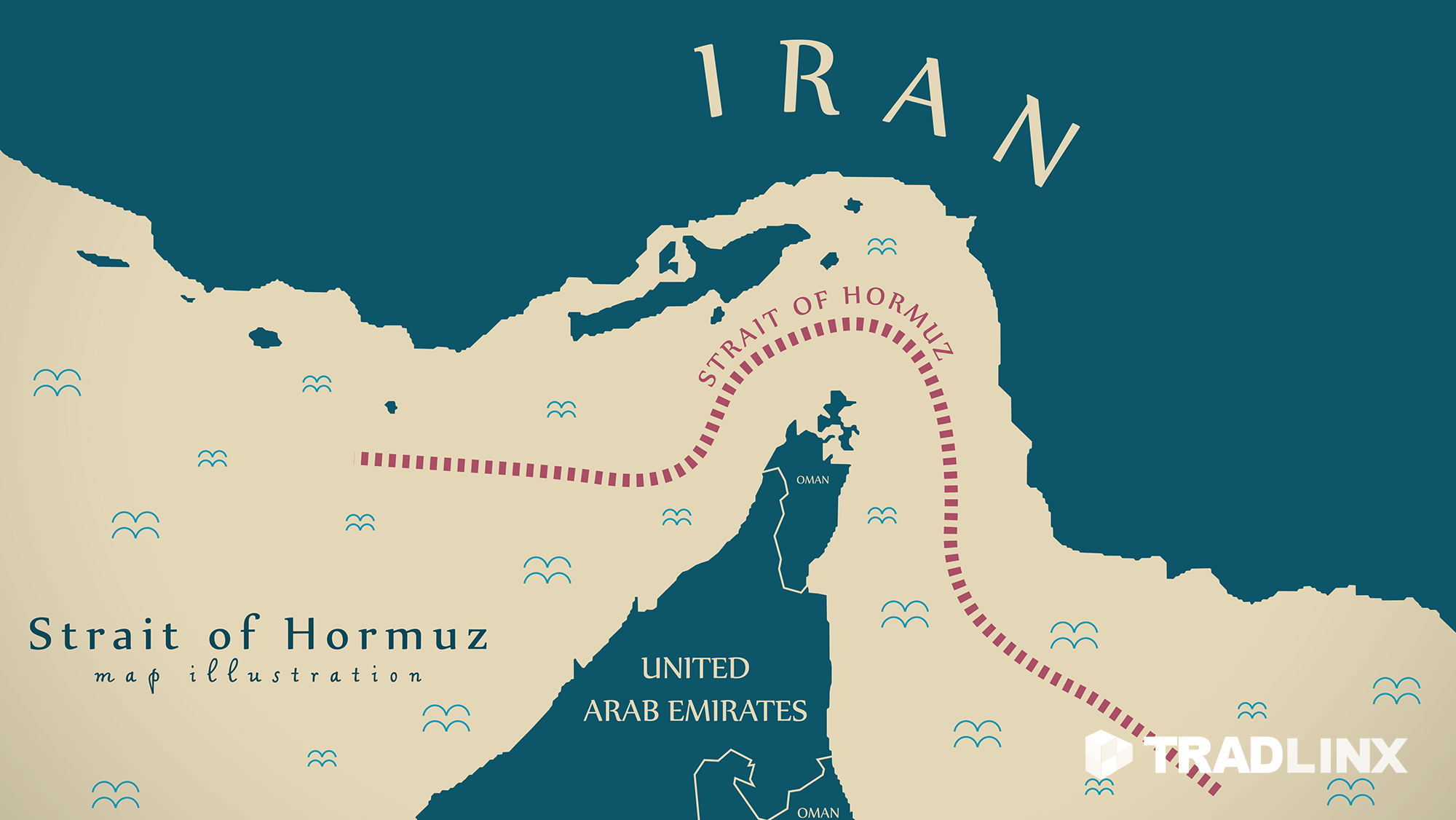
The steel hull of a tanker is six inches thick, but in the Strait of Hormuz, it feels like paper. Imagine standing on the bridge of a vessel carrying two million barrels of crude oil. You are navigating a narrow throat of ocean where the world’s energy supply squeezes through a gap just twenty-one miles wide. To your left is the jagged coastline of Iran; to your right, the rocky outposts of Oman. Below you, the water is dark, heavy, and silent. But the air around you is buzzing with the invisible electricity of a geopolitical standoff.
For the sailors trapped in this corridor, the news cycle isn't a headline. It is a physical weight. When tensions spike between Washington and Tehran, these ships—massive, slow-moving cities of iron—become the ultimate bargaining chips. They are the pawns in a high-stakes game of maritime chess where a single miscalculation can send global markets into a tailspin and turn a quiet Tuesday into a theater of war.
The Weight of the Silence
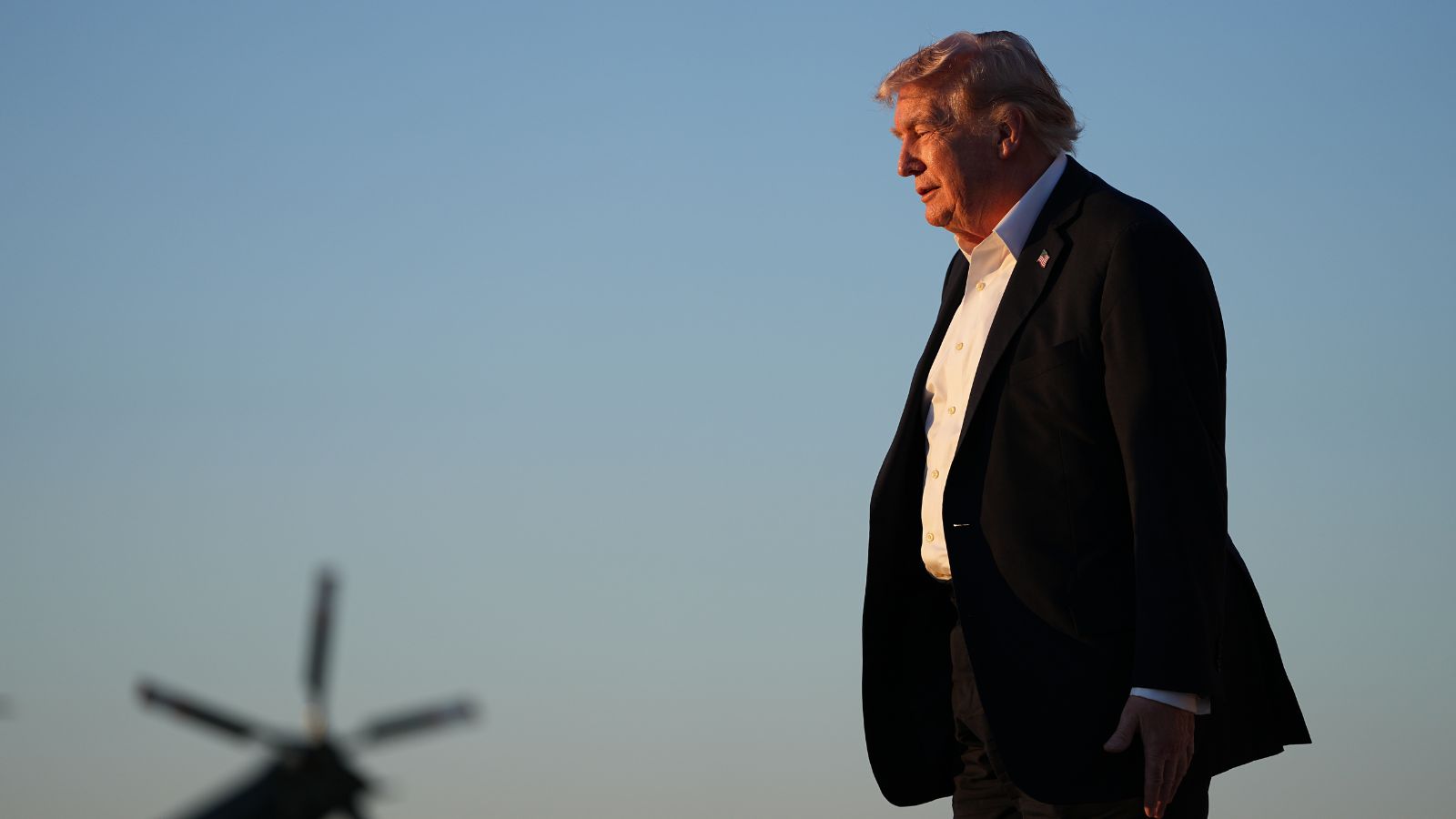
Everything changed when the reports hit the wire: Donald Trump announced that the United States would "guide" trapped ships out of the Gulf. On the surface, the language was diplomatic, almost sterile. He spoke of "very positive" talks with Iran. But for those watching the radar screens and the rising cost of insurance premiums, the words carried a different resonance. They signaled a temporary thaw in a deep, bone-chilling frost.
Negotiation is rarely about the words spoken at a podium. It is about the leverage held under the table. For months, the Strait of Hormuz has been a pressure cooker. We saw the seizure of the Stena Impero, the drone strikes on Saudi oil fields, and the constant, low-grade fever of naval shadow-boxing. When a President says the U.S. will guide ships out, he isn't just offering a navigational escort. He is asserting a presence. He is telling the world that the "invisible line" in the water is being patrolled by the biggest kid on the block.
Consider the perspective of a merchant mariner from the Philippines or India, working a nine-month contract to send money home. They didn't sign up for the front lines of a cold war. They signed up to move cargo. When the radio crackles with warnings from the Iranian Revolutionary Guard, or when a U.S. destroyer appears on the horizon, the stakes become intensely personal. The "trapped ships" aren't just statistics. They are metal containers filled with human beings waiting for permission to go home.
The Geography of Anxiety
To understand why this narrow strip of water dictates the price of your morning commute and the stability of distant economies, you have to look at the math. Roughly one-fifth of the world’s total oil consumption passes through this strait. It is the jugular vein of global industry. If it narrows, the world gasps for air.
The U.S. strategy has long been a delicate balancing act of "maximum pressure" and strategic openings. By announcing a collaborative effort to guide these vessels, the administration is attempting to lower the temperature without relinquishing the thermostat. It is a dance of shadows. One day, the rhetoric is fire and brimstone; the next, it is "very positive" dialogue. This volatility isn't accidental. It is the primary tool of modern statecraft.
But what does "guiding" actually look like? It isn't always a physical escort. Sometimes, it’s a diplomatic corridor. It’s the assurance that the GPS signals won't be jammed, that the mines have been cleared, and that the patrol boats will keep their distance. It is the creation of a "safe space" in a region that hasn't known true safety for decades.
The Human Cost of High Stakes
We often talk about Iran and the U.S. as if they are monolithic entities—two giants shouting across a chasm. We forget that the chasm is filled with people. In the coastal towns of Iran, the sanctions feel like a tightening knot. In the boardroom of a London shipping firm, the risk is a line item on a spreadsheet. But in the middle of the Gulf, the risk is a heartbeat.
The "positive talks" Trump mentioned are the first signs of a possible de-escalation, but they are fragile. They are built on the shifting sands of political necessity. For Iran, the goal is relief from a suffocating economic grip. For the U.S., it is a stable energy market and a check on regional influence. Between these two goals lies the fate of the tankers currently sitting idle, their engines humming a low, anxious tune.
The real story isn't the policy. It's the relief. It’s the moment a captain sees the way clear and gives the order to increase speed. It’s the sigh of a crew member who realizes they won’t be spending the next month in a detention port.
The Echoes of the Past
History has a long memory in these waters. We have been here before—during the "Tanker War" of the 1980s, where hundreds of merchant vessels were attacked. The scars of that era still dictate the rules of engagement today. Every move made in 2026 is an echo of a move made forty years ago. The U.S. presence in the Gulf is a legacy of that conflict, a permanent reminder that the flow of oil is considered a matter of national security, regardless of who sits in the Oval Office.
When we hear about "guiding ships," we are hearing the latest chapter in a story about who controls the world's most vital resources. It is a story about power, but it is also a story about dependency. We are all tethered to the Strait of Hormuz. Whether you are driving a truck in Ohio or operating a factory in Shanghai, your life is connected to the movement of those ships.
The talks may be "positive" today, but the underlying tensions remain. The "invisible line" is still there. It is drawn in the water by the wakes of warships and the dreams of empires. As the trapped vessels begin to move, guided by the promise of a temporary peace, the world watches with bated breath. We know that in this part of the world, the calm is often just the eye of the storm.
A sailor stands on the deck as his ship finally crosses the threshold out of the Gulf and into the open Arabian Sea. He watches the coastline of Iran fade into a purple haze on the horizon. For a brief moment, the politics don't matter. The price of Brent crude doesn't matter. The only thing that matters is the horizon, wide and blue and finally, mercifully, open. He takes a deep breath of salt air, turns his back on the Strait, and goes below deck to call his family. The line has been crossed, but the map remains as dangerous as ever.