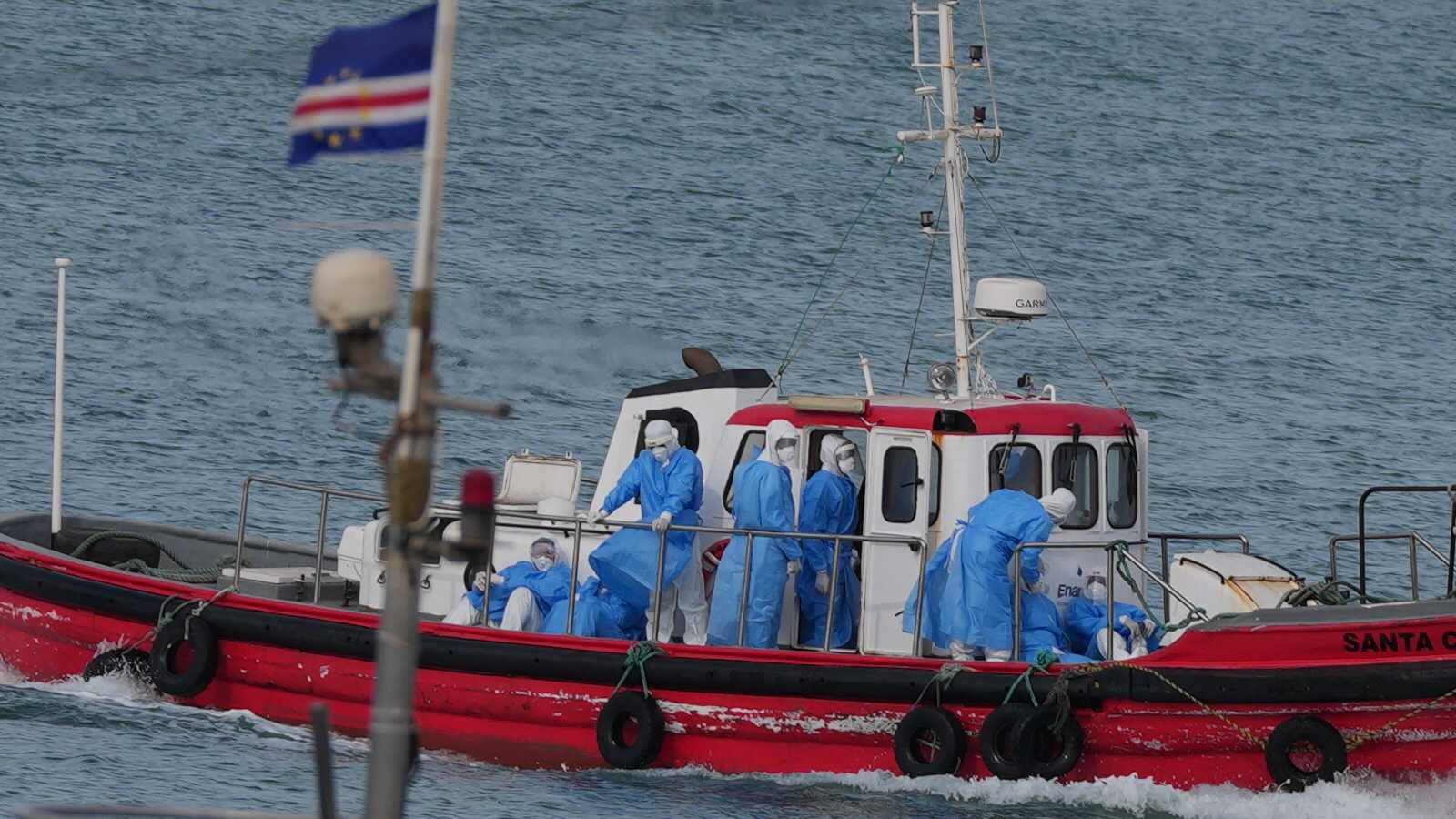
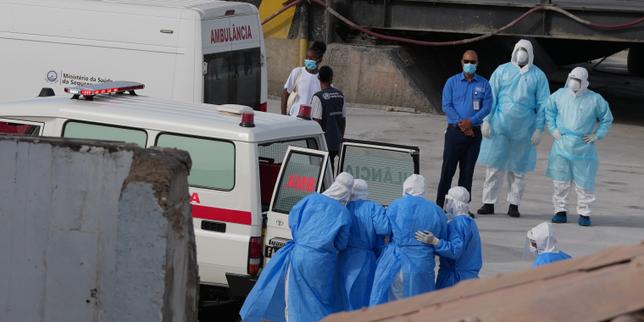
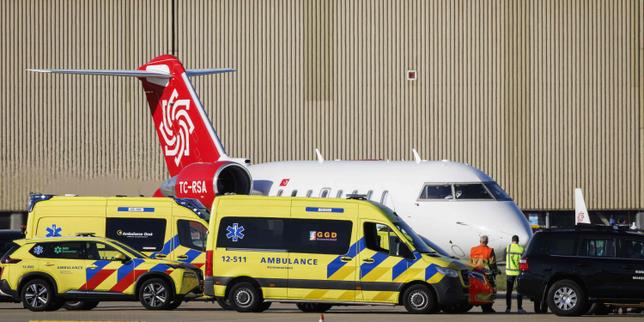
The maritime industry is currently facing a silent, microscopic crisis that highlights the terrifying speed of modern contagion. When a cluster of passengers aboard a luxury liner contracted Leptospirosis—colloquially known as "rat bug"—the subsequent dispersal of those individuals to their home countries created a public health tracking nightmare. This isn't just about one ship or one localized outbreak. It is a stark demonstration of how the high-density, high-turnover environment of cruise tourism acts as a perfect laboratory for zoonotic diseases to leap from urban pests to global populations. Within seventy-two hours of docking, forty potential carriers had vanished into the crowds of international airports, heading toward the UK and beyond, carrying a pathogen that mimics the flu but kills via organ failure.
The Mechanics of a Maritime Outbreak
Leptospirosis is a bacterial infection typically spread through the urine of infected animals, most commonly rats. In the tight confines of a ship, the infrastructure itself becomes a vector. We are talking about greywater systems, food storage lockers, and even the humid recesses of air conditioning units. Once the bacteria enter the human system—often through minor skin abrasions or mucous membranes—the clock starts ticking.
The medical reality is grim. The incubation period can stretch to four weeks, meaning a passenger can feel perfectly healthy while passing through customs, only to collapse in a suburban living room ten days later. This delay is the primary reason why containment is nearly impossible once the gangway is lowered. By the time health authorities identify a "patient zero," the "patient forty" is already back at work, unknowingly spreading the risk.
Why the Industry is Vulnerable
Cruise lines operate on razor-thin turnaround margins. A ship often docks, undergoes a deep clean, and welcomes three thousand new guests within a twelve-hour window. This relentless pace leaves little room for the kind of aggressive pest eradication required to guarantee a sterile environment. While modern liners are engineering marvels, they are also floating cities with thousands of miles of cabling and piping—ideal highways for rodents.
The "rat bug" is particularly insidious because it thrives in damp environments. On a ship, dampness is an atmospheric constant. If a single infected rodent gains access to a ship’s stores or a high-traffic galley during a port call in a tropical region, the bacterial shedding begins immediately. The water-based nature of the pathogen means that standard surface wiping isn't always enough. You need specialized chemical intervention and, more importantly, time. Time is the one luxury the industry refuses to buy.
The Failure of Global Tracking Protocols
The current panic involving travelers returning to the UK and other regions exposes a massive gap in international health cooperation. When an outbreak occurs at sea, the reporting requirements are often murky. Ships fly "flags of convenience," meaning they are technically subject to the laws of nations like the Bahamas or Panama, even if the passengers are primarily European or American. This creates a jurisdictional fog.
When these forty guests disembarked, there was no red flag on their passports. There was no mandatory quarantine. The burden of detection shifted entirely to the primary care physicians in their home towns. Most local doctors see a patient with a fever and muscle aches and prescribe rest for a viral infection. They aren't looking for a rare bacterial spike linked to a rat in a Caribbean port. This diagnostic lag is where the mortality rate climbs. Without specific antibiotics like doxycycline or penicillin administered early, the infection moves into the Weil’s disease phase, characterized by jaundice and kidney failure.
The Economic Pressure to Stay Silent
There is a massive financial incentive for cruise operators to downplay the severity of these incidents. A single "quarantine ship" headline can wipe hundreds of millions off a parent company's market cap in a single afternoon. Consequently, the internal communications often lean toward euphemisms. "Gastrointestinal distress" or "minor flu-like symptoms" are used to describe what might actually be a systemic failure of sanitation.
We are seeing a repeat of the Norovirus patterns from a decade ago, but with a much higher biological stake. Norovirus is miserable but rarely fatal for the healthy. Leptospirosis is a different beast entirely. The industry’s reliance on self-regulation is failing. The "frantic race" mentioned in early reports is actually a desperate attempt to retroactively patch a system that was never designed to track people once they leave the dock.
The Environmental Factor
Changing weather patterns are pushing rodent populations into new territories and increasing the frequency of flooding in port cities. This environmental shift flushes bacteria out of traditional sewers and into the very areas where cruise passengers congregate during excursions. A guest doesn't even need to see a rat to get sick; they just need to walk through a puddle of contaminated water in a port market and then touch their face.
The ships are bringing these local ecological problems back to global hubs. The UK, with its temperate climate and high population density, provides a stable environment for these pathogens to land. While the bacteria don't typically spread human-to-human, the sudden influx of multiple cases across different counties puts an immense strain on specialized infectious disease units that are already underfunded.
Rethinking Maritime Sanitation
The solution isn't more hand sanitizer stations in the buffet line. That is hygiene theater. Real containment requires a fundamental shift in how ships are built and maintained. We need to see the integration of antimicrobial materials in plumbing and a mandatory, transparent reporting system that triggers an automatic "health alert" to the home country of every disembarking passenger the moment a zoonotic threat is confirmed.
The current strategy of "search and find" after the guests have already reached the "all corners of the world" is a failed methodology. It relies on the memory and honesty of people who just spent thousands of dollars on a vacation and don't want to believe they are a biological hazard.
We are currently watching the fallout of a system that prioritizes the "guest experience" over basic epidemiological security. The forty travelers currently being tracked are the canary in the coal mine. If the maritime industry doesn't adopt a more aggressive, transparent approach to pest-borne pathogens, the luxury cruise of the future will be defined by its infirmary rather than its amenities.
The next step for any traveler who has been on a major liner in the last month is not to wait for a government phone call. It is to demand a specific blood titer test at the first sign of a persistent headache or calf pain. Waiting for the system to find you is a gamble with your own renal system.