International sports likes to pretend it exists in a vacuum. It doesn't. Politics always crashes the party, and right now, the Iranian national football team is caught in the middle of a bureaucratic nightmare just days before the 2026 World Cup kicks off.
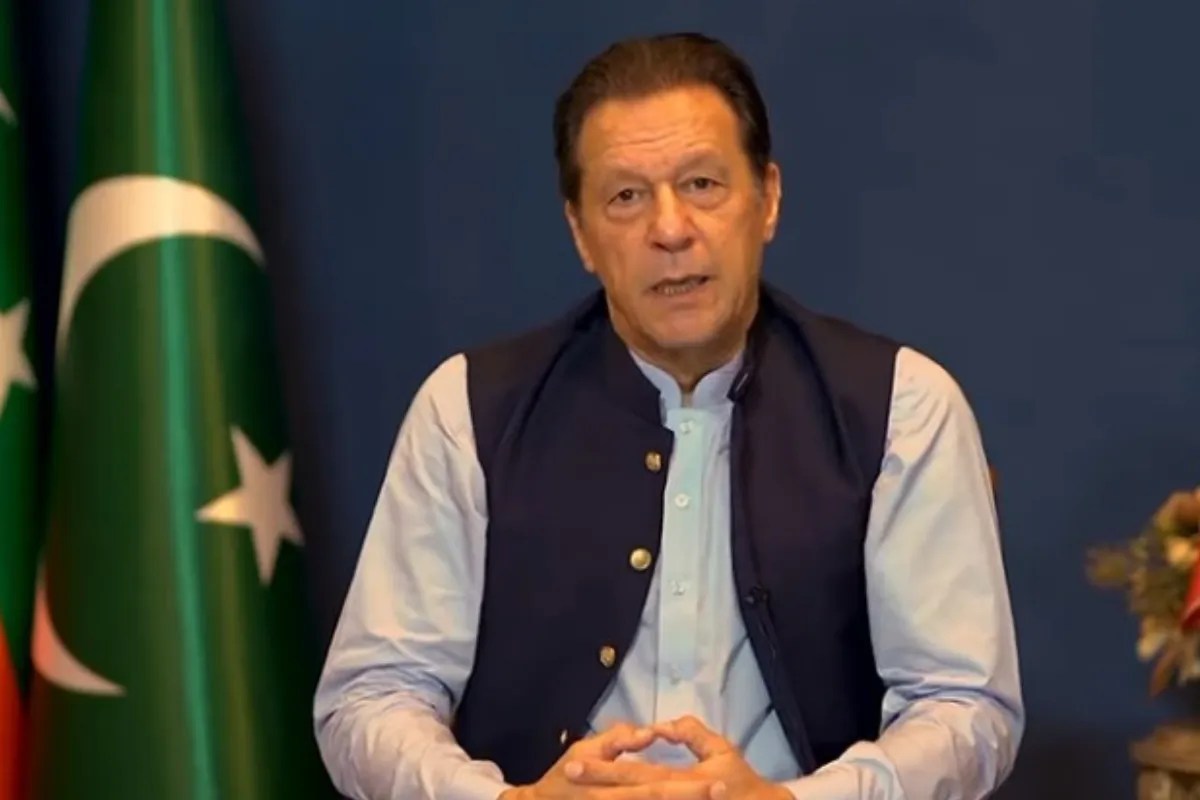
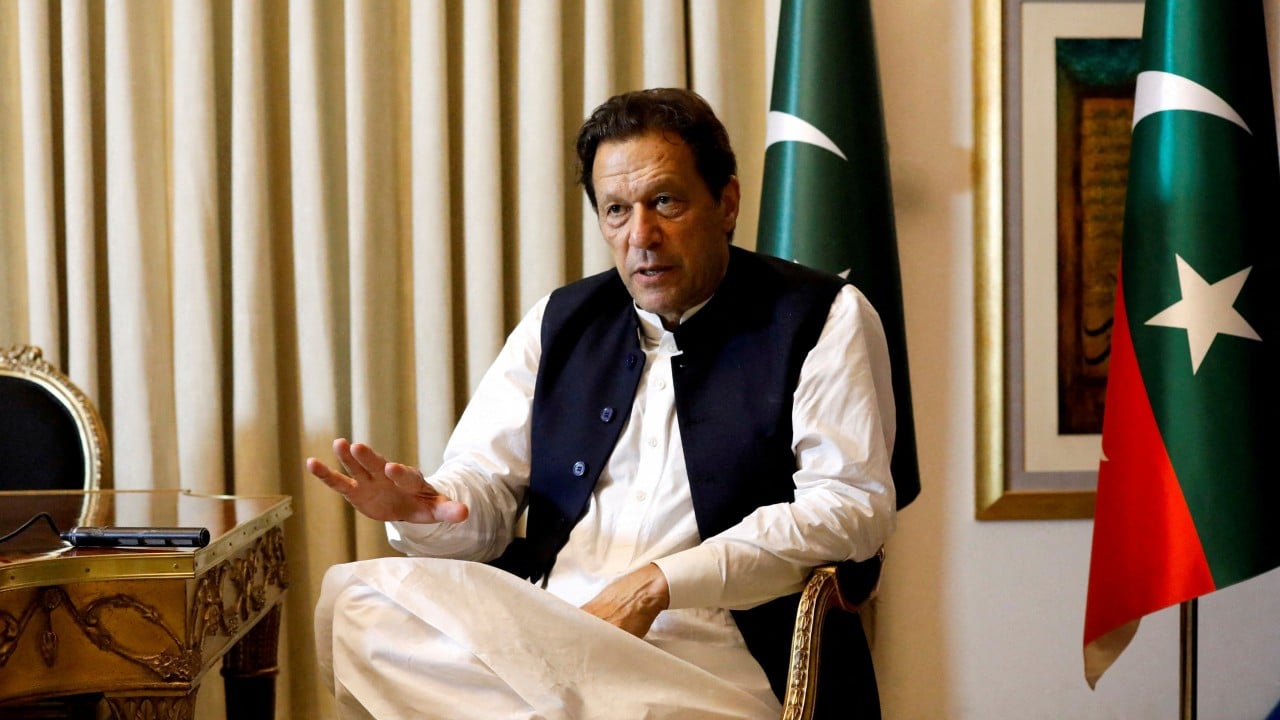
Iranian Football Federation President Mehdi Taj announced on state television that Team Melli handed over their passports to the US Embassy in Ankara, Türkiye. FIFA explicitly ordered the move. The squad had been cooling its heels at a training camp in Antalya since mid-May, playing waiting games instead of focusing entirely on their tactics. Think about the sheer absurdity of this scenario. A world-class sporting squad is forced to halt its travel plans and hand over its most vital documents to a foreign embassy in a third-party country, all while their opening match looms.
The main topic keyword here isn't just a sports headline. The Iran footballers hand passports to US embassy for World Cup visa approval saga is a massive warning shot about the nightmare of multi-border tournament hosting. If you think organizing a tournament across three massive nations is simple, this geopolitical mess proves otherwise.
The Reality Behind the Iran Footballers Hand Passports to US Embassy for World Cup Visa Approval Drama
Let's look closely at why this happened. Since Washington and Tehran don't maintain direct diplomatic relations, Iranian citizens can't just stroll into a US embassy at home. They have to travel to places like Ankara, Dubai, or Yerevan just to get an interview. For an elite football team, that means disrupting pre-tournament camps and flying entire delegations across borders just for paperwork.
The situation gets even trickier when you look at the team's operational setup. The Iranian federation secured Mexican visas with zero hassle. The Mexican embassy processed the core playing roster within 48 hours. No fingerprint scanning. No personal appearances required. Because of this, the team planned to set up its tournament base camp in the Mexican border city of Tijuana.
Here is the catch. Even though they're living and training in Mexico, all three of Iran's Group G matches take place on American soil.
- June 16: New Zealand at SoFi Stadium in Los Angeles
- June 21: Belgium at SoFi Stadium in Los Angeles
- June 26: Egypt at Lumen Field in Seattle
This means Team Melli must commute across the US-Mexico border for every single match. Without multiple-entry US visas, the entire plan collapses. Mehdi Taj isn't playing around either. He made it clear that the federation expects 100% multi-entry approval for every player and staff member. The Iranian federation even told FIFA that if the US denies visas to any contingent member, Iran will make "another decision" regarding its tournament participation. They are ready to walk away if the US uses visas as a political bottleneck.
Security Screening and the IRGC Conflict
The White House recently claimed that visas for the core playing roster are being cleared, but the real issue lies in the background staff. US Secretary of State Marco Rubio stated that while Washington won't block actual athletes, the US government will strictly vet and bar any official or staff member with suspected ties to the Islamic Revolutionary Guard Corps (IRGC).
For an Iranian sports delegation, separating sports from state institutions is almost impossible. Many athletes and staff members complete mandatory military service through clubs or organizations connected to the state framework. By enforcing blanket bans, the US creates an administrative minefield. It forces a sports federation to scramble for replacement coaches, analysts, and medical staff at the final hour. It's an direct hit to the competitive integrity of the tournament.
Furthermore, fans face an even steeper wall. An executive order targeting nations designated as state sponsors of terrorism essentially blocks ordinary Iranian fans from getting visas to watch their team play in Los Angeles or Seattle. While FIFA promised an inclusive tournament, the ground reality is that thousands of fans are frozen out by international sanctions.
The Logistical Flaw of Multi-Nation Hosting
The joint bid between the United States, Canada, and Mexico was sold as a grand celebration of unity. In reality, it's a logistical headache. When FIFA awarded the tournament to a three-nation coalition, it failed to adequately account for the harsh realities of international borders and political gridlock.
Coaches want their players focused on training, diet, and tactical shapes. Instead, the Iranian players spent weeks worrying whether they would even be allowed to board their flight to Mexico. The federation refused to fly the squad to Tijuana until those passports came back from Ankara with the correct stamps. No team should have to prepare for a World Cup while their passports sit in a secure drawer at a foreign embassy.
The lesson here is simple. If FIFA insists on staging massive, multi-country tournaments in the future, it must secure ironclad, automated visa guarantees for all qualifying nations before a single stadium brick is laid. If a host nation can't guarantee hassle-free entry for players and staff, it shouldn't be allowed to host.
For those tracking Team Melli's journey, the next 48 hours are critical. The passports are submitted, and the White House is signaling approval, but the team's bags remain packed in Türkiye until those physical documents are returned. Sports fans should keep a close eye on the official lines from the Iranian Football Federation and FIFA updates to see if the squad departs for Tijuana on schedule. Expect final confirmation on squad compliance and border travel protocols to drop via official FIFA press channels before the June 16 kickoff in Los Angeles.