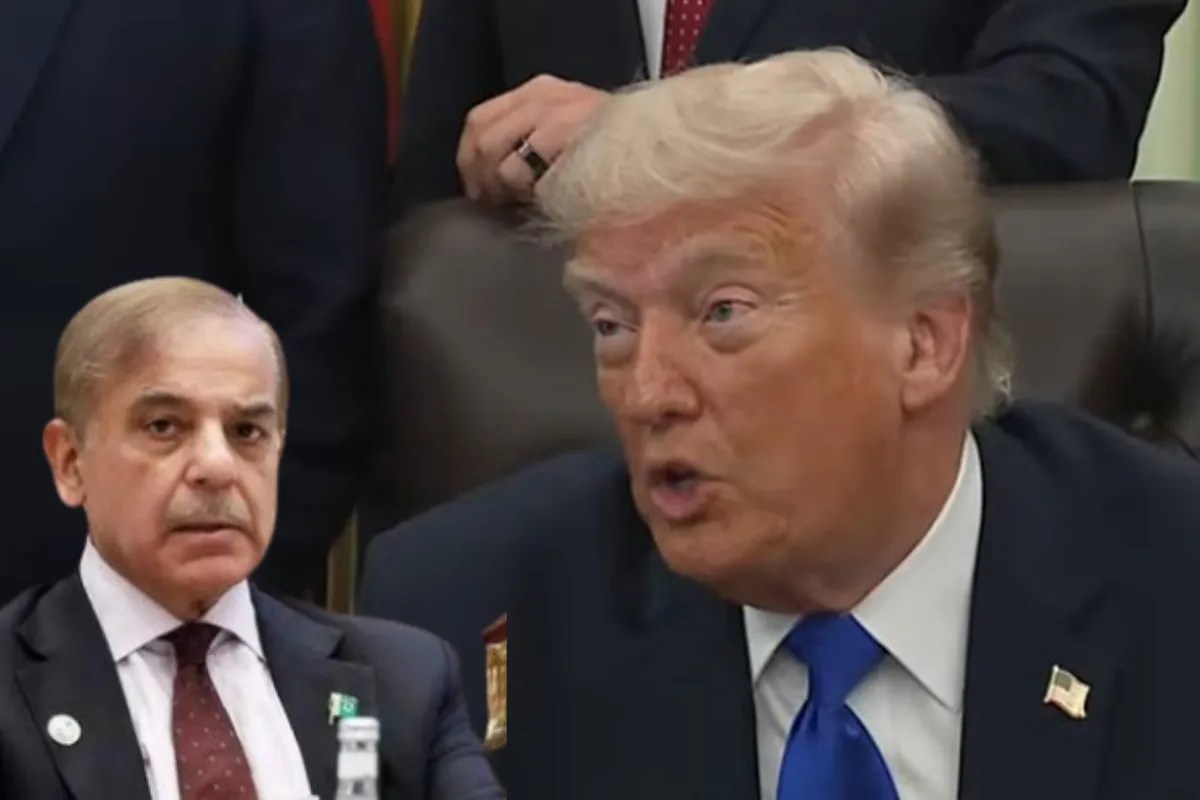
Geopolitics is a theater of the absurd where everyone pretends the script hasn't already been shredded. The mainstream media is currently obsessed with Donald Trump’s recent commentary on why a deal with Iran remains elusive, coupled with his blunt assessments of Pakistani Prime Minister Shehbaz Sharif and General Asim Munir. Most analysts are treating these statements as "diplomatic hurdles" or "controversial outbursts." They are missing the point entirely.
The "deal" everyone is chasing doesn't exist. It never did. The JCPOA (Joint Comprehensive Plan of Action) was a house of cards built on the hope that trade would magically turn a revolutionary theocracy into a Westphalian state. Trump isn't the reason the deal is failing; he is the only one willing to point out that the table we’re supposed to sit at has been on fire for a decade.
The Myth of the Rational Negotiator
The lazy consensus suggests that if we just find the right combination of "incentives" and "sanctions relief," Tehran will stop its enrichment program. This assumes the Iranian leadership views nuclear capability as a bargaining chip. It isn’t. For the IRGC (Islamic Revolutionary Guard Corps), the nuclear program is an insurance policy against the very "regime change" the West constantly whispers about.
I have watched diplomats waste thousands of hours in Viennese hotels trying to "bridge the gap." You cannot bridge a gap when one side is playing chess and the other is playing a game of survival where the rules change every hour. Trump’s bluntness—the "Art of the Deal" bravado that critics hate—actually aligns with the reality of the Middle East: strength is the only currency that doesn't depreciate.
Pakistan is the Real Wildcard Nobody Wants to Talk About
While the headlines focus on Iran, Trump’s mentions of Pakistan’s leadership—specifically PM Shehbaz Sharif and Field Marshal (a title often used colloquially for the army chief's absolute power) Asim Munir—reveal a deeper, more uncomfortable truth. The "Pakistan problem" isn't about democracy; it’s about debt and dual-use loyalties.
The world treats Pakistan as a partner in regional stability. In reality, Pakistan is a nuclear-armed nation facing an identity crisis, caught between Chinese investment, American military aid, and internal economic collapse. When Trump speaks about Munir and Sharif, he isn't just "giving a statement." He is acknowledging that the Pakistani military-industrial complex is the true arbiter of power in Islamabad. To think a civilian deal can bypass the GHQ in Rawalpindi is a fantasy that has cost the U.S. billions since 2001.
The Sanctions Paradox
We are told sanctions are a tool for behavior modification. They aren't. They are a tool for economic attrition. The problem? Iran has spent 40 years learning how to thrive in the shadows.
- Shadow Banking: Tehran has developed a sophisticated network of front companies that makes the Swiss look like amateurs.
- The China Lifeline: As long as Beijing is willing to buy "teaspoon" quantities of oil—which add up to millions of barrels—unilateral or even multilateral sanctions are merely an inconvenience, not a death blow.
If you think a deal is "just around the corner," you’re ignoring the fact that Iran’s hardliners benefit from isolation. It allows them to consolidate domestic power and blame every economic failing on the "Great Satan." A deal would actually weaken their internal grip. Why would they sign their own political death warrant?
Why the "Experts" are Wrong About Trump’s Strategy
The standard critique is that Trump’s withdrawal from the JCPOA in 2018 triggered the current crisis. This is a classic case of confusing a symptom with the disease. The JCPOA had sunset clauses that would have allowed Iran to resume most of its activities within a decade anyway. It was a "kick the can down the road" strategy that favored optics over security.
Trump’s approach, while chaotic, forced a "Maximum Pressure" reality that stripped away the illusions of the Obama era. It revealed that the Iranian economy is brittle, yes, but its ideological core is rigid. You don't negotiate with a rigid core; you either break it or you contain it. There is no middle ground.
The Islamabad-Tehran-Beijing Axis
Here is the nuance the competitor article missed: the growing synergy between Iran and Pakistan, mediated by China. This isn't just about regional squabbles. It’s about the creation of a parallel economic system that bypasses the Dollar.
- CPEC Expansion: The China-Pakistan Economic Corridor is increasingly looking like a gateway for Iranian energy.
- Military Cooperation: Behind the scenes, the cooperation between the IRGC and the Pakistani military on border management and intelligence sharing is at an all-time high, despite the public "skirmishes" we saw earlier this year.
When Trump talks about Munir, he is signaling that the U.S. knows where the power lies. He is discarding the polite fiction of civilian supremacy in Pakistan. It’s brutal, it’s undiplomatic, and it’s the only honest assessment we’ve had in years.
The Cost of the "Status Quo"
We have spent twenty years trying to "fix" the Middle East through treaties and "nation-building" Lite. The result?
- An emboldened Iran.
- A nuclear-armed Pakistan on the brink of default.
- A vacuum that China is more than happy to fill.
The contrarian truth is that the "deal" isn't happening because the world has moved past the era of grand bargains. We are in an era of transactional realism. Trump understands this inherently. He doesn't want a 500-page treaty that lawyers will argue over for decades. He wants a binary outcome: You stop, or we squeeze. It’s crude, but in a world of crumbling international norms, it’s the only language that translates.
Stop Asking "When is the Deal?"
The question itself is flawed. You should be asking: "How do we manage a world where Iran is a threshold nuclear state and Pakistan is a military-controlled economy?"
The "deal" is a ghost. It’s a comfort blanket for career diplomats who need a reason to fly to Geneva. If you’re waiting for a return to the 2015 status quo, you’re not just optimistic; you’re delusional. The geopolitical tectonic plates have shifted. Iran has no incentive to trust the U.S., and the U.S. has no reason to trust Iran. Pakistan is simply trying to keep the lights on while its military maintains its hegemony.
Trump’s comments aren't "gaffes." They are a wrecking ball aimed at a foreign policy establishment that has failed to deliver a single meaningful victory in the region for a generation.
The era of the "Grand Bargain" is dead. Long live the era of raw power.
Stop looking for a signature on a piece of paper. Start looking at the enrichment levels and the troop movements. That’s the only "deal" that matters.