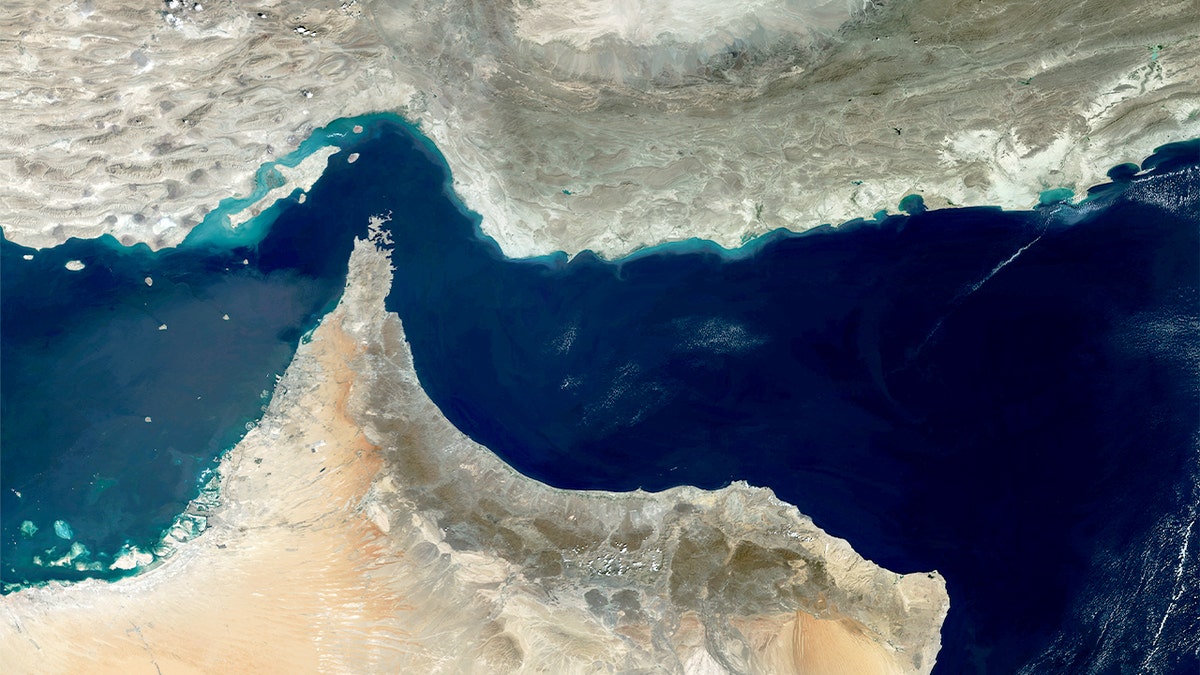
The world’s most vital oil artery is currently a graveyard for global trade. If you’ve looked at your energy bill or the price of gas lately, you know the 2026 Iran war isn't just a regional scrap—it’s a global catastrophe. Right now, the Strait of Hormuz is effectively a dead zone. Iran has tightened its grip on the 21-mile-wide waterway, and in response, the U.S. has parked a naval blockade right on Tehran’s doorstep. It's a "dual blockade" that has sent Brent crude screaming past $120 per barrel.
Now, Iran is floating a three-stage proposal to break the deadlock. On the surface, it looks like a white flag. Dig deeper, and it’s clearly a tactical maneuver designed to buy time while keeping their sovereignty over the strait non-negotiable. Foreign Minister Abbas Araghchi is pitching this deal through Pakistani intermediaries, but the reality is that Washington and Tehran are still speaking two different languages.
The Three Stages of the Iranian Proposal
Iran’s roadmap isn't a simple "we open, you leave" deal. It’s a sequenced de-escalation that forces the U.S. and Israel to move first.
- Phase One: The Hard Stop. Iran demands a total cessation of hostilities from the U.S. and Israel. This isn't just about a "timeout." Tehran wants formal, written guarantees that the strikes—which have already claimed the life of Supreme Leader Ali Khamenei—won’t resume.
- Phase Two: Neutral Reopening. Once the shooting stops and the U.S. naval blockade of Iranian ports is lifted, neutral mediators would step in. These third parties would facilitate the reopening of the strait to commercial traffic, acting as a buffer between the U.S. Navy and the IRGC’s remaining fast-attack boats.
- Phase Three: Long-Term Management. Only after the trade starts flowing and the threat of starvation (both economic and literal) recedes will Iran discuss a permanent management agreement for the waterway.
The catch? Iran wants the nuclear issue and its proxy funding sidelined until these three stages are complete. They’re basically saying, "Let’s fix the shipping crisis now and talk about the nukes later."
Why the White House isn't Biting Yet
You’d think a deal to lower gas prices would be a slam dunk for any administration, but President Trump and Secretary of State Marco Rubio aren't rushing to sign. Washington’s stance is predictably rigid: no relief without nuclear "zero enrichment" and a total cutoff for Hezbollah.
Secretary Rubio was blunt this week. He acknowledged Tehran is "serious about making a deal," but he emphasized that the U.S. won't allow Iran to maintain total authority over the strait. The U.S. view is that if they lift the blockade now without getting nuclear concessions, they lose their only remaining leverage.
There’s also the "trust gap." After the assassination of Khamenei in February, the Iranian leadership is fractured. While Araghchi is talking peace in Islamabad, hardliners like Mohammad Bagher Ghalibaf are calling the U.S. blockade "piracy" and an "act of war." When one side of a government calls for a deal and the other calls for a missile launch, it’s hard to build a lasting peace.
The Economic Toll of a Closed Strait
We aren't just talking about a few cents at the pump. The Strait of Hormuz handles 20% of the world’s petroleum and roughly the same amount of liquefied natural gas (LNG). Pre-conflict, 3,000 ships moved through here every month. Now? Maybe 5% of that.
- Insurance Nightmares: For the few captains brave enough to try the passage, war-risk insurance premiums have jumped from 0.125% to nearly 0.4%. For a supertanker, that’s an extra $250,000 just for one trip.
- The Shadow Fleet: Only "non-hostile" states—basically China and Russia—are getting a pass. China is currently receiving about a third of its oil through the strait via diplomatic side-deals with Tehran, while the rest of the world scrambles for scraps.
- Supply Chain Collapse: U.N. Secretary-General António Guterres recently warned of a "global food emergency." Fertilizer and fuel costs are so high that crops are rotting in fields half a world away.
A Flawed Sequence or a Path Forward
Critics like Raz Zimmt from Israel’s Institute for National Security Studies argue that Iran’s three-stage plan is a trap. The logic is simple: if you don’t resolve the nuclear issue while the war is active, you’ll never resolve it once the pressure is off.
But honestly, the current "dual blockade" is unsustainable. Iran is losing $500 million a day because of the U.S. naval cordon, and the global economy is bleeding out. The U.K. and France are already trying to bypass the U.S.-Iran standoff by proposing a "multinational mission" to force the strait open, but without a deal, that just sounds like an invitation for more ship-killing drones.
The immediate next steps aren't found in a grand treaty but in the "remote communication channels" currently managed by Pakistan. Watch for a potential "mini-deal" where the U.S. allows a specific number of Iranian tankers through in exchange for a documented pause in IRGC "toll-collecting" activities in the strait. If that happens, expect oil prices to drop $10 overnight. If it doesn't, we're looking at a very cold, very expensive winter.
Keep an eye on the Islamabad talks this weekend. If Araghchi and the U.S. team can agree on even a temporary 30-day "shipping truce" without mentioning the nuclear program, it’ll be the first real sign that the three-stage plan has legs. If the talks collapse again, the U.S. may pivot from a blockade to direct strikes on Iranian port infrastructure. Either way, the era of "free navigation" in the Persian Gulf is officially over.