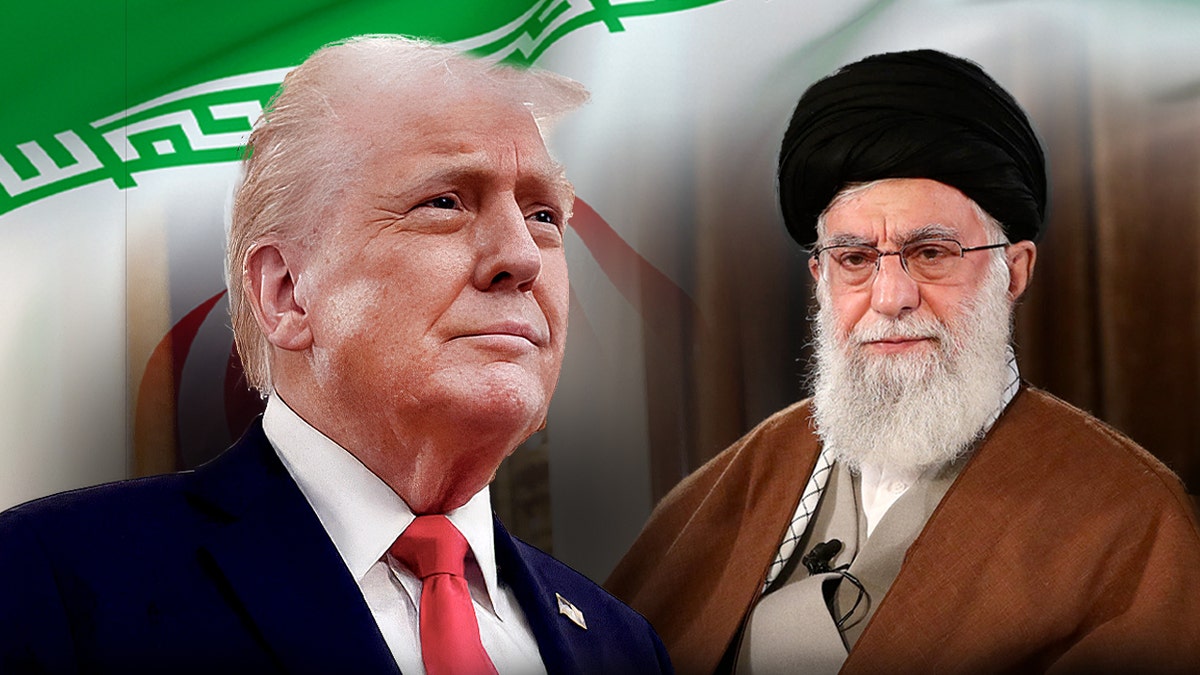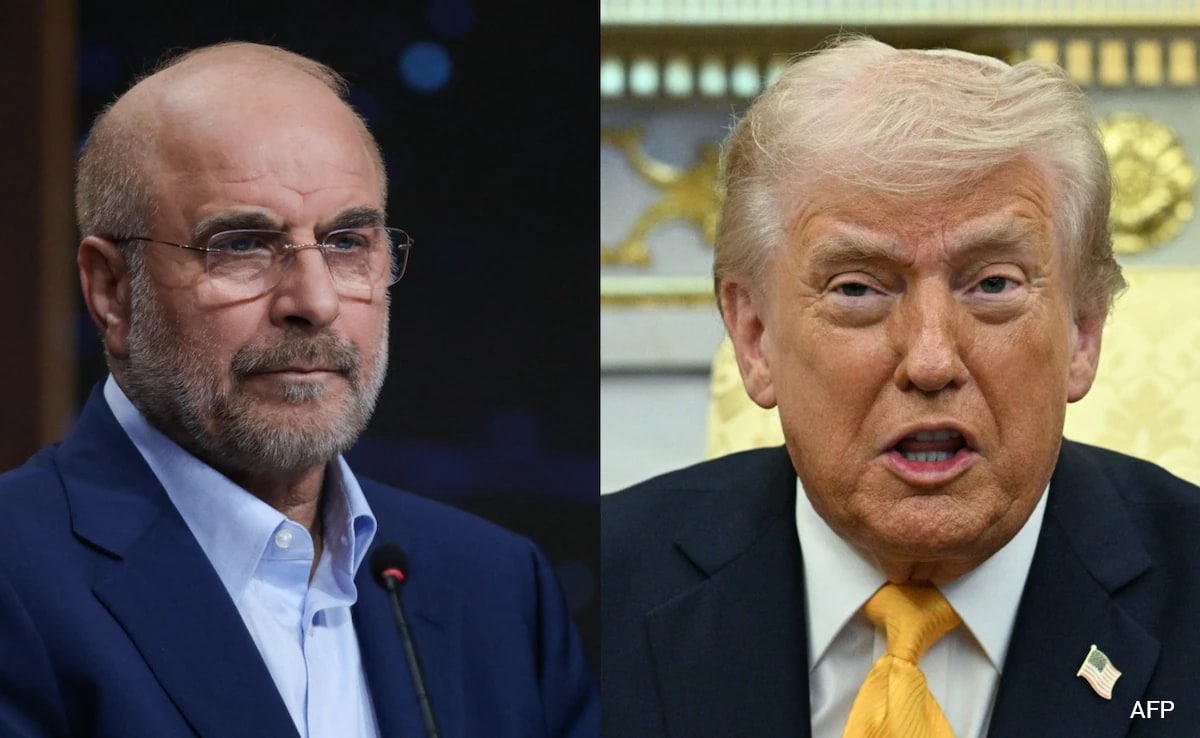
Donald Trump just hit the pause button on a war that most people think is already over. On Tuesday, he took to Truth Social to announce he’s extending the ceasefire with Iran. This wasn't because of some sudden breakthrough in diplomacy. It was a request from Pakistan’s leadership, specifically Field Marshal Asim Munir and Prime Minister Shehbaz Sharif. But don't let the "peace" label fool you. Tehran isn't buying the olive branch, and honestly, you shouldn't either.
Mahdi Mohammadi, an adviser to Iran’s Parliament Speaker, didn't mince words. He called the extension a "ploy to buy time for a surprise attack." It sounds like typical wartime rhetoric, but when you look at the troop movements in the region, his skepticism starts to look like common sense. While Trump talks about giving Iran space to submit a "unified proposal," the US military is actually beefing up its presence.
The Blockade That Isn't Stopping
You can't call it a total ceasefire when a naval blockade is still strangling a country's economy. Trump was clear about this: the ceasefire extends the "no-bombing" rule, but the blockade stays. For Iran, a blockade is an act of war by another name. They’ve already responded by flipping the switch on the Strait of Hormuz—opening it one day and slamming it shut the next.
If you’re wondering why the tension is so high right now, look at the "dark fleet." Despite the US Navy’s best efforts, at least 12 Iranian tankers have slipped through the blockade recently. When the US seized an Iranian cargo ship on April 19, Tehran saw it as a direct violation of the truce. You can’t tell someone you aren’t fighting while you’re actively taking their ships. It’s a mess, and it’s making the "surprise attack" theory gain traction in Iranian military circles.
Trump's Mixed Signals and the Raring to Go Factor
Trump is playing a dangerous game of "good cop, bad cop" with himself. One hour he’s telling CNBC he’s "raring to go" and expects to be bombing again soon. The next, he’s "graciously" extending the deadline because Pakistan asked him to. This isn't just erratic behavior; it's a negotiation tactic designed to keep the Iranian regime fractured and off-balance.
- The Fractured Regime: Trump claimed Iran's government is "seriously fractured." He’s not entirely wrong. Since the 2026 war began following the assassination of top officials in February, the power vacuum in Tehran has been chaotic.
- The Military Build-up: More than 10,000 additional US troops are headed to the region. The Boxer Amphibious Ready Group is on its way. You don't send that much firepower for a peace treaty.
- The Pakistan Factor: Islamabad is desperate to avoid a regional meltdown. They’re the middleman, but their influence only goes so far when both sides are looking for an excuse to pull the trigger.
Why the Surprise Strike Theory Has Legs
The Iranian military command isn't just paranoid. Maj. Gen. Ali Abdollahi recently stated his forces are ready for a "decisive response." From their perspective, the US is using this lull to reposition assets. History shows that ceasefires in this region are often used to refuel, rearm, and pick better targets.
If Trump wanted a deal, he wouldn't be threatening to "raze infrastructure" while the negotiators are still packing their bags for Islamabad. The "surprise strike" Iran fears probably wouldn't be a ground invasion—that’s a logistical nightmare—but a massive aerial campaign targeting what's left of Iran's nuclear and missile sites. By extending the ceasefire, Trump keeps the world guessing while the Navy moves into the perfect striking position.
What Happens Next
The ball is technically in Tehran's court, but the court is on fire. They’re expected to submit a proposal, but they’ve already rejected Trump’s 15-point roadmap, calling it a demand for total surrender. They won't give up their enrichment programs or stop supporting regional proxies just because JD Vance might show up in Pakistan.
If you're watching this unfold, don't wait for a formal declaration of renewed war. Watch the Strait of Hormuz. If Iran keeps it closed, the US will likely use that as the "breach of commitment" needed to end the ceasefire.
Keep an eye on these specific triggers:
- Any move by the US to intercept more "dark fleet" tankers.
- The arrival of the Boxer Amphibious Ready Group in the Indian Ocean.
- A definitive "no" from the Iranian negotiators regarding the Islamabad talks.
The ceasefire hasn't brought peace; it has only brought a louder silence before the next explosion. If you have interests in global markets or energy, now is the time to hedge. The price of oil is tethered to the sanity of two governments that currently don't trust each other at all. Don't expect the extension to last a day longer than it serves the US military's logistical needs.