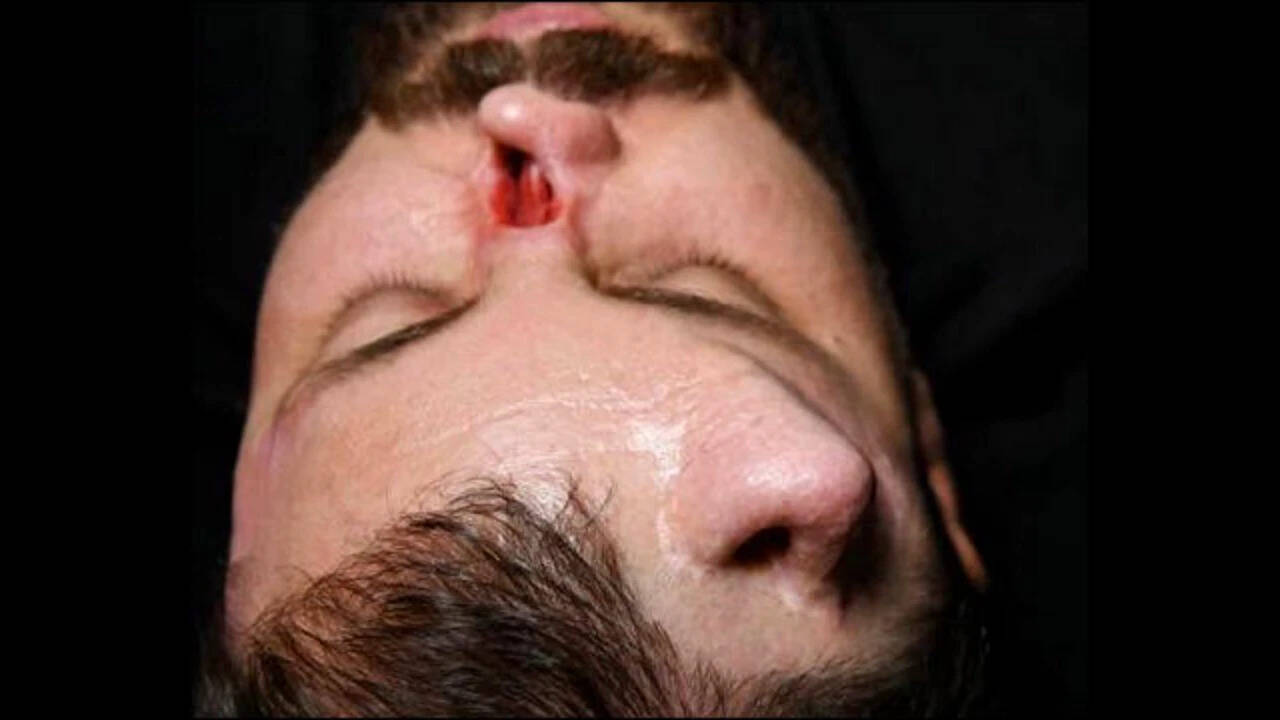
Reconstructive surgery pushes boundaries constantly. Severe trauma changes lives in seconds. A high-voltage electrical accident leaves devastating marks. Most people don't realize what it takes to rebuild a human face from scratch. An Iraqi medical team faced this exact challenge. They grew a brand-new nose on a patient's forehead.
It sounds like science fiction. It is real medicine. You might also find this connected coverage insightful: The Invisible Threat Hiding in Plain Sight.
The Reality of High-Voltage Trauma
Electrical injuries destroy tissue differently than cuts or blunt force. Current cooks tissue from the inside out. Bones, nerves, and blood vessels suffer deep damage. When a patient survives a high-voltage shock, the physical toll is catastrophic.
Rebuilding a face after this kind of trauma requires extreme precision. Surgeons cannot simply stitch skin back together. The tissue is often dead or heavily scarred. Traditional skin grafts fail because the underlying bed lacks a blood supply. As reported in detailed articles by Medical News Today, the implications are worth noting.
You need fresh, living tissue with its own vascular network. That forces medical teams to look at alternative donor sites. Your forehead turns out to be an ideal spot for growing nasal tissue.
Why the Forehead Works for Nasal Growth
The forehead shares skin characteristics with the nose. Color and texture match closely. More importantly, the forehead has a robust blood supply via the supratrochlear and supraorbital vessels.
Surgeons use this natural blood highway to keep new tissue alive while it takes root.
Here is how the process works in practice:
- Tissue Expansion: Doctors place a small balloon expander under the forehead skin months prior. This stretches the skin to create enough extra material.
- Cartilage Grafting: Surgeons harvest cartilage from the patient's ribs or septum. They carve this cartilage into the precise shape of a nasal bridge.
- Implantation: The carved cartilage goes under the expanded forehead skin. The body accepts it and starts growing blood vessels into the new structure.
- The Transfer: Once the tissue matures, surgeons cut the pedicle—the blood supply anchor—and swing the newly formed nose down into its proper position on the face.
It's a multi-stage marathon. Months pass between the initial injury and the final placement. Infections lurk around every corner. Rejection is a constant threat.
The Iraqi Medical Breakthrough
The case in Iraq highlights the global reach of advanced microsurgery. Western hospitals hold no monopoly on innovation. Surgeons in conflict zones and developing regions often handle trauma loads that dwarf what doctors see in quiet suburban clinics.
They innovate out of necessity. Resource limits force creative problem-solving.
When the Iraqi surgical team documented this forehead nose reconstruction, they added valuable data to the global medical community. They proved that complex pre-fabrication techniques work even under high-stress conditions.
Patient psychology plays a huge role here too. Losing a nose destroys identity. People avoid mirrors. They hide from public view. Giving someone their facial features back is psychological restoration, not just physical repair.
What Modern Reconstruction Teaches Us
Medicine moves fast. Techniques that seemed impossible twenty years ago are standard practice now.
If you or someone you know faces major reconstructive surgery, ask tough questions. Find out if your surgeon has experience with pre-fabricated flaps. Look for centers handling high volumes of trauma cases.
Recovery demands patience. You won't look normal overnight. Swelling lasts for months. Secondary revision surgeries are almost always necessary to smooth out rough edges and refine the shape.
Trust the process. Lean on your medical team. The human body heals remarkably well when given the right architectural support.
Take notes on your surgical options. Get second opinions. Push for the best specialized care available.