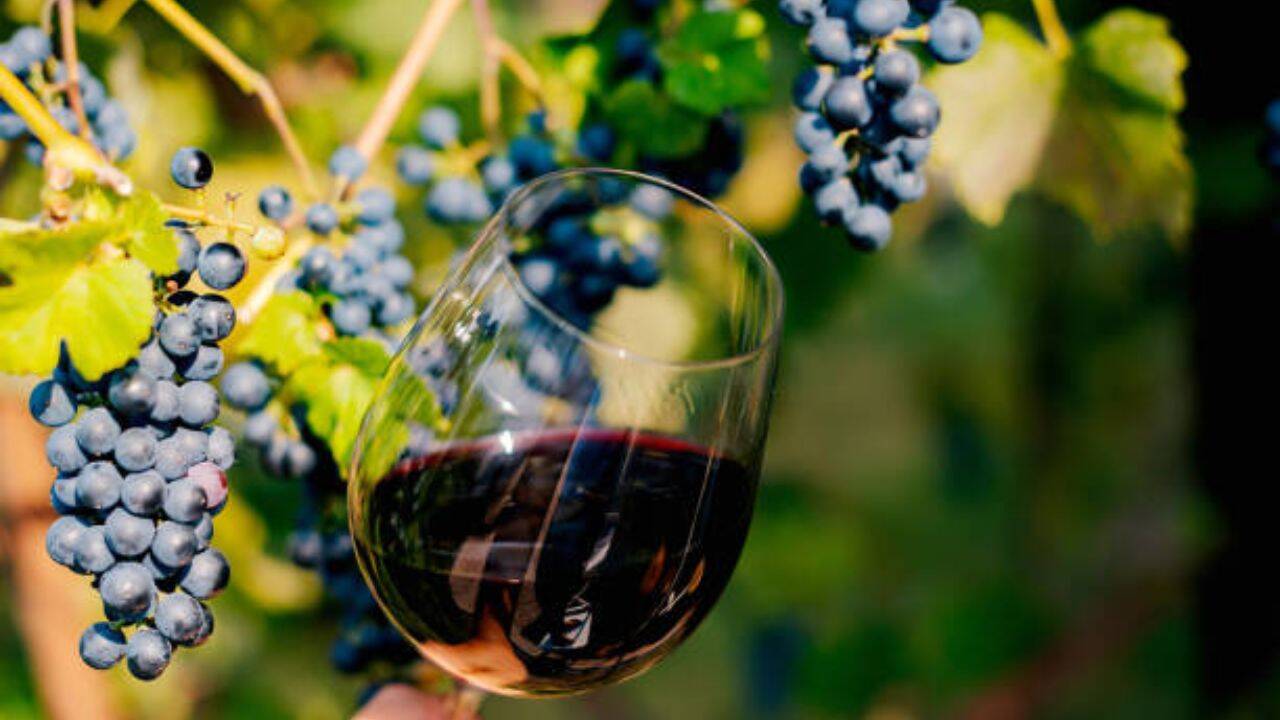
Forget Guinness and whiskey for a moment. Ireland is quietly morphing into an unexpected hotspot for commercial winemaking.
If you told anyone a decade ago that the Emerald Isle would boast 42 vineyards and report bumper harvests, they would have laughed you out of the pub. Yet, shifting weather patterns across Europe are completely rewriting agricultural boundaries. While southern European vineyards bake under brutal heatwaves and battle devastating wildfires, Irish growers are quietly tending to thriving vines.
The landscape is changing. Fast.
The Reality of Irish Viticulture
You might picture Ireland as a perpetually damp, overcast slab of green where only grass and potatoes stand a chance. That old stereotype is missing the mark.
Data shows the island now supports five fully-licensed commercial vineyards alongside 37 smaller-scale operations dedicated to personal use, trials, and research. Pioneers in counties like Waterford, Wexford, and Louth aren't just experimenting—they're pulling off commercial successes.
Take Bertrand Laclie, who founded Fairy Trees Winery in County Louth. Coming from five generations of Cognac distillers in France, he planted his first vines in 2020. By 2025, his bottles were hitting shelves at Dublin Airport. He saw the data. He took a calculated risk. Now he produces both still and sparkling wines that defy traditional expectations.
Similarly, David Dennison runs an organic vineyard down in County Waterford. He launched Viking Irish Drinks back in 2010, long before most people took the concept seriously. His current crops are tracking massive yields, proving that consistency is entirely possible outside of traditional Mediterranean bounds.
Grapes That Actually Survive the Atlantic Climate
Growing wine in Ireland isn't about forcing fragile Mediterranean grapes into submission. It is about choosing resilient varieties designed for cooler, coastal environments.
Hardy grapes are leading the charge. Varieties like Solaris (a white grape) and Rondo (a tough red) handle lower temperatures and moisture with ease. At the same time, specialized microclimates are yielding surprises. Esperanza Hernandez, who runs Old Roots in County Wexford, has successfully cultivated traditional varieties including Chardonnay, Riesling, Pinot Noir, and Cabernet.
The secret lies in the soil and the sea. Glacial mineral deposits mixed with rich organic layers give these Atlantic wines a distinct mineral backbone.
The Commercial Upside of Lower Alcohol Content
There is another massive advantage hiding in Ireland's cooler climate: natural alcohol control.
Global drinkers are actively pivoting away from heavy, high-alcohol wines. They want something lighter. Because grapes ripen differently in Ireland's moderate summer temperatures, winemakers can easily maintain alcohol levels sitting comfortably under 12 percent.
That feature alone is turning heads among international investors. Winemakers from France and California are reaching out to local producers, scouting land, and trying to buy into a nascent market that most of the world still ignores.
Skeptics point out the obvious hurdles. Specialized equipment is expensive to import. Local farming traditions die hard. Convincing consumers that an Irish Pinot exists takes patience.
Yet, every new harvest chips away at that skepticism. The infrastructure is expanding. The vines are maturing. If you think Irish wine is just a quirky novelty, you're sleeping on a permanent shift in European agriculture. Stop writing off cold climates. The next great bottle on your table might just come from the rain-swept coast of Ireland.