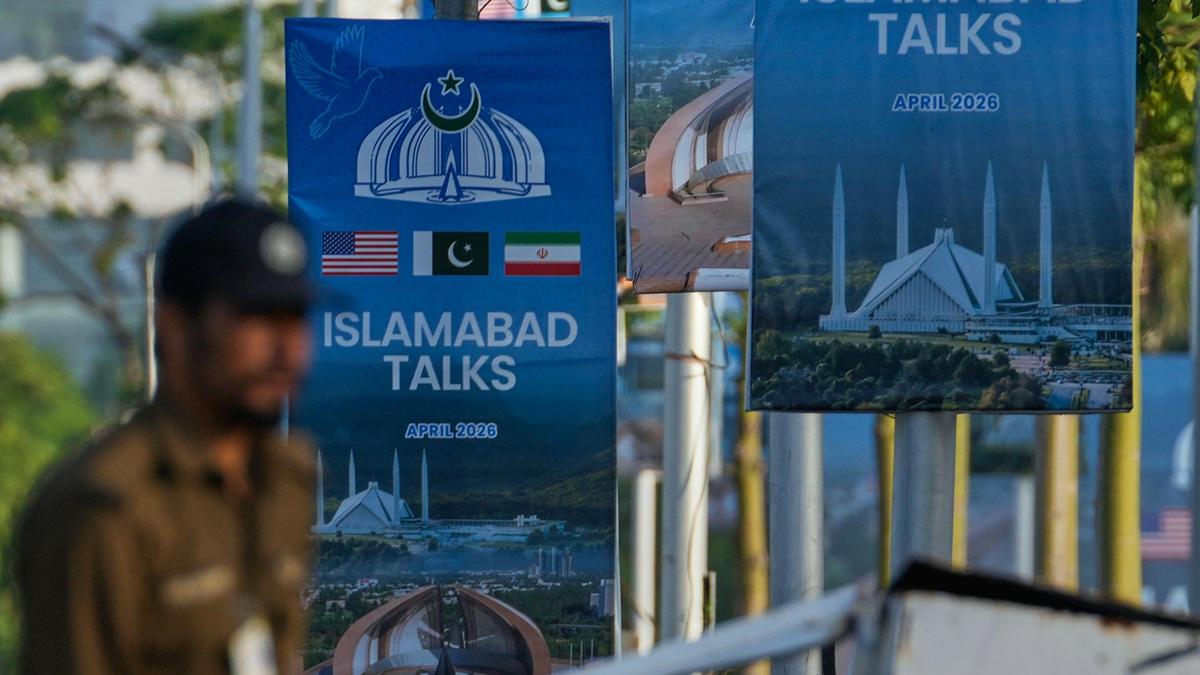
The headlines are doing what they always do: confusing movement with progress. On Sunday, the Pakistani government began peeling back the heavy-duty security layers in Islamabad and Rawalpindi, reopening the arterial roads that have been choked for a week. The mainstream narrative is that this is a "return to normalcy" because the immediate threat of a logistics nightmare has passed.
That is a lie.
The easing of restrictions isn't a victory for the residents of the twin cities; it is the physical manifestation of a massive diplomatic collapse. We aren’t opening the roads because we succeeded; we are opening them because the Americans and Iranians aren’t even willing to sit in the same zip code anymore. When Iranian Foreign Minister Abbas Araghchi flew out for Oman on Saturday night without waiting for the U.S. envoys, he didn’t just leave a gap in a schedule. He signaled that the Pakistani "good offices" have officially hit a brick wall.
The Security Theatre of the Red Zone
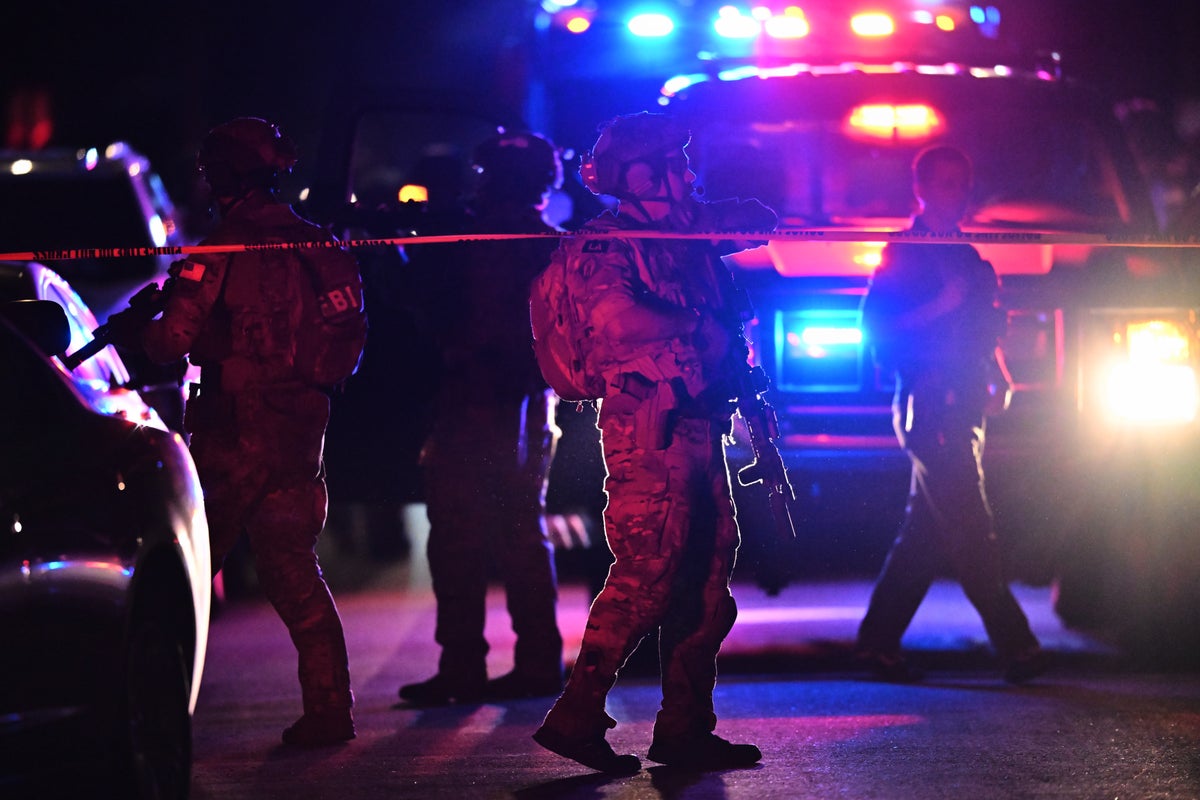
For the past week, 10,000 security personnel turned Islamabad into a high-walled fortress. This wasn't about protecting the public. It was about the Pakistani state auditioning for the role of the world’s indispensable middleman. I have seen this script before. The state shuts down the economy, traps its workers in gridlock, and forces universities into the digital void of online classes, all to prove it can provide a "sterile environment" for two superpowers who despise each other.
The "lazy consensus" suggests that these measures were a necessary evil for peace. Logic dictates otherwise. If the peace talks had any real substance, the security wouldn't be "eased" on a Sunday afternoon—it would be intensified to facilitate a breakthrough. Instead, Donald Trump called off Steve Witkoff and Jared Kushner because the Iranian offer was, in his words, "inadequate."
We traded a week of GDP, disrupted the education of thousands, and pushed an already fragile economy toward the cliff—all for a meeting that was canceled via a social media post.
The Real Cost of "Normalcy"
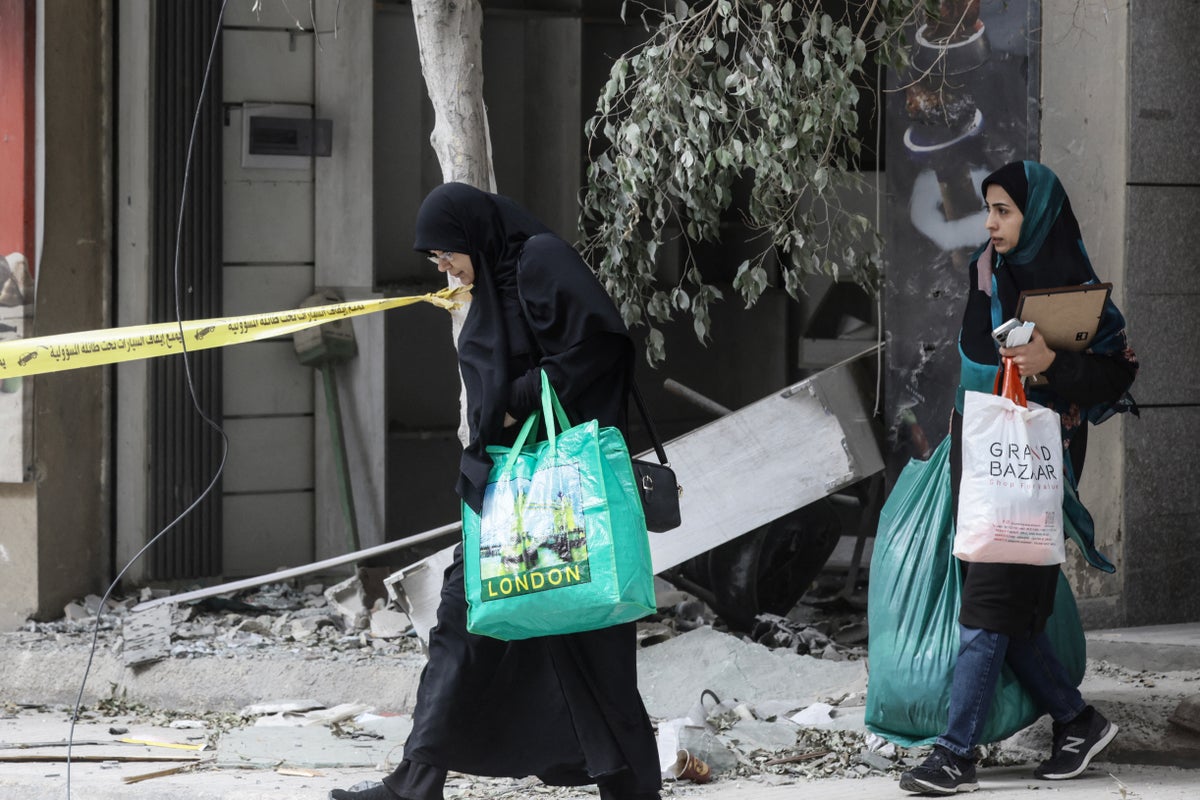
Let’s talk about the "normalcy" the media is celebrating. Trucks carrying medicines and perishables are finally entering the cities. This isn't a relief; it’s a desperate attempt to patch a self-inflicted wound.
Pakistan’s inflation is already locked in double digits. Petrol prices have soared past Rs 450 per litre. When the state decides to paralyze its own administrative heart for a diplomatic gamble that fails, it isn't just a political "whoops." It is an economic crime. Every hour a logistics truck sat idling at a checkpoint near Chungi No. 26, the price of the onions and life-saving drugs inside ticked upward.
The status quo says: "We must sacrifice for the global stage."
The contrarian reality says: "The global stage just laughed at your sacrifice."
The Mediation Myth
The premise that Pakistan is the "key mediator" is a comforting delusion for the local elite. While Araghchi calls the visit "fruitful" on X, his actions speak louder than his hashtags. He shared a list of demands and then left. He didn’t wait. He didn’t compromise. He moved the goalposts to Oman and then Moscow.
Pakistan is being used as a convenient neutral ground for posturing, not a theater for resolution. The U.S. and Israel attacked Iran on February 28; the retaliations have already scorched the Gulf. To think that opening the Islamabad Expressway will somehow grease the wheels of a peace deal while the Strait of Hormuz is being choked is peak geopolitical naivety.
The Education and Economic Aftermath
University administrators are scrambling to announce physical classes for Monday. They are acting as if the "disruption" was a temporary weather event. It wasn't. It was a week of lost human capital in a country that cannot afford a lost hour.
Imagine a scenario where the state valued the daily wage of a Rawalpindi delivery driver as much as the optics of a motorcade. If the government had prioritized internal stability over the faint hope of a Kushner-Araghchi handshake, the "restrictions" would never have been this total.
We are seeing a trend where the Pakistani state manages the symptoms (traffic) while the disease (economic and diplomatic irrelevance) goes untreated. Easing the lockdown isn't a sign that the crisis is over; it's proof that the primary strategy—mediation—has stalled out.
The Brutal Truth
The "People Also Ask" columns will soon be filled with: "When will the next round of US-Iran talks happen in Islamabad?"
The honest answer? It shouldn't matter to you.
The real question you should be asking is: "Why is my city’s mobility tethered to a conflict 1,000 miles away?"
If you are a business owner in Islamabad, don't celebrate the reopening of the roads. Plan for the next closure. The "ceasefire" is a fragile paper shield. With Trump demanding "unconditional surrender" and Iran testing the U.S. blockade in Hormuz, the twin cities are just one failed negotiation away from another 10,000-man lockdown.
The "return to physical classes" and the "movement of heavy traffic" are mere distractions from the fact that the mediators have been ghosted by both sides. The gates are open because there is no one left to guard the house for.