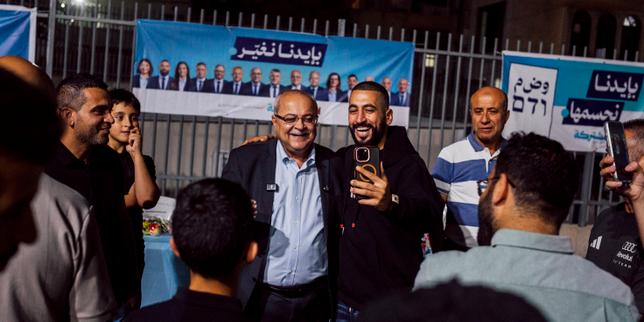
For years, pundits treated Arab voters in Israel like an afterthought—or a bloc doomed to stay on the sidelines. That math broke on October 27, 2026.
During Israel's 2026 legislative elections, Arab citizens turned out in numbers that stunned political analysts and flipped the arithmetic of the 26th Knesset. Two Arab-led lists—the Joint List and Ra'am—walked away with a combined 19 seats out of 120, shattering the previous record of 15 seats. Suddenly, the question isn't whether the Arab minority can influence the vote. It's whether any prime minister can govern without accounting for them.
When I look at the numbers from late October, what stands out isn't just the seat count. It's the sheer energy behind it. Overall national turnout hit 77.98%—the highest mark since 1999—and Arab communities drove a massive part of that surge. Researchers at the Israel Democracy Institute highlighted the Triangle region, where 180,629 of 230,512 eligible voters cast ballots. That's a 78.36% turnout rate, up roughly 26 percentage points from the previous election. In Negev Bedouin communities like Tarabin, turnout nearly doubled and Ra'am pulled 93% of the vote after right-wing parties had won majorities in the prior two cycles.
Why did voters who often stayed home suddenly show up? Fear and frustration did heavy lifting. Years of violent crime inside Arab towns, clashes over land and policing, and hardline rhetoric from Benjamin Netanyahu's outgoing coalition pushed people to view staying home as riskier than voting.
How the Seat Math Turned Into a Coalition Puzzle
Counting to 61 in Israel's 120-seat parliament has always been a high-wire act, and 2026 made it even trickier. Netanyahu's right-wing and religious bloc finished with 53 seats. Gadi Eisenkot's Yashar party and its Jewish opposition allies—including Naftali Bennett's Together party and Yair Golan's Democrats—landed on 48 seats. Add the Joint List's 11 seats and Ra'am's 8 seats, and you see why nobody hit a standalone majority.
On November 8, 2026, President Isaac Herzog entrusted Eisenkot with trying to build a government after 67 lawmakers recommended him to lead, compared with 46 for Netanyahu. That 67-seat figure includes the Arab factions. Yet recommending someone for the mandate is the easy part. Turning arithmetic into a functioning cabinet is where things get messy.
- Joint List: Led by Yousef Jabareen (who succeeded Ayman Odeh as Hadash leader in May 2026), this alliance of Hadash, Ta'al, and Balad won 11 seats on 8.80% of the vote. It pushed back against far-right policies, backed equal citizenship, and called for an end to the occupation and a Palestinian state.
- Ra'am: Led by Mansour Abbas, the party won 8 seats on 5.93% of the vote. Abbas built his brand on pragmatic politics after joining the 2021–2022 Bennett-Lapid government and securing major state funding for Arab municipalities.
Why Arab Parties Aren't One Monolith
A common mistake outside observers make is lumping every Arab voter and party into a single bucket. Honestly, the differences inside Arab politics are huge—and they matter right now.
Ra'am operates with an Islamist, socially conservative base and a transactional, problem-solving playbook. Abbas has repeatedly framed his party as a bridge capable of extracting budgets, infrastructure, and crime-fighting resources from whoever holds power. During post-election talks, he even warned against forcing him into an all-or-nothing box, saying he needed room to influence both sides and protect his safety.
The Joint List brings a very different mix together: left-leaning secularists, Arab nationalists, and joint Jewish-Arab activists through Hadash, alongside Ta'al and Balad. They came together partly to avoid wasting votes below the 3.25% electoral threshold—and signed a surplus-vote pact with Ra'am to maximize seat conversions. Even so, their demands around civil equality, policing, and Palestinian rights clash sharply with hawkish voices inside Eisenkot's wider opposition orbit.
As the Royal United Services Institute noted in its November analysis, backing a candidate for the mandate doesn't automatically settle policy terms or cabinet roles. Some opposition figures want direct Arab backing or a safety net from outside the coalition, while others worry about political blowback at home if they rely too openly on Arab lawmakers.
What Comes Next for Voters and Watchers
Watch how coalition bargaining unfolds over Eisenkot's 28-day negotiating window (which can be extended by up to two weeks). Pay close attention to three concrete signals:
- Support vs. abstention: Check whether Ra'am and the Joint List agree to vote for a minority or coalition government, or merely abstain during a confidence vote. That distinction decides how stable any new government can be.
- Concrete policy commitments: Look past speeches for written commitments on violent crime enforcement, municipal budgets, housing permits, and anti-incitement measures.
- Reactions from the right: Watch how Netanyahu's bloc—still holding 53 seats—attacks any cooperation deal, since sharp rhetoric has already been used to paint Arab participation as a threat.
If you're tracking this story, bookmark official Knesset vote tallies and policy agreements rather than relying on early leak-heavy headlines. Power in Jerusalem rarely shifts on a single night, yet 19 seats isn't a fluke you can ignore.