Japan’s industrial engine is sputtering. If you’ve been watching the data coming out of Tokyo, the news isn’t exactly a surprise, but the numbers released today confirm a sobering reality. Factory output dropped 0.5% in March. While that might sound like a minor dip, it’s the fourth straight year of decline for the fiscal period. The culprit isn’t just domestic sluggishness; it’s the shadow of a escalating conflict between Iran and the U.S. that’s starting to choke off global demand.
Most analysts were actually betting on a 1.1% increase. Instead, we got a contraction. When the Ministry of Economy, Trade and Industry (METI) dropped the preliminary report on Thursday, it was clear that the "just-in-time" efficiency we usually praise is becoming a liability. You can’t run a factory if your raw materials are stuck behind a naval blockade or if the price of aluminum spikes 13% in eight weeks.
The Aluminum Trap and the Supply Chain Crunch
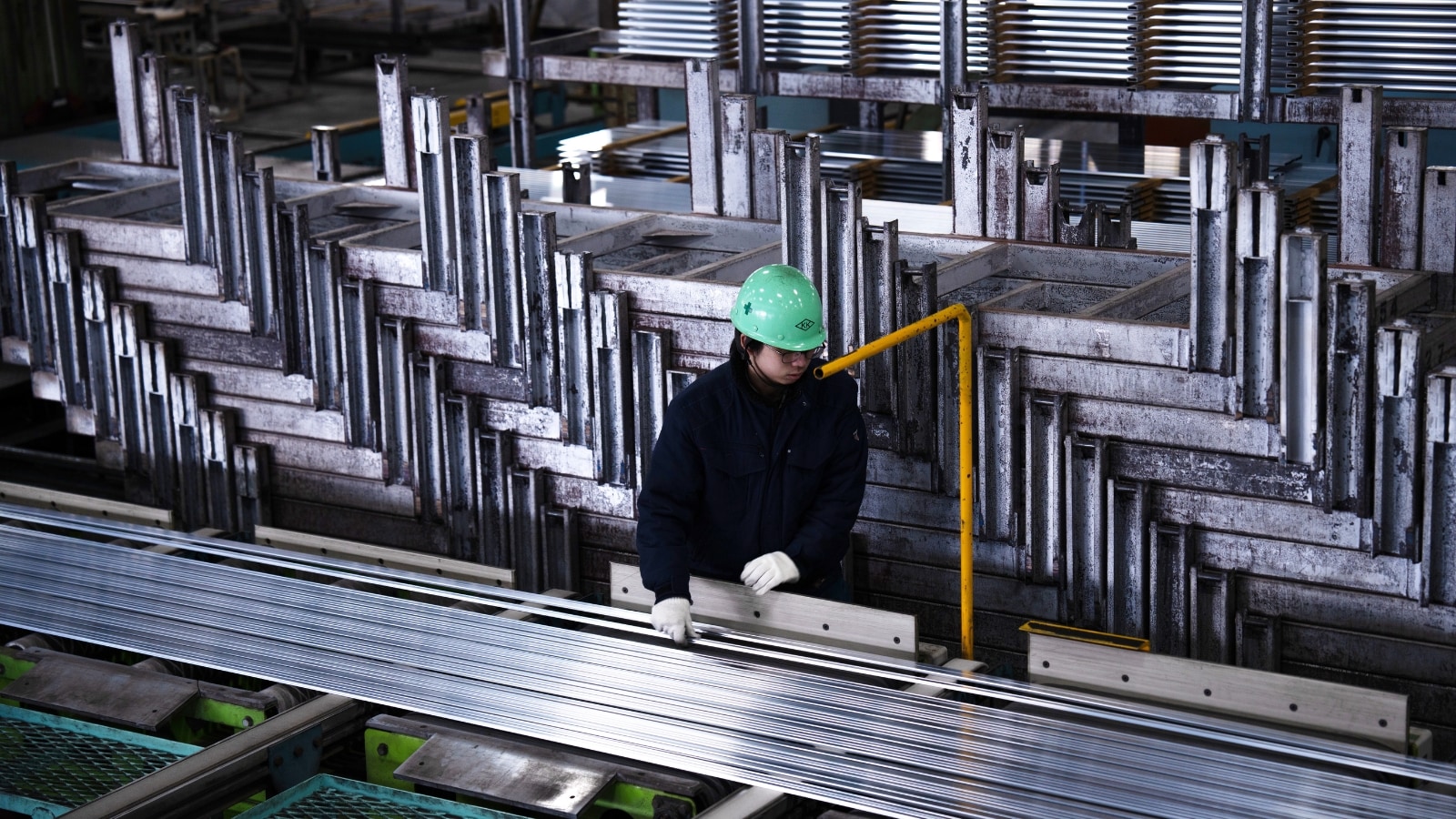
The big story isn't just oil. Everyone talks about crude, but Japan’s manufacturing backbone is built on aluminum. Japanese carmakers get roughly 70% of their aluminum imports from the Middle East. With shipping routes through the Strait of Hormuz effectively severed or under extreme risk, companies like Toyota and Denso are staring down a supply "black hole."
It’s not a hypothetical problem anymore. In Aichi Prefecture, small and medium-sized firms are already feeling the heat. Some are cutting back production because they simply can't find the metal they need to make wheels or engine parts. Even if a peace deal was signed tomorrow, the backlog in the Persian Gulf is so massive it’ll take months to clear.
Why the Global Demand Outlook is Dimming
Japan exports what the world wants when times are good—cars, high-end electronics, and specialized machinery. But war in the Middle East does two things to global buyers: it makes them broke and it makes them nervous.
- Energy Inflation: Brent crude trading at $120 a barrel acts like a massive tax on every consumer in Europe and North America. When people spend more at the pump, they don't buy a new Nissan.
- Yen Weakness: The Yen recently broke the ¥160 mark against the dollar. Normally, a weak Yen helps exporters. But right now, it’s just making the cost of imported raw materials—like that scarce aluminum—astronomically expensive. It's a double-edged sword that’s cutting deeper on the import side.
Eight of the fifteen sectors METI tracks saw a drop in output. Chemicals and petroleum products took the biggest hits. It's a ripple effect: the war pushes up oil prices, which makes chemical production more expensive, which then raises the cost of everything from plastic components to paint.
What Manufacturers Are Doing to Survive
I’ve seen this play out before, but the scale this time feels different. Japanese firms usually keep about two months of inventory. We’re reaching the end of that buffer. If the conflict doesn't de-escalate by May, you're going to see more "temporary" factory shutdowns that look a lot more permanent.
Companies are scrambling for "China speed" or looking to Australia for supplies, but you can't just flip a switch on a supply chain that has been optimized over decades. The reality is that Japan is the most vulnerable nation to these specific Middle Eastern disruptions. While the U.S. can rely on domestic or Canadian supply, Japan is out on a limb.
The Numbers You Need to Watch
- 0.5%: The drop in industrial production for March 2026.
- ¥160+: The current exchange rate of the Yen against the USD, adding to import pain.
- 13%: The jump in aluminum prices since the hostilities kicked off in February.
- 4 years: How long Japan's annual industrial output has been on a downward trend.
If you’re looking for a silver lining, METI’s survey of manufacturers suggests a 2.1% bounce in April. But honestly, that feels optimistic. Those forecasts were made before the latest round of drone strikes on regional refineries.
What You Should Do Now
If you're managing a supply chain or investing in Japanese equities, stop looking at the top-line GDP and start looking at inventory ratios.
- Diversify your suppliers: If 70% of your raw materials come from one volatile region, you’re not "optimized"—you’re exposed.
- Watch the Yen-Crude correlation: If the Yen stays weak while oil stays high, Japanese margins will continue to evaporate.
- Audit your Tier 2 and Tier 3 suppliers: Your main factory might be fine, but if the small firm in Aichi making your specialized bolts runs out of aluminum, your whole line stops.
The era of "safe" global trade is over for now. Japan's factory floor is just the first place where the floor is starting to give way.