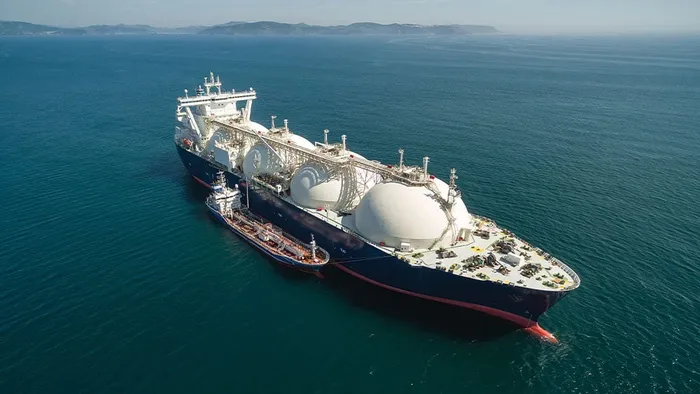
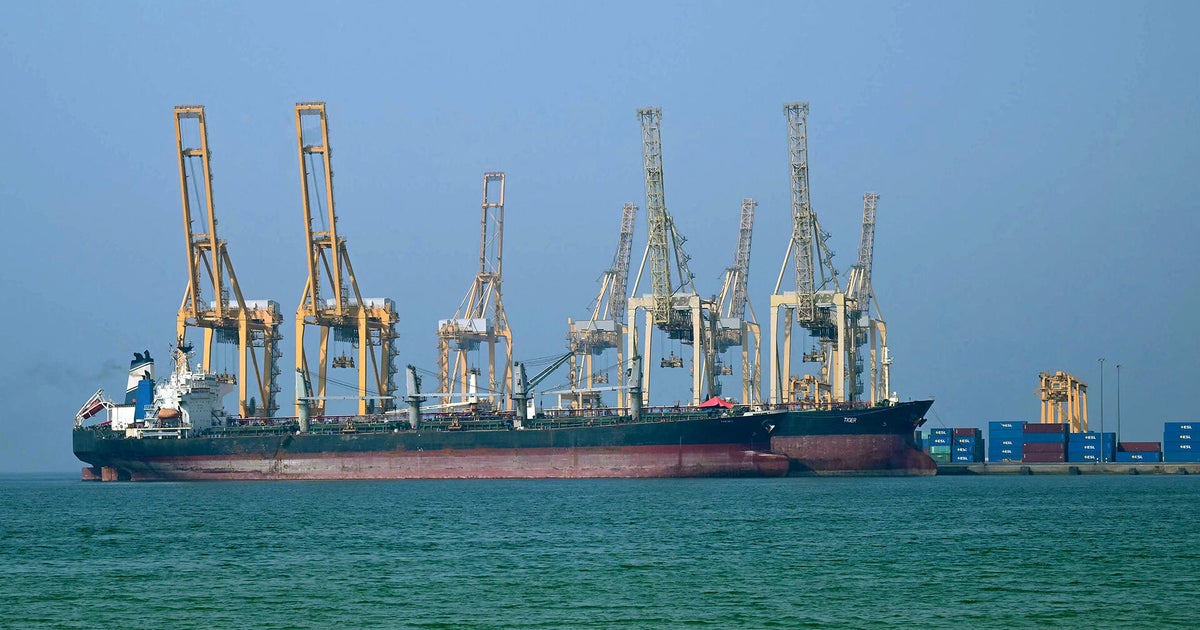
The headlines are shouting victory. The Strait of Hormuz is back in business. Shipping lanes are breathing again. The mainstream financial press wants you to believe the "jet fuel crisis" is over because the gate is open.
They are lying to you. Or worse, they are incompetent.
The reopening of a physical choke point does nothing to fix a structural decay that has been rotting the aviation energy sector for a decade. We aren’t on the brink of a shortage; we are living through a permanent shift in the chemistry of global logistics. If you’re waiting for prices to "normalize" because tankers are moving through a 21-mile-wide strip of water, you’ve already lost.
The Refinement Trap
Markets fixate on crude oil. It’s a primitive metric. You can have a sea of light sweet crude and still have planes grounded at Heathrow.
The crisis isn't about the availability of oil. It’s about the crack spread—the difference between the price of crude and the petroleum products extracted from it. We have spent the last eight years shuttering complex refineries in favor of simpler setups or "green" transitions that aren't ready for prime time.
I’ve watched airlines hedge their bets on crude prices while completely ignoring the fact that global desulfurization capacity is cratering. You don't burn crude in a GE9X engine. You burn highly specific, middle-distillate kerosene. When the Strait closed, it was a convenient scapegoat. Now that it’s open, the industry is about to realize the bottleneck isn't a geographic coordinate; it’s a lack of steel in the ground at the refineries.
The Myth of Just In Time Aviation
The "lazy consensus" suggests that global supply chains are elastic. They aren't. They are brittle glass.
The reopening of Hormuz is a psychological band-aid. The reality is that the logistical tail for jet fuel is months long. A ship moving through the Strait today won't impact the pump at JFK for weeks. Meanwhile, the inventory levels in the ARA (Amsterdam-Rotterdam-Antwerp) hub are at decade-level lows.
Think of it this way:
- The Competitor View: Flow equals stability.
- The Reality: Flow into an empty bucket doesn't create a surplus. It barely maintains the void.
We are seeing a massive "backwardation" in the market—where the current price is higher than the future expected price. This discourages storage. Why would a trader hold fuel in a tank if it’s worth less tomorrow? They won't. This means we are flying with zero margin for error. One refinery strike in France or a pipeline glitch in New Jersey, and the "reopened" Hormuz becomes irrelevant.
Why Sustainable Aviation Fuel is a Distraction
Every time the jet fuel market spikes, some executive starts talking about Sustainable Aviation Fuel (SAF).
Stop.
SAF currently accounts for less than 0.1% of global jet fuel consumption. Promoting it as a solution to a supply crunch is like trying to put out a forest fire with a water pistol. It’s corporate theater. The energy density requirements for long-haul flight mean we are tethered to hydrocarbons for the foreseeable future.
The push for SAF has actually worsened the current shortage. Capital that should have gone into maintaining traditional kerosene hydrocrackers has been diverted into ESG-compliant vanity projects. We are starving the reliable system to feed a prototype that can't scale.
The China Factor No One Mentions
While Western analysts stare at the Middle East, they are missing the real power move. China has been aggressively expanding its refining capacity. They aren't just looking to meet domestic demand; they are positioning themselves as the world’s gas station.
When the West shuttered refineries during the 2020 downturn, China kept building. By the time the Strait of Hormuz "reopened," the leverage had already shifted. We are moving toward a world where the US and Europe are net importers of refined jet fuel from the East.
If you think a reopened Strait solves the problem, ask yourself: Who owns the fuel on those ships? Increasingly, it’s state-backed entities that use energy as a geopolitical scalpel. Physical access to the water is meaningless if you don't own the molecules.
The Cost of Being Wrong
If you are a corporate travel buyer or a logistics manager, ignore the "stability" narrative.
- Assume $120/bbl is the Floor: Not for crude, but for the effective cost of jet fuel after refining premiums.
- Short-Term Volatility is the New Baseline: The "reopening" will trigger a brief sell-off. Use that dip to lock in long-term contracts. The bounce-back will be violent.
- Regionalize Your Supply: If your fuel is coming from a refinery three time zones away, you don't have a supply chain; you have a prayer.
Imagine a scenario where a major carrier tries to capitalize on the "reopening" by expanding its summer schedule, only to find that the local refinery can't keep up with the specific gravity requirements of their new fleet. They’ll be canceling flights while tankers sit full in the Persian Gulf. It’s already happened twice this year in regional hubs. It will happen on a global scale by Q4.
The Illusion of Resolution
The Strait of Hormuz is a distraction for the mathematically illiterate. It’s a shiny object for cable news.
The real crisis is a terminal lack of investment in middle-distillate production and a delusional reliance on "just-in-time" delivery for a commodity that takes months to move. The gates are open, but the shelves are still empty.
Stop celebrating the reopening. Start worrying about why you ever thought a narrow strip of water was the only thing standing between you and a total collapse of the aviation sector.
The shortage isn't coming. It’s here. It’s structural. And it’s permanent.
Bet on the bottleneck, not the breakthrough.