Goaltending usually dictates how a tight NHL game swings in the first ten minutes. When Joonas Korpisalo steps into the crease for the New York Rangers against a heavy-shooting team like the Calgary Flames, the margin for error drops fast. You don't win these matchups by trading odd-man rushes or hoping your power play bails you out in the third period. You win them because your netminder absorbs early chaos and lets the skaters find their legs.
That's exactly what happened when the Rangers defeated the Flames. Most casual fans look at the final box score, see a couple of third-period goals, and assume the offense carried the night. They're wrong. The real story started in the opening frame, where Korpisalo set the tone by shutting down Calgary's early push and turning potential momentum killers into routine whistle stoppages.
What Most Fans Missed About Korpisalo's Start Against Calgary
Calgary likes to play north-south hockey with plenty of traffic around the blue paint. If you give their forwards clean second chances on rebounds, you're going to spend sixty minutes chasing the game. Early on, the Flames tested Korpisalo with shots through screens and quick deflections from the high slot.
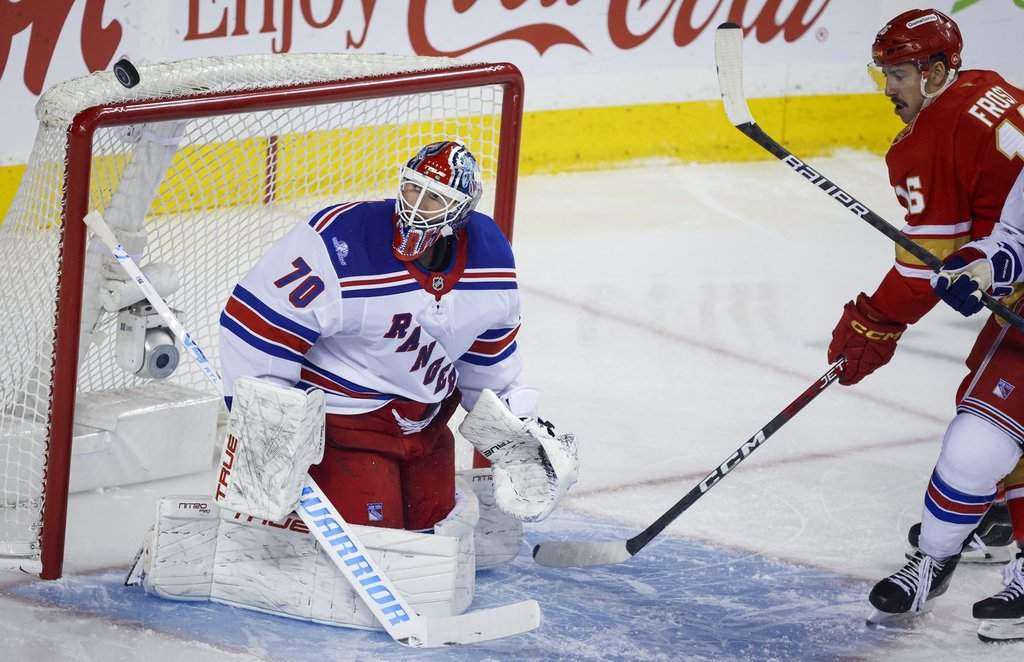
He didn't flinch. Instead of kicking rebounds straight back into the danger zone, Korpisalo swallowed pucks against his chest and controlled his angles. That calm body language spreads through a bench immediately. Defensemen stop gripping their sticks quite so tightly when they know the guy behind them isn't panicking on routine point shots.
Hockey analytics back up what the eye test shows here. According to tracking data from Natural Stat Trick, high-danger scoring chances in the first period often dictate whether a road team or a pressured home squad can stick to its structure. When a goalie posts a clean opening twenty minutes against high-danger looks, forwards feel freer to forecheck aggressively rather than cheating back into their own zone.
The Difference Between Flashy Saves and Structural Control
People love highlight-reel glove snags. Coaches love boring, square-to-the-shooter positioning.
Korpisalo gave the Rangers the second kind of performance. By challenging shooters at the top of the crease and retreating smoothly on lateral passes, he took away the short-side openings Calgary's wingers normally exploit. Whenever the Flames tried to cycle low-to-high, Korpisalo tracked the puck cleanly through bodies, leaving very little room for greasy tap-ins.
How New York Turned Goaltending Stability Into Offensive Pressure
Once the Rangers realized their crease was locked down, their transition game opened up. You can't generate speed through the neutral zone if your defensemen are stuck defending forty-second shifts in their own end. Because Korpisalo froze pucks and limited extended zone time, New York's blueliners could retrieve dump-ins and hit their wingers in stride.
Here's how that shift played out across the ice:
- Cleaner zone exits: Defenders took an extra half-second to make tape-to-tape outlet passes instead of blindly ringing the puck off the glass.
- Sustained forechecking: With fresh legs entering the offensive zone, New York's forwards pinned Calgary's bottom pairings deep and forced icings.
- Special teams discipline: Staying out of the penalty box kept Calgary's power play off the ice and preserved the Rangers' five-on-five rhythm.
Honestly, that's the blueprint for winning tough non-conference matchups. Calgary thrives when games get sloppy and emotional. By keeping the pace structured and leaning on disciplined neutral-zone gaps, New York slowly suffocated the Flames' rush offense.
Why Matchups Against the Flames Require Patience
Playing Calgary isn't like playing a track-meet team from the Metropolitan Division. The Flames pride themselves on puck battles along the half-wall and heavy point shots that create broken plays. If a team gets frustrated after one scoreless period and starts forcing cross-ice passes through the slot, Calgary turns those turnovers into immediate counterattacks.
New York avoided that trap completely. Even when scoring chances were scarce early, the Rangers stuck to simple plays—chipping pucks behind Calgary's defense, winning retrieval battles, and getting bodies to the net front.
When a team trusts its goaltender, patience becomes much easier to preach on the bench. Nobody feels the urge to cheat for offense when the scoreboard stays level and your goalie looks completely dialed in.
The Hidden Value of Rebound Management
If you ever watch film with a professional goalie coach, they spend half the session talking about where missed shots and saves end up. A save that bounces right onto an opponent's tape in the slot is barely better than letting the puck cross the line.
Korpisalo's rebound control against Calgary stood out because he consistently steered low shots into the corners. That single detail saves defensemen from having to cross-check big bodies out of the crease every whistle. Over three periods, saving your top four defenders from that physical toll pays massive dividends in the final ten minutes of regulation.
What This Performance Means Going Forward
One strong outing doesn't guarantee an easy stretch of the schedule, especially in a league where back-to-back sets and travel fatigue test every roster. Still, performances like this establish a clear standard inside the locker room.
For the Rangers, the formula is straightforward. When the goaltending provides calm, predictable coverage from the opening puck drop, the rest of the lineup has the talent to wear opponents down over sixty minutes. Keep tracking how New York manages first-period shot quality in their upcoming games—if they protect the middle of the ice and let their netminder see the first shot cleanly, they'll continue banking points against heavy-checking clubs like Calgary.