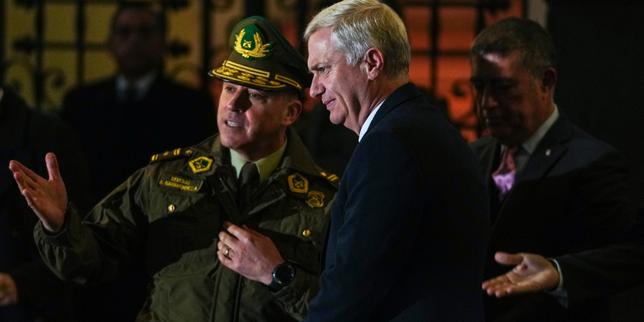
Chilean politics just hit another boiling point. President José Antonio Kast signed a high-stakes constitutional reform bill aimed squarely at tackling organized crime and terrorism, but it immediately crashed into a wall of cross-partisan resistance. Lawmakers across the political spectrum are crying foul, labeling the measures as dangerously illiberal. When even center-right politicians start arguing that executive powers cross a constitutional line, you know the administration has a serious problem on its hands.
Security is the ultimate political currency in Chile right now. Citizens are terrified of rising crime rates, extortion, and cartel-style violence. Kast rode this anxiety straight to the presidency, promising an iron-fist approach. But turning campaign rhetoric into constitutional reality is proving messy. The core of the backlash centers on how much power the executive branch grabs during states of exception, particularly provisions that critics say leave citizens vulnerable to unchecked authority over extended periods. Senator Luciano Cruz-Coke from the Evópoli party didn't mince words, pointing out that certain clauses quite literally border on illiberalism.
The administration insists these drastic measures are non-negotiable. Officials argue that normal democratic tools cannot defeat transnational criminal syndicates. Without absolute security, they claim, all other civil liberties are just an illusion. It is a classic safety-versus-freedom trade-off. Yet, critics across the aisle see a slippery slope. Giving the state broad latitude to detain suspects, bypass standard judicial oversight, or stretch emergency powers for up to 240 days without proper checks feels less like law enforcement and more like authoritarian creep.
This legislative standoff exposes deep cracks in the governing coalition's strategy. Kast already swapped out his security ministers, trying to find someone who can muscle tough policies through a fractured Congress. It isn't working smoothly. The executive branch finds itself politically cornered, lacking the broad consensus needed to push heavy constitutional changes across the finish line without alienating moderate allies.
If you are watching Latin American governance, this fight offers a clear window into the modern populist dilemma. How far can a democracy bend its own rules to protect itself before it breaks? Kast wants a swift victory against crime, but Chile's institutional checks and balances are pushing back hard. Expect prolonged legislative trench warfare as the administration tries to salvage its flagship security package.
Security and Constitutional Reform: Full Interview with Arturo Squella
This interview breaks down the internal defense of the constitutional reform directly from conservative leadership involved in drafting the security agenda.