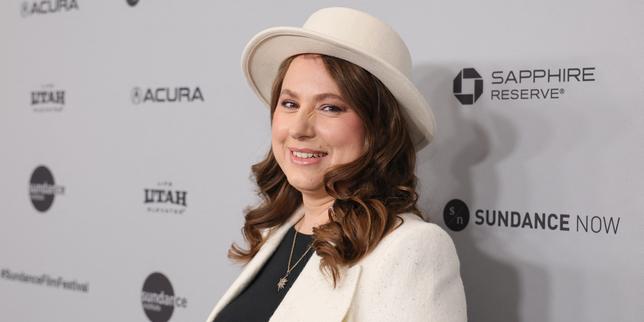
Offering the presidency of a country to a chess grandmaster sounds like a gimmick. When Hungary's fresh Prime Minister Péter Magyar announced he wanted Judit Polgár to take the role, it looked like a brilliant strategic opening. Polgár isn't just any chess player; she is the undisputed greatest female player to ever live, a household name who crushed the sexist chess establishment as a teenager and has zero political baggage.
The move was supposed to signal a clean break from the dark era of Viktor Orbán. Instead, Polgár declined the offer less than twenty-four hours later.
Her refusal reveals a lot about the brutal, fragmented reality of modern Hungarian politics. Magyar wanted a symbol of unity, but Polgár saw through the board. She realized that in a deeply polarized nation, some games are impossible to win, even for a super grandmaster.
The Setup and the Sacrifice
Péter Magyar, who swept into power ending sixteen years of Orbán's rule, has been moving fast to dismantle the old regime. His centrist Tisza party just pushed through a radical constitutional amendment that essentially evicted Tamás Sulyok, the president appointed under Orbán. Magyar labeled Sulyok a puppet. To show he wasn't just replacing one political crony with another, Magyar floated Polgár's name. The idea actually originated from an open letter signed by sixteen prominent Hungarian figures, including Ernő Rubik, the creator of the Rubik's Cube.
On paper, it made total sense. The presidency in Hungary is largely ceremonial, focused on international diplomacy and domestic cohesion. Polgár has global respect. She has spent her retirement focused on educational programs and pushing chess into schools.
But Magyar's rush to nominate her exposed a glaring contradiction.
He promised a full public consultation before choosing a head of state. Then, hours later, he blindsided everyone by announcing his intention to meet Polgár and offer her the job. Think tanks and rights groups immediately flamed the move, pointing out that rushing through major constitutional adjustments felt a little too much like the authoritarian tactics of the Fidesz government they just replaced.
Why Polgár Chose to Walk Away
Polgár didn't leave anyone guessing. She took to Facebook to turn down the nomination directly. Her explanation was candid, devoid of typical political doublespeak. She stated that she didn't feel enough strength within herself to take on the historic responsibility of uniting a deeply divided nation.
That's an incredibly honest admission. It's also a subtle critique of the toxic political climate.
Polgár spent her entire life operating in a world governed by strict, logical rules. Hungarian politics right now is the exact opposite. It's chaotic, vindictive, and intensely polarized. By stepping into the presidency—even an interim one meant to last only until a new constitution is drafted—she would have been dragged into the mud.
Orbán's loyalists would have instantly targeted her, painting her as Magyar's token celebrity. Her legendary status would have been used as a shield for the government's aggressive legislative overhauls. She chose to preserve her integrity and her life's work rather than become a pawn in a larger constitutional war.
The Real Fallout for Péter Magyar
This refusal is a massive reality check for the new Prime Minister. Magyar's victory was built on the promise of swift, clean "regime change". He wants to rewrite the constitution and loosen Orbán's lingering grip on the state machinery. But finding consensus figures who are actually willing to hitch their wagon to his aggressive agenda is proving difficult.
If someone as universally admired as Judit Polgár feels that the nation is too broken to heal, it shows just how deep the scars of the last two decades run. Magyar can't just rely on star power or bold announcements to fix a fractured society.
The next move is entirely on him. He has to find a nominee who can handle the immense heat of a transitioning democracy without alienating a skeptical public. For now, the seat remains empty, and the political chessboard in Budapest looks more complicated than ever.