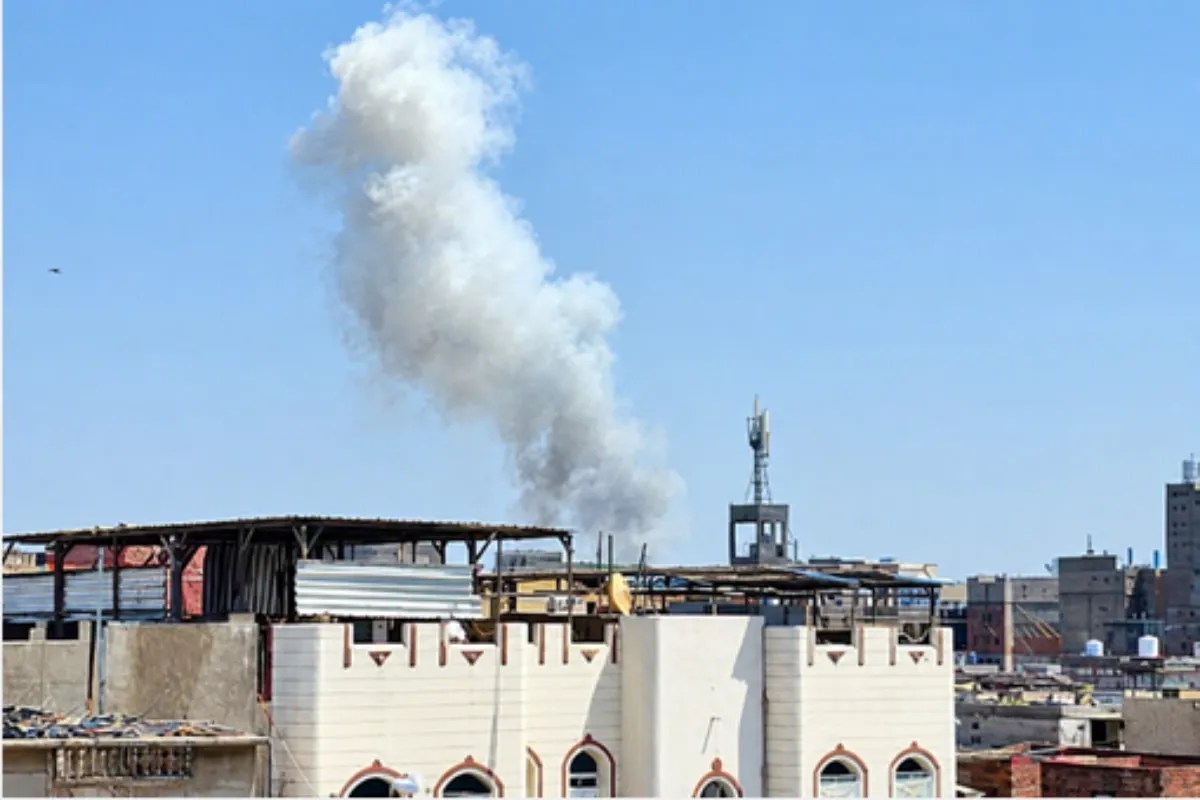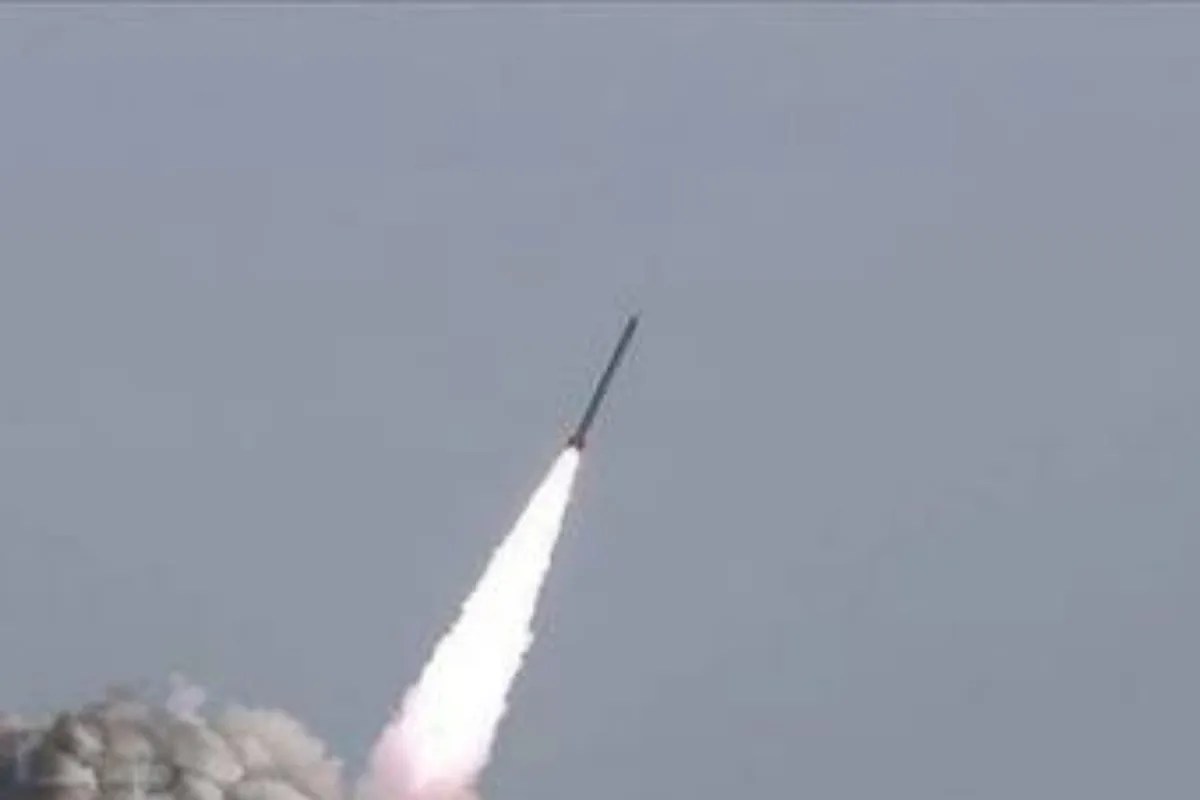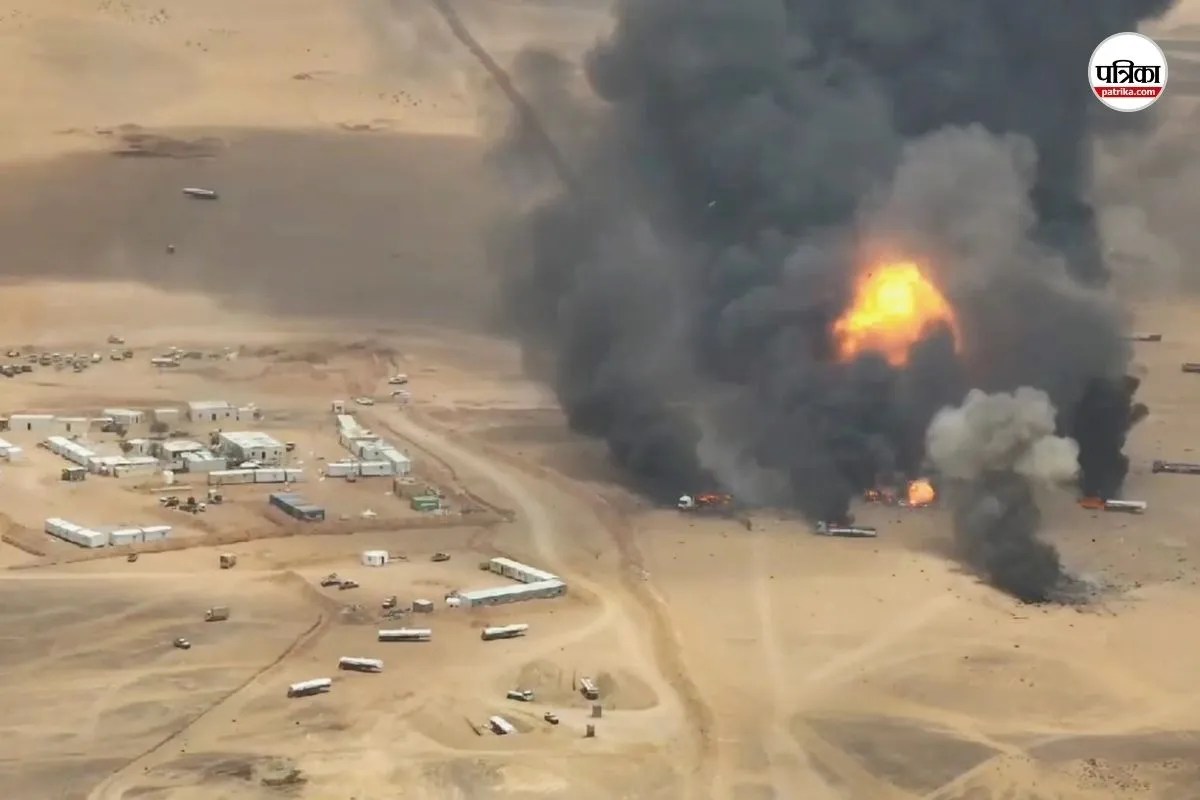
The warning did not arrive as a polite diplomatic note through traditional consular channels. It landed on the phones of Indian citizens across the Kingdom with the cold, jarring precision of an emergency broadcast. Saudi Arabia had issued a strict security advisory urging Indian nationals to exercise extreme caution and remain indoors as Houthi drone and missile strikes escalated sharply along the southern corridors.
For the millions of expatriates who keep the infrastructure of the Arabian Peninsula running behind the scenes, the notice was a stark reminder of a grim reality. Security guarantees in the Gulf are fragile. Geopolitical flashpoints that begin hundreds of miles away in the rugged mountains of Yemen do not stay contained. They travel through the stratosphere on delta-wing drones, threatening residential quarters, industrial hubs, and diplomatic enclaves alike.
This vulnerability forces a hard look at the mechanics of labor migration, consular protection, and the constant security calculus facing foreign workers in volatile regions.
The Invisible Engine Under Threat
Expatriate workers form the demographic backbone of the Gulf Cooperation Council economies. Citizens from India represent the largest single foreign community in Saudi Arabia, numbering over two and a half million individuals. They span the socioeconomic spectrum. From white-collar engineering consultants in Riyadh and finance directors in Jeddah to blue-collar construction crews, hospitality staff, and domestic workers spread across every province, their labor fuels the ambitious modernization programs reshaping the desert.
Yet, this massive presence operates on a precarious equilibrium. When regional hostilities flare up, the structural asymmetry of geopolitical conflict becomes glaringly apparent.
The Houthi movement, backed by regional sponsors and equipped with increasingly sophisticated long-range loitering munitions and ballistic missiles, views Saudi economic assets as primary targets. Because infrastructure projects, oil refineries, airports, and commercial districts are distributed widely across the Kingdom's vast geography, establishing a foolproof shield against saturation attacks remains practically impossible. Even the most advanced missile defense batteries cannot offer a one-hundred-percent interception rate against low-flying, carbon-composite drones designed to evade radar.
When interception debris rains down on suburban neighborhoods or industrial compounds, the distinction between military targets and civilian housing dissolves completely.
Anatomy of an Emergency Advisory
Consular advisories serve a dual purpose. They are designed to protect citizens, but they also function as diplomatic signals that a situation has crossed a critical threshold of volatility.
When the Indian Embassy in Riyadh and the Consulate General in Jeddah broadcast alerts instructing nationals to avoid non-essential movement and monitor local security updates, they are reacting to real-time intelligence feeds indicating heightened threat vectors. These directives are rarely issued lightly. They reflect intercepted communications, tracking data on incoming projectiles, and assessments from regional security partners.
For an ordinary worker living in a shared apartment complex in Khamis Mushait, Abha, or even the sprawling capital, the advisory transforms daily life instantly. The routines of commuting to a job site, shopping for groceries, or sending children to school become exercises in risk management.
Trust in physical safety erodes when the sky overhead transforms from a benign expanse into a potential vector for high-speed ordnance.
The immediate economic impact is equally severe. Construction sites slow down, shift schedules are disrupted, and panic ripples through family WhatsApp groups thousands of miles away in Kerala, Uttar Pradesh, and Bihar. Relatives watching cable news broadcasts from New Delhi see footage of intercepted missiles lighting up the night sky and immediately flood their expatriate family members with frantic calls. The psychological toll on the diaspora is immense, compounding the physical dangers with acute anxiety.
The Broader Geopolitical Chessboard
To understand why Indian nationals find themselves on the front lines of a regional proxy war, one must examine the complex web of diplomatic relations tying New Delhi to the Middle East.
India has carefully cultivated strategic and economic partnerships across the entire Gulf region, balancing ties with Saudi Arabia, the United Arab Emirates, and regional adversaries simultaneously. This pragmatic foreign policy has yielded massive bilateral trade agreements, robust energy security cooperation, and vital counter-terrorism intelligence sharing.
However, success in high-level diplomacy does not shield the individual migrant worker from the collateral damage of local conflicts.
The Houthi campaign against Saudi targets is fundamentally an attempt to inflict economic and psychological pain on the Riyadh government to gain leverage at stalled peace negotiation tables. By targeting critical energy infrastructure and population centers, the militant group seeks to demonstrate that the Kingdom's economic transformation projects—its glittering futuristic cities and massive tourism hubs—remain vulnerable to persistent asymmetrical warfare.
Foreign workers are not targeted explicitly because of their nationality; rather, they are omnipresent in every sector that makes the Saudi economy function. Hitting a logistics hub, a desalination plant, or a transport corridor inevitably places expatriate lives in the crosshairs.
The Limits of Consular Rescue
Whenever security deteriorates dramatically, the immediate demand from domestic audiences in the home country is simple: evacuate everyone.
Reality, however, is far more complex. Executing a mass evacuation of two and a half million people is a logistical impossibility. Modern evacuation operations, such as the historic airlifts from Kuwait in 1990 or more recent extractions from Yemen and Sudan, rely on secure airfields, functional ports, and the cooperation of local authorities.
Saudi Arabia is not a failed state sliding into total anarchy. It is a sovereign, heavily armed nation with an active military engaged in defending its borders. The Saudi government takes the safety of foreign nationals seriously because the presence of millions of guest workers is vital to its national stability. Consequently, mass evacuation is rarely a viable baseline response for localized or intermittent missile threats. Instead, the burden falls on shelter-in-place protocols, local security reinforcement, and individual vigilance.
This creates a tense environment where workers must weigh the economic necessity of maintaining their employment against the escalating risks to their personal safety. For many, returning home is not a realistic option because the financial remittances they send back are the sole lifeline for extended families in India. They trade physical security for economic survival, calculating that the probability of a direct hit on their specific building remains lower than the guaranteed hardship of joblessness back home.
Looking Beyond the Sirens
As the dust settles temporarily after each wave of interceptions, the fundamental security dilemma remains unresolved. A sustainable peace in Yemen remains elusive, and as long as regional grievances fester and external arms pipelines stay open, the threat of drone and missile strikes will linger over the southern Arabian Peninsula.
The latest advisory should not be viewed as an isolated incident, but rather as a recurring feature of life in an increasingly multipolar and unstable world. For the Indian diaspora in Saudi Arabia, resilience has always been a prerequisite for survival. They built the modern infrastructure of the Gulf with their sweat and skill, enduring extreme heat, bureaucratic hurdles, and economic shifts.
Now, they navigate a new era where the battlefield reaches straight into the suburbs, and the daily commute requires watching the sky as much as the road ahead.