The descent into La Baule-Escoublac Airfield is usually a beautiful one. On a late June afternoon, the Atlantic coast of western France stretches out like a ribbon of pale silk against the deep blue of the ocean. The air is warm, the kind of weather that draws pilots from all across Europe to the seaside resort town for its weekend airshows.
On Friday, June 19, 2026, a twin-engine, eight-seat Cessna 421 Golden Eagle glided through that coastal air. Inside were two men, both fiercely experienced, both licensed, sharing the quiet focus that defines the final approach.
Then came the turn.
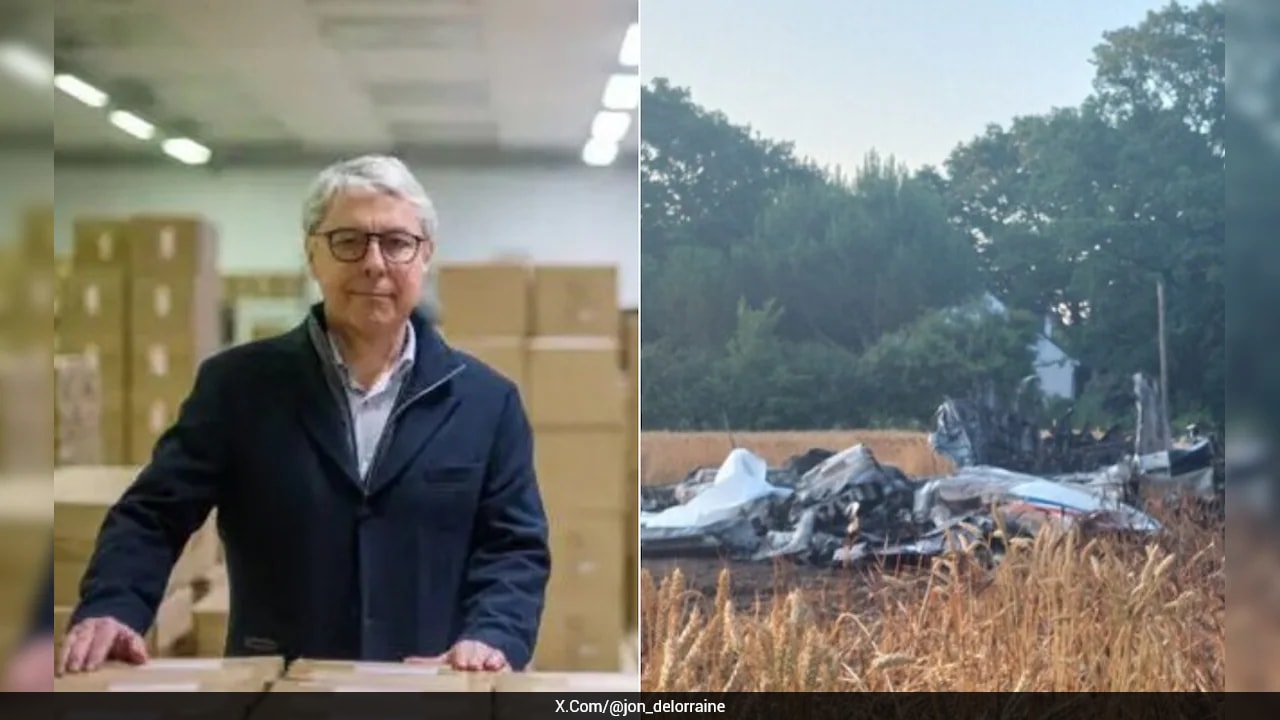
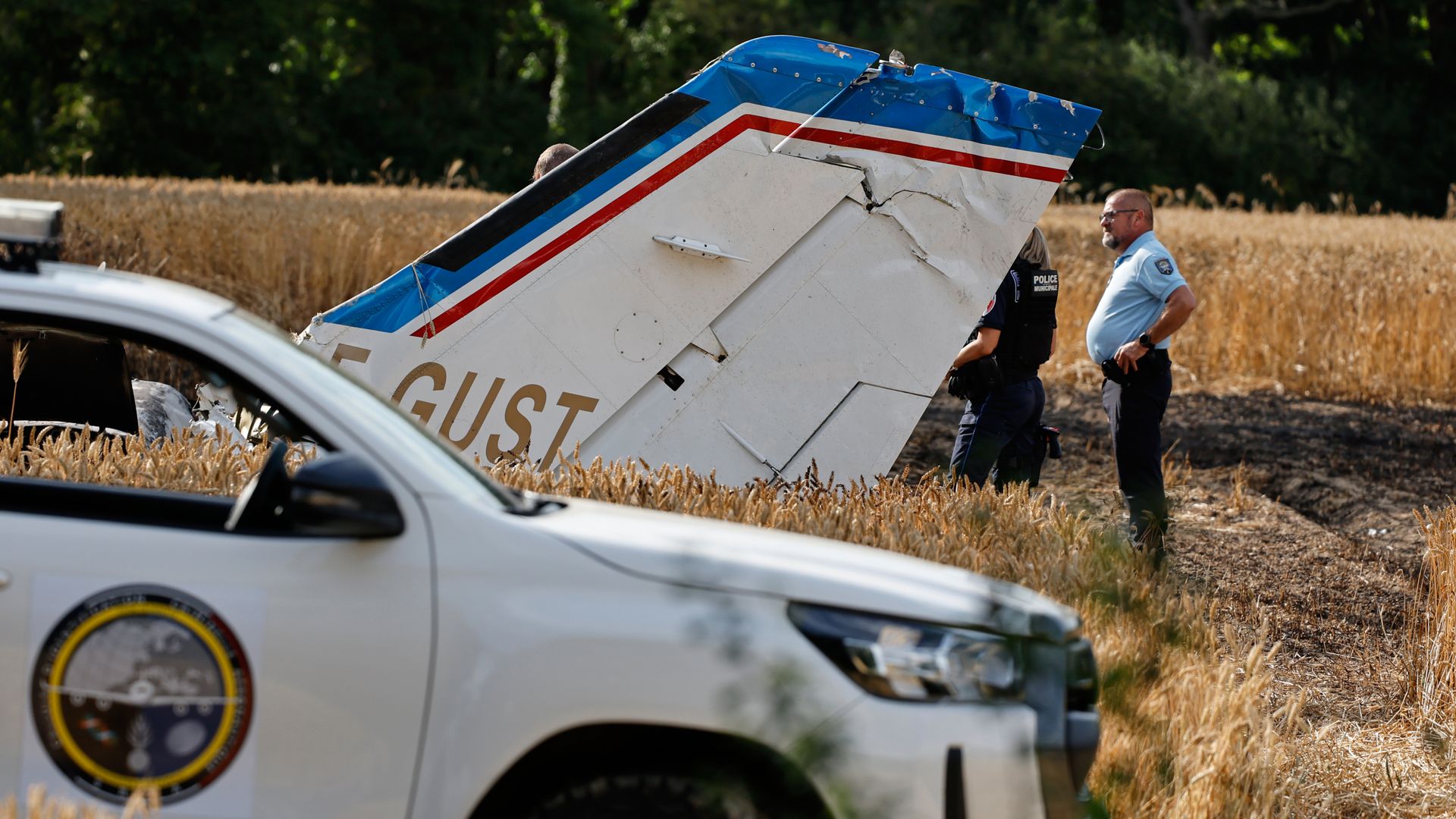
Witnesses on the ground saw the aircraft bank, an unexpected tilt against the sky, before it plunged into a field just short of the runway. In an instant, the peace of the Loire-Atlantique countryside was broken by fire. The impact was total. Sixty firefighters rushed toward the smoke, but their efforts quickly shifted from a rescue mission to containing a brush fire that devoured several football fields worth of dry vegetation.
When the flames were finally put out, the authorities confirmed what the global entertainment industry was dreading. Claude Guillemot was dead at 69. Alongside him lay Marc Guillet, a veteran flight instructor.
The news alerts that followed were predictably uniform. They used words like "industry titan" and listed the commercial triumphs of Ubisoft, the video game empire Claude co-founded with his four brothers in 1986. They mentioned Assassin's Creed, Far Cry, and Tom Clancy. But those cold corporate roll calls miss the actual soul of the story. They mistake the empire for the man who helped lay its bricks.
To understand what was lost in that French field, you have to look past the billions of dollars in revenue and look at a dining room table in Carentoir, Brittany, forty years ago.
The Weight of the Clan
Imagine five brothers sitting in a room, surrounded by the crushing silence of a family farming business that was slowly grinding to a halt in the mid-1980s. The Guillemot family had made their living selling soil, chemicals, and insurance to local farmers. It was honest, heavy, unglamorous work. The future looked bleak.
But the brothers had an obsession.
They saw a strange new light flickering in the basement of youth culture: computers. While the rest of the agricultural region looked at the soil beneath their boots, the Guillemot brothers—Claude, Yves, Michel, Gérard, and Christian—looked at floppy disks. They realized that importing software from the United Kingdom and selling it to eager French teenagers was a far better bet than waiting for the next harvest.
They pooled their resources and founded Ubisoft.
In the decades that followed, their creation became an industrial juggernaut. It altered the global cultural fabric. Millions of people who have never set foot in France know the exact leap of faith an assassin takes from a Florentine tower, or the neon rhythm of a Just Dance routine.
Yet, within this brotherhood of builders, roles were split with calculated precision. Yves became the public face, the CEO who stood on brightly lit stages in Los Angeles and handled the aggressive corporate raiders who frequently tried to steal their company away.
Claude chose a different path.
He was the operational backbone. He was the brother who kept the gears turning while others chased the spotlight. As the long-serving chairman of Guillemot Corporation, he oversaw the hardware, the steering wheels, the joysticks, and the audio gear that bridged the gap between human hands and digital worlds. If Yves was the poet of the family business, Claude was its engineer.
The Sky and the Code
There is a distinct psychology to people who build hardware and fly airplanes. Both disciplines demand an absolute respect for reality. You cannot bluff your way through a faulty circuit board, and you cannot charm your way out of a stallspeed descent. Every detail matters. Every margin of error is razor-thin.
For Claude, the sky wasn't an escape from the pressure of the family empire; it was the ultimate expression of that same quiet, methodical precision. He was a man who found peace in the checklists, the altimeter readings, and the mechanical symphony of a twin-engine Cessna.
That is the bitter irony that hangs over La Baule today.
Flags flew at half-mast at the aerodrome on Saturday morning, fluttering under the same sun that had illuminated the crash site less than twenty-four hours prior. The aviation community in France is small, and the loss of two seasoned pilots hits with a specific kind of grief. Investigators are now sifting through the charred wreckage, analyzing maintenance records and weather data, searching for the mechanical or human flaw that caused that final, fatal turn.
But the corporate world moves at a different, colder pace.
Wall Street analysts will spend the coming weeks calculating the stability of the Guillemot family's voting blocks. They will look at board seats and executive successions. They will treat this tragedy as a variable in a market equation. Ubisoft issued a brief statement on Saturday, asking for privacy and noting with profound sadness that "no further statements will be made at this time." It was the corporate equivalent of drawing the blinds.
Behind those closed blinds, however, is a family that has lost a brother.
The Guillemot success story was never just about business savvy; it was built on an almost mythic level of familial solidarity. When corporate sharks tried to buy them out in the late 2010s, the five brothers stood shoulder-to-shoulder, refusing to sell their shares, fighting back with the fierce loyalty of a Breton clan. They won that war because they trusted each other implicitly.
Now, that line of five has been broken.
The gaming industry is notoriously fickle, defined by fleeting trends, shifting graphics, and anonymous internet discourse. It forgets its pioneers quickly, moving on to the next trailer, the next release date, the next piece of content. But the foundations of that industry were dug by hand, by real people who took terrifying risks when the world thought video games were a passing fad for children.
Claude Guillemot was one of those diggers. He lived a life split between the infinite potential of digital worlds and the heavy realities of aviation mechanics. In the end, it was the physical world that claimed him, leaving a family to mourn a brother, and an industry to realize, perhaps too late, just how much it owed to the man who preferred to stay in the shadows.