The grease on the steering wheel of the 1951 John Deere B does not wash off. My grandfather used to say it gets into your fingerprints, becoming part of your permanent record long before any government agency takes notice. It smells of transmission oil, old sweat, and the sharp, metallic tang of iron that has spent eighty-some years chewing through Iowa black dirt.
Right now, that steering wheel sits silent in an unheated machine shed outside of Stuart. The canvas tarp covering the combine is gray with dust. Outside, the November wind strips the last brittle oak leaves from branches that have shaded the same porch since Franklin Roosevelt was in the White House.
Eighty-four years.
That is how long a single family held the title to one thousand two hundred and nine acres of Decatur County land. Three generations of sunburnt necks, broken collarbones, rusted drainage tile, and quiet suppers eaten while the radio droned out livestock prices. And then, with the crisp snap of an auctioneer’s gavel falling on a crisp Tuesday morning, it vanished into a spreadsheet.
Numbers do not care about the rusted tractor graveyard behind the barn. They do not remember the exact slope of the south forty where the tile broke during the wet spring of 1993, forcing two teenagers to dig six feet of mud out by hand with square-pointed shovels while their father watched from the tractor cab, smoking a Marlboro down to the yellow filter.
Markets have no memory.
To understand why twelve hundred acres of prime Iowa farmland ends up on the auction block, you have to look past the dramatic headlines of generational wealth transfer and examine the quiet, grinding arithmetic of modern survival. Farming has always been a gamble played against the sky, but the house rules changed somewhere around the turn of the century.
Imagine standing on a stretch of dirt that your grandfather cleared with a team of mules. You know every dip in the terrain where water pools after a three-inch cloudburst. You know which fence post is rotten at the base and which one hits solid hedge wood. Now, imagine watching the property taxes on that exact dirt double in seven years, driven upward by suburban development pressures fifty miles away and surging land valuations that make the ground too expensive to own, let alone to farm.
This is not a story about bad management. That is the lie people tell themselves from the comfort of city apartments to make the world feel orderly. This is a story about scale, interest rates, and the brutal mathematics of modern balance sheets.
When input costs—anhydrous ammonia, diesel, seed corn treated with proprietary chemical shields, replacement parts for machinery controlled by digital software you are not legally allowed to repair yourself—outpace grain prices by three to one, the margins narrow to the width of a razor blade. One bad hailstorm in July. One year of depressed commodity prices because of trade shifts across an ocean you have never seen. That is all it takes.
The debt piles up silently. It arrives in envelopes with plastic windows. It lives in the quiet tension at the kitchen table when the quarterly operating loan renewal comes due at the local bank.
For eighty-four years, this family played the game by the old rules. Sweat equity. Good stewardship. Saving seed. Fixing what broke instead of buying new. But the old rules stopped working when agriculture transformed from a way of life into an asset class for institutional investment funds and private equity portfolios looking for a reliable inflation hedge.
When land hits twelve thousand dollars an acre, you are no longer competing against your neighbors down the road. You are competing against anonymous capital allocations managed by algorithms in Chicago and New York. To a local kid who wants to start farming on his own, twelve hundred acres is an impossible dream. To a conglomerate seeking diversification, it is a rounding error on a quarterly report.
Consider what happens next: the auction.
The tents go up by the gravel road. White folding chairs sink slightly into the frozen stubble. Men in Carhartt jackets and insulated boots stand in small huddles, hands shoved deep into their pockets, rocking back and forth on their heels. They talk about the weather. They talk about yields. They avoid looking too closely at the farmhouse windows, where the curtains are drawn shut.
An auctioneer climbs onto the flatbed trailer, clutching a wireless microphone that screeches once against the gray sky before settling into a rhythmic, hypnotic chant.
Going. Going. Gone.
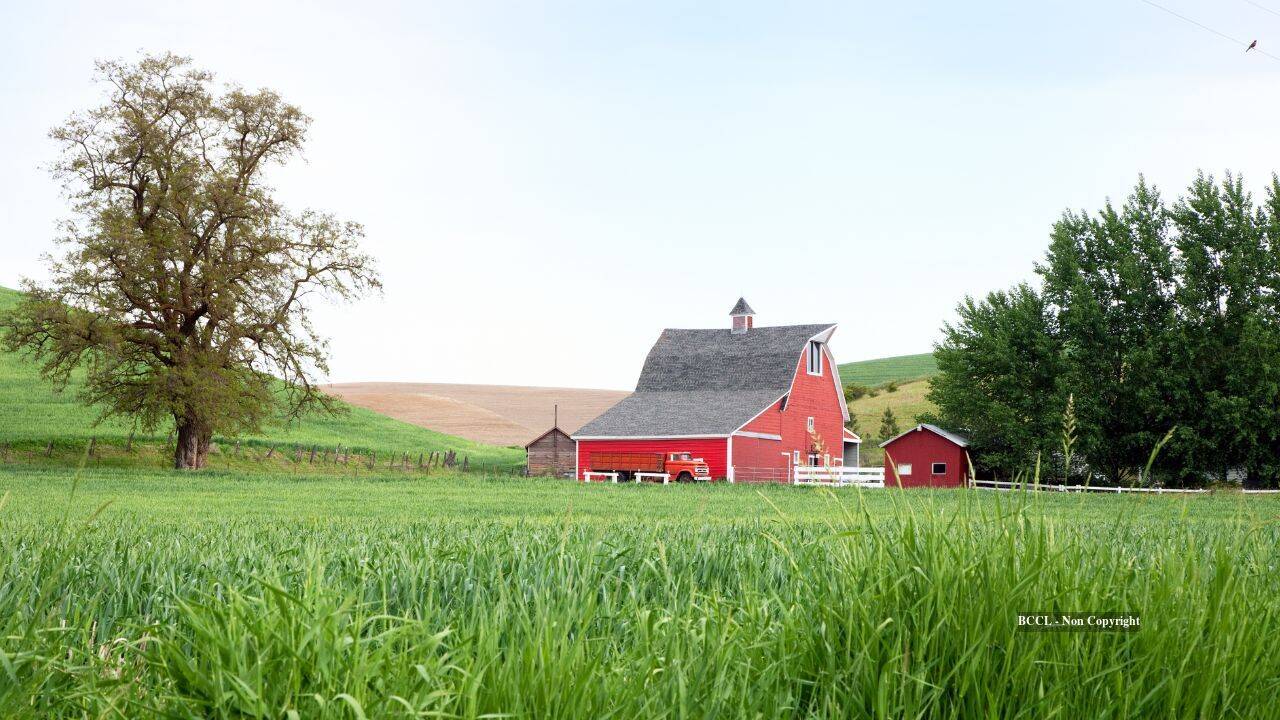
Parcel one: three hundred and twenty acres with the red barn and the machine shed. Sold.
Parcel two: the river bottom ground that floods once every five years but grows corn higher than a tractor tire in between. Sold.
Parcel three: the pasture land where the old cow pond sits. Sold.
In the span of four hours, eighty-four years of family history is neatly partitioned, sliced up like a holiday turkey, and handed over to new deed-holders who may never walk the rows unless they are checking an aerial drone map on an iPad.
We romanticize the American farmer while systematically dismantling the economic framework that keeps him on the land. We post sepia-toned photographs on social media celebrating the rugged independence of the rural heartland, while the structural realities of inheritance taxes, high input costs, and corporate consolidation quietly auction off the foundation of that very independence.
The tractor sits cold in the shed. The keys are still in the ignition.
Down the road, a semi-truck loaded with chemical fertilizer grinds its gears as it accelerates toward the interstate, leaving a thin trail of blue exhaust hanging heavy in the freezing November air.