Rain on the Oslofjord has a way of washing the color out of everything. It turns the brick of the Royal Palace the color of wet iron and strips the fjord itself down to shifting shades of slate. On a morning that felt entirely too ordinary for an extraordinary reckoning, the flag atop the palace slipped slowly down the mast. Half-mast. The simple, brutal geometry of grief.
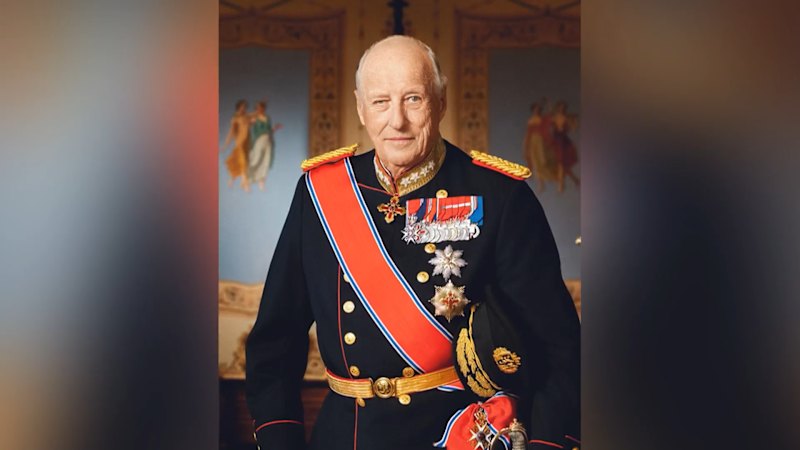
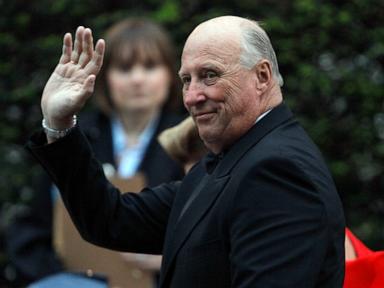
King Harald V is gone at eighty-nine. For a more detailed analysis into similar topics, we suggest: this related article.
For nearly thirty-five years, he was the anchor of a nation that prefers its royalty quiet, wool-sweatered, and remarkably normal. To understand what Norway has lost, you have to stand on the deck of a racing yacht in a freezing gale, salt stinging your eyes, trusting the man beside you not because of a crown upon his brow, but because his hands know every inch of the rigging. Harald was that man. He sailed in the Olympics. He fought cancer, heart surgery, and the quiet, crushing gravity of old age with a stubborn, self-deprecating humor that made a Scandinavian monarch feel less like an institution and more like a cherished grandfather who happened to live in a very large, drafty house at the end of Karl Johans gate.
When he ascended the throne in 1991, following the death of his father, Olav V—the beloved "People’s King" who walked the streets during the oil crisis without bodyguards—the shoes were impossibly large. How do you follow a legend? You don't try to fill them. You buy a smaller pair of shoes and walk your own path. To get more background on the matter, extensive reporting is available at Al Jazeera.
Harald did just that. He modernized by simply refusing to put on airs. When ordinary Norwegians spotted their king stuck in traffic in an aging station wagon, they didn't bow; they laughed and waved. When he spoke to the nation, he didn't lean on lofty rhetoric. He spoke about mental health, about loneliness, about the changing shape of a modern family. In a famous 2016 speech that echoed across the globe, he declared that Norwegians are girls who love girls, boys who love boys, and girls who love boys. He said Norwegians believe in God, in Allah, in nothing, and in each other. It was a radical defense of ordinary humanity delivered by a man born into the highest possible tier of inherited privilege.
That was his magic. He used the ancient weight of a crown to champion the modern, messy reality of human dignity.
And now, the helm passes.
Crown Prince Haakon steps forward. For years, he has been the shadow-runner, the man preparing for a transition that everyone knew was coming yet somehow hoped would stay perpetually on the horizon. Haakon is fifty-something, composed, deeply embedded in environmental advocacy, and possessing the same quiet steady-handedness that defined his father and grandfather.
Transitions in monarchies are strange, delicate things. They are living testaments to the paradox of modern democracy wrapped in medieval theatre. A constitutional monarch holds no political power, signs no laws of their own volition, and yet holds the emotional architecture of a country together. They are the mirror in which a nation looks at itself during moments of triumph and tragedy. When terror struck Norway on July 22, 2011, it was Harald’s voice that broke through the national trauma, reminding his people that darkness cannot defeat an open society.
Haakon inherits that sacred, invisible duty today.
Imagine standing in the courtyard of the Royal Palace as the damp wind bites through your coat. You watch the royal standard change. You realize that an entire era of twentieth-century history—the generation that remembered the shadow of World War Two, the quiet rebuilding of a Scandinavian welfare state, the transition from an agrarian past to a high-tech future—has officially stepped off the stage. Harald was a child during the Nazi occupation, fleeing with his mother to Sweden and America. He knew what it meant for a country to vanish overnight. He knew the cost of freedom.
That generational memory is now history.
Haakon represents the new century. He knows climate change, digital disruption, and the dizzying velocity of a multicultural Norway. He has spent decades walking beside his father, learning the rhythm of the tides. He knows that being king today isn't about sitting on a velvet throne; it is about listening. It is about showing up at a flood-ravaged village, a local youth center, or a national memorial, and simply being present when words fail.
The rain continues to fall over Oslo. The fjord churns against the docks. Down at Bygdøy, the royal yachts sit moored, waiting for hands that may never grip the tiller in quite the same way again.
A king has died. A king has risen. But out on the water, the wind does not care about titles. It demands respect, balance, and an eye on the horizon. Haakon takes the wheel. The sea is wide, and the journey begins.