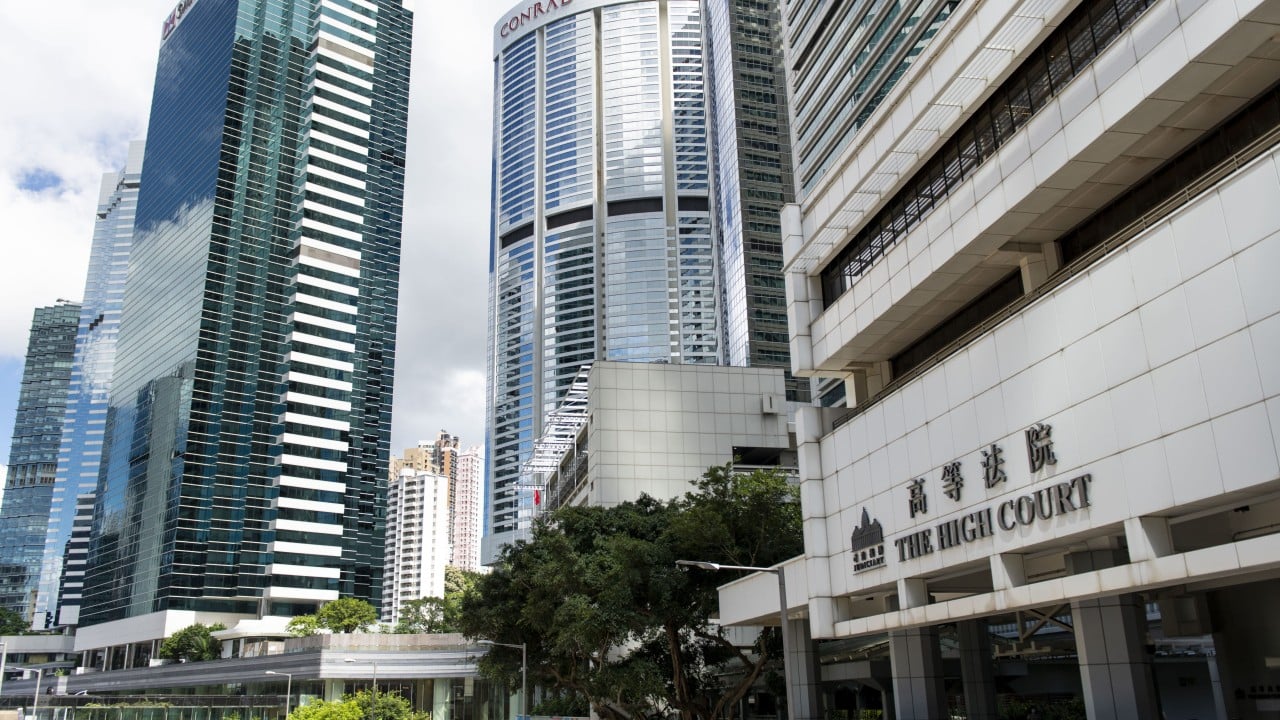
When a corporate giant collapses under hundreds of billions of dollars in liabilities, every single dollar recovered feels like pulling a needle from an ocean. Right now, the legal wreckage of China Evergrande is offering a masterclass in aggressive asset retrieval. A Hong Kong court just handed Evergrande a massive victory by dismissing what it termed "fabricated" claims, clearing the path to claw back a staggering HK$6 billion debt.
If you've been following the slow-motion implosion of the world's most indebted property developer, you know that recovery efforts usually move at a glacial pace. But this recent ruling changes the dynamic. It highlights how court-appointed liquidators are actively dismantling obstructionist legal tactics thrown up by third parties trying to shield assets.
The Anatomy of a HK$6 Billion Recovery Battle
To understand why this ruling is a big deal, you have to look back at how the money moved. The core of this legal brawl traces back to March 2021. Back then, Evergrande's subsidiary, State Hero, entered into an agreement to lend HK$5 billion to Yingjia International Properties.
Fast forward through years of defaults, restructuring failures, and court-ordered liquidation, and that debt morphed into a focal point for asset hunters trying to salvage value for abandoned creditors. Yingjia tried to block offshore entities through an injunction application, attempting to stop the collection process.
The Hong Kong court didn't just rule against them; it called out the underlying defense claims as fabricated. When judges use language that sharp, it sends a clear warning shot to other corporate borrowers who might think they can hide behind shell companies or fictitious legal roadblocks to dodge repayment.
Why Corporate Liquidators Are Playing Hardball
Liquidators from firms like Alvarez & Marsal haven't had an easy run. Recovering money from a collapsed empire with over $300 billion in total liabilities requires picking apart a labyrinth of cross-border subsidiaries. Most of Evergrande's physical assets are trapped inside mainland China, where legal recognition of offshore liquidators can get complicated.
That makes winning clear-cut debt recovery victories in Hong Kong jurisdictions absolutely vital. Every successful judgment builds a legal precedent. It gives creditors a stronger hand when they chase down cash across different regions.
You also have to look at the broader ecosystem of accountability surrounding the Evergrande disaster. Regulators and investigators haven't just targeted the developer itself. We've seen massive fallout for auditing firms like PricewaterhouseCoopers, alongside severe penalties and settlements tied to misleading financial statements from previous years.
What This Means for the Rest of the Crisis
People often ask if ordinary creditors will ever see a meaningful payout from these collapsed property giants. Realistically, recovery rates remain modest compared to the total mountain of debt. But dismissing bogus injunctions and forcing debtors to honor multi-billion-dollar lending agreements proves that the legal system isn't completely toothless.
When courts shut down fake claims swiftly, it reduces the legal drag that drains funds away from creditors. It also strips away the shelter that bad actors rely on during corporate bankruptcies. If you are tracking distressed debt or cross-border restructuring, keep an eye on how aggressively these liquidators press their advantage in the wake of this ruling. The playbook for dismantling opaque corporate loans is being written right now.