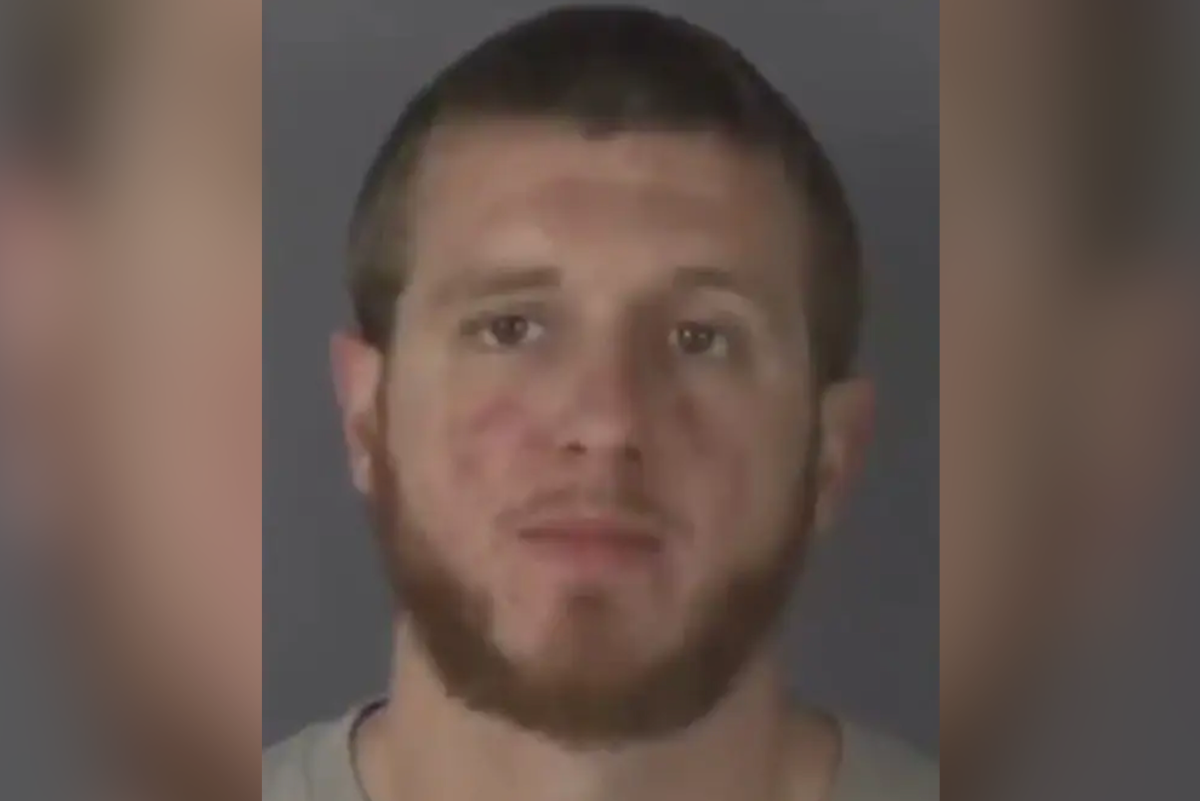
Vigilante justice isn't a new concept, but the digital age turned it into a profitable, high-stakes spectacle. Recently, the arrest of a prominent influencer known for viral "predator catcher" videos has sent shockwaves through the community. This isn't just another clickbait headline about a YouTuber getting in trouble. It’s a systemic look at how these channels operate on the edge of the law and what happens when that line is finally crossed.
The influencer in question now faces serious charges including extortion and battery. These aren't minor infractions or misunderstandings. They represent the fundamental risks inherent when private citizens decide to play judge, jury, and executioner with a camera crew in tow. While the public often cheers for the downfall of alleged predators, the methods used by these groups are increasingly coming under fire from the very legal systems they claim to support.
Why the predator catcher model was destined to fail
Most of these channels start with the same premise. An individual or a small team creates a fake profile, lures a suspect to a public location, and then ambushes them with a camera. It makes for gripping content. It's fast-paced. It’s emotionally charged. You see the immediate fear in the suspect’s eyes and the righteous fury of the "catcher." But legally, this model is built on sand.
Law enforcement agencies generally hate these groups. That might sound counterintuitive. Don't the police want help? Not this kind. When a YouTube group interferes, they often "pollute" the evidence. They don't follow chain-of-custody rules. They use aggressive interrogation tactics that would get a real detective fired and a case thrown out of court. Most importantly, they often cross the line into entrapment or, in this latest case, straight-up criminal behavior like battery and extortion.
If you're asking for money to keep a video offline, you aren't a hero. You're a shakedown artist. That's the core of the extortion charges surfacing in this recent arrest. The moment the "mission" turns into a revenue stream based on silence rather than exposure, the moral high ground disappears entirely.
The dangerous shift from exposure to extortion
We need to talk about the transition from "activism" to a business model. Running these operations is expensive. You need gear, travel money, and staff. As the views fluctuate, some creators look for other ways to monetize their "busts." This is where the extortion charges come in. Reports indicate that some suspects were allegedly offered a "way out" if they paid a fee to prevent the footage from being uploaded to YouTube or Rumble.
This creates a perverse incentive. Instead of turning over every bit of evidence to the authorities, the creator holds onto it as leverage. It’s a classic protection racket disguised as a public service. In the eyes of the law, it doesn't matter if the person being extorted is a "bad guy." Extortion is a crime, period.
Battery charges often follow close behind. In the heat of an ambush, things get physical. Most of these influencers aren't trained in de-escalation. They want the "money shot"—the suspect pinned down or crying. When they use force to detain someone without the legal authority to do so, they're committing an assault. A citizen’s arrest has very specific, narrow legal definitions. You can't just tackle someone because you suspect they have bad intentions.
Legal realities versus internet fame
The legal system is slow for a reason. It’s designed to protect the rights of the accused and ensure that the guilty are punished through a standardized process. Influencers don't care about due process. They care about the algorithm.
Why cases get thrown out
- Contaminated Evidence: If a vigilante touches the suspect's phone or deletes messages during an "interrogation," that evidence is often inadmissible.
- Coerced Statements: Screaming at someone until they "confess" on camera doesn't hold up in a courtroom.
- Entrapment Defense: If the "decoy" was overly aggressive in steering the conversation toward illegal acts, a defense attorney will have a field day.
When a vigilante group "catches" someone, they frequently ruin the chance for an actual conviction. Prosecutors often have to drop charges because the "investigation" was so poorly handled. The suspect goes free, and the only person who benefited was the YouTuber who got a million views and some ad revenue. That’s not justice. It’s entertainment at the expense of public safety.
The rise of the amateur investigator
The allure of being a digital hero is strong. It feels good to think you're making the streets safer. But there's a massive difference between reporting suspicious activity and orchestrating a sting operation. Real investigators spend years learning the nuances of the law. They understand the Fourth Amendment. They know how to write a warrant that won't get tossed by a judge.
Amateurs, on the other hand, often let their egos drive the bus. They start believing they're above the law because their cause is "just." This latest arrest is a reminder that nobody is above the law. If you break the law to catch a criminal, you're just another criminal in the eyes of the state.
What this means for the future of digital vigilantism
This arrest marks a turning point. Platforms like YouTube and X have already started tightening their policies on "harassment" and "doxing" content. We’re likely to see a massive crackdown on these types of channels. Advertisers don't want to be associated with battery and extortion.
If you're a viewer of this content, you've got to ask yourself what you're actually supporting. Are you supporting the removal of predators from society, or are you supporting a new form of "bumfights" where the targets are chosen based on their perceived moral failings?
The law is finally catching up to the wild west of the internet. We should expect more arrests, more lawsuits, and more channels being permanently banned. The era of the unregulated, camera-wielding vigilante is ending.
Steps for concerned citizens
If you actually want to help stop online predators, there are legitimate ways to do it.
- Report to NCMEC: The National Center for Missing & Exploited Children is the gold standard for reporting. They have the resources and the direct lines to law enforcement to actually get results.
- Support Law Enforcement Task Forces: Many local and federal agencies have specialized ICAC (Internet Crimes Against Children) units. They need funding and community support, not amateur interference.
- Education over Entertainment: Focus on teaching kids and parents about internet safety. Prevention is always more effective than a post-facto ambush for views.
Stop clicking on the "ambush" videos. They provide a financial incentive for people to take the law into their own hands, often with disastrous results for the legal process. True justice happens in a courtroom, not in a parking lot with a GoPro. If you want to see change, support the people who actually know how to put criminals behind bars for good.