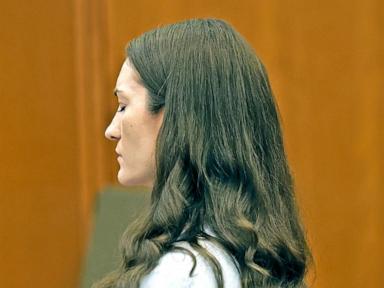
The trial of Lindsay Clancy in Plymouth Superior Court establishes a critical friction point between statutory definitions of intent and clinical diagnoses of psychiatric crisis. When a defendant faces charges of first-degree murder under circumstances involving extreme domestic trauma, the legal system strips away narrative ambiguity to evaluate two mutually exclusive paradigms: calculated premeditation under criminal intent or complete lack of criminal responsibility due to mental disease.
Evaluating this case requires isolating the specific evidentiary vectors utilized by the prosecution and defense, mapping the statutory hurdles of the insanity defense in Massachusetts, and analyzing how jury selection dynamics filter bias in high-profile criminal litigation.
The Dual Frameworks of Legal Intent vs. Psychiatric Incapacity
The prosecution’s argument relies on establishing deliberate premeditation—a legal threshold requiring proof that the defendant consciously resolved to kill prior to the act. In contrast, the defense centers on the defense of lack of criminal responsibility, colloquially referenced as the insanity defense, anchored in severe psychiatric decompensation.
The Prosecution Mechanism: Timeline Engineering and Opportunity Creation
To meet the burden of proving first-degree murder, prosecutors isolate specific operational choices made by the defendant in the hours preceding the event:
- Isolation of Risk Window: Calculating the exact time required for a spouse to execute an errand (picking up takeout food and prescription items) establishes a window of unobserved access.
- Method Selection: Utilizing specific household items—such as exercise bands—as tools of fatal constriction demands a sequence of conscious physical actions, countering claims of sudden, uncoordinated impulse.
- Contemporaneous Awareness: Digital research regarding transit times or local logistics provides objective data trails that prosecutors leverage to demonstrate executive functioning and forward planning.
This evidentiary model asserts that despite underlying psychological distress, executive function remained sufficiently intact to calculate logistics, execute physical harm, and attempt self-concealment or self-destruction sequentially.
The Defense Mechanism: Severe Decompensation and Overmedication
The defense strategy operates under the McNaghten or Model Penal Code variations adopted in state jurisprudence, focusing on whether a mental disease or defect deprived the defendant of substantial capacity to appreciate the wrongfulness of her conduct or to conform her conduct to the requirements of the law.
- Clinical Etiology: Documenting a rapid transition from postpartum anxiety to severe postpartum psychosis marked by command hallucinations—auditory hallucinations instructing specific actions under perceived existential threats.
- Pharmacological Polypharmacy: Evaluating the cumulative neurological effects of multiple prescribed psychiatric medications administered in rapid succession. The defense contends that aggressive pharmacological interventions created an acute toxic state, compromising cognitive control.
- Self-Directed Harm: Simultaneous or immediate attempts at suicide after the act serve as evidence of acute emotional collapse and a distorted reality rather than an attempt to evade legal consequences.
PROSECUTION MATRIX:   [Planning / Timed Errands] ---> [Instrument Choice] ---> [Inference of Premeditation]
DEFENSE MATRIX:       [Postpartum Psychosis]    ---> [Command Hallucinations] ---> [Absence of Volitional Control]
Jury Pool Filtering and Procedural Constraints
Selecting 18 jurors (12 panel members and 6 alternates) for a trial involving child fatalities presents severe operational challenges for the judicial process. High-density media saturation and the inherently disturbing nature of physical evidence necessitate precise screening protocols to eliminate emotional bias and secure an impartial panel.
Primary Juror Disqualification Vectors
During individual voir dire, the court targets three primary vulnerabilities within the prospective juror pool:
- Visceral Emotional Bias: Parents of young children often exhibit an inability to review severe physical evidence objectively, leading to immediate disqualification based on emotional overload.
- Preconceived Psychiatric Stigmas: Potential jurors frequently hold rigid baseline beliefs regarding mental health defenses, either viewing psychiatric symptoms as automatic exoneration or dismissively characterizing insanity pleas as legal maneuvers.
- Logistical Vulnerability: The anticipated trial duration (six to eight weeks) excludes individuals who cannot sustain prolonged professional or personal absence, concentrating the final jury panel within specific demographic and economic segments.
The judicial requirement to seat six alternates—an unusually high number—reflects explicit risk mitigation against mid-trial juror attrition caused by exposure to traumatic evidentiary exhibits, including crime scene documentation and forensic autopsy findings.
Statutory Realities of Filicide Defense Strategies
Relying on postpartum psychosis as a complete legal defense carries significant statutory limitations. While clinical research acknowledges postpartum psychosis as an acute psychiatric emergency occurring in approximately 1 to 2 per 1,000 childbirths, legal definitions do not automatically equate a clinical diagnosis with an absence of criminal responsibility.
The legal threshold demands proof that the illness directly severed the defendant's cognitive capacity to comprehend the moral or legal wrongfulness of the specific act at the precise moment it occurred. If the state establishes that the defendant knew the act was legally prohibited—evidenced by timing the event during an absence or attempting to conceal evidence—the insanity defense fails, regardless of the severity of the underlying clinical condition.
The strategic play for defense counsel requires establishing an unbroken chain of clinical failure: demonstrating that despite active medical seeking, crisis line contacts, and inpatient hospitalizations, the medical framework failed to stabilize acute psychosis. For the prosecution, securing a conviction hinges on maintaining focus on objective physical actions, logistical preparation, and the structural timeline of the event.