High-profile criminal trials often expose the rawest fractures in our legal framework, but few cases match the heartbreaking gravity of the Lindsay Clancy proceedings. When a jury finds itself hopelessly deadlocked after six grueling days of deliberations over a tragedy rooted in severe postpartum psychosis, the public is forced to confront uncomfortable truths about mental health and criminal accountability. Defense attorney Kevin Reddington's frantic final push to the state's highest court isn't just a procedural footnote. It represents a desperate scramble to salvage a case balancing on a knife-edge.
The core dispute in the courtroom boils down to a stark ideological divide. Prosecutors argued that Clancy meticulously planned the deaths of her three children, weaponizing premeditation while sending her husband out of the house. They painted her as a functioning mother who understood right from wrong. The defense countered with a harrowing reality: Clancy was drowning in the terrifying depths of postpartum psychosis, a condition that distorts reality and robs individuals of rational control. Reddington argued she was driven by a persistent internal voice during a psychotic break, making criminal responsibility an illusion. Read more on a related issue: this related article.
Massachusetts law introduces a unique twist to these proceedings. Unlike many jurisdictions where the defense carries the heavy burden of proving insanity, Massachusetts places the onus squarely on the prosecution to prove beyond a reasonable doubt that the defendant was not legally insane. That single legal distinction creates a massive hurdle for prosecutors. When medical experts clash and evidence points in multiple directions, juries stall.
The immediate flashpoint leading up to the judge's mistrial decision centered on a fractured jury room. Notes from the foreperson revealed an intractable holdout. Reddington moved aggressively to have the juror dismissed, claiming the individual refused to follow the judge's instructions regarding reasonable doubt. Judge William Sullivan ultimately declined to remove the juror or take sides in the internal battle, choosing instead to declare a mistrial before granting a brief window for an emergency appeal to the Supreme Judicial Court of Massachusetts. Additional journalism by Reuters explores related perspectives on this issue.
This legal maneuvering highlights how fragile jury consensus becomes when dealing with complex psychiatric defenses. Laypeople are asked to decode medical intricacies that professionals spend decades studying. When a jury splits over whether a mother experiencing severe mental health degradation possessed criminal intent, the system strains to find a clean resolution.
If prosecutors decide to retry the case or if negotiations open up a different path, the broader cultural conversation around maternal mental healthcare remains broken. Families dealing with postpartum psychiatric emergencies often slip through medical safety nets long before a tragedy occurs. Courtrooms are ill-equipped hospitals for treating systemic failures in healthcare, yet they remain the final arbiters when things go catastrophic.
Lindsay Clancy Trial Postpartum Psychosis Analysis
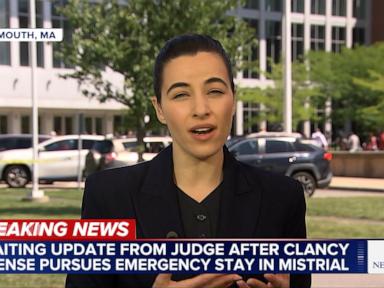
This video provides a detailed breakdown of the legal arguments and clashing instructions regarding criminal responsibility that defined the trial's final stages.