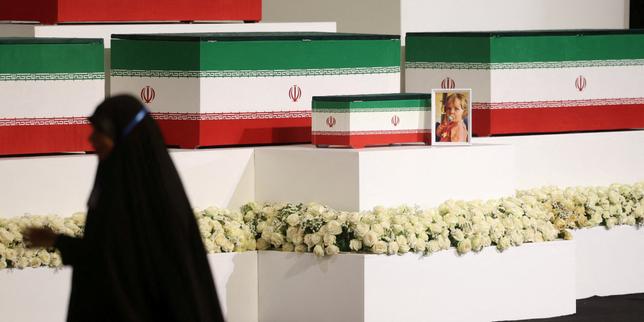
Tehran is locking down. Roadblocks are going up, and massive black banners cover public squares. After a four-month delay forced by intense military conflict, Iran is finally starting the state funeral of Ali Khamenei. Millions of people will flood the streets of the capital starting Saturday. This isn't just a moment of mourning. It's a massive, choreographed display of geopolitical defiance.
When a joint US-Israeli airstrike killed the 86-year-old Supreme Leader back on February 28, the region spiraled into chaos. The regime couldn't even hold a proper burial because bombs were falling. Now, a fragile ceasefire has paused the violence just long enough for this week-long event to take place.
Understanding what happens next requires looking past the state-mandated tears. The Islamic Republic is using this funeral to signal that it hasn't broken.
The Logistics of a Six Day Spectacle
Organizing an event of this size under the threat of renewed conflict is a massive gamble. The regime is calling it the most important event of the century. They expect crowds that rival the 1979 revolution.
The schedule stretches across multiple cities and even across borders. The official ceremonies begin at the Grand Mosalla of Tehran, where Khamenei's body is currently lying in state. Over the next week, the funeral procession will move through several critical locations.
- Tehran: Massive public gatherings and official foreign dignitary receptions on Saturday and Sunday.
- Qom: The religious heart of Iran will host intense clerical processions on Tuesday.
- Najaf and Karbala: In an unusual move, the body will travel to Iraq's holy Shia cities on Wednesday, showcasing Iran's regional influence.
- Mashhad: The final burial will happen on Thursday at the Imam Reza shrine.
International delegations are arriving despite the tension. Representatives from China, Russia, Pakistan, and India are attending. The Iranian government needs these foreign faces in the crowd. It tells the world that Tehran isn't isolated, even after a devastating military campaign.
The Succession Crisis Hiding in the Shadows
While the streets fill with mourners, the real drama is happening behind closed doors. Mojtaba Khamenei, the late leader's son, was quickly named the new Supreme Leader in March. Yet, nobody has seen him in public since.
Mojtaba was severely injured in the very same February airstrike that killed his father, sister, and several other family members. Rumors about his health are flying. The regime has plastered his face on billboards next to his late father to show continuity, but his physical absence speaks volumes.
Managing a transition of power is hard enough in peacetime. Doing it while the new leader is hiding or recovering from wounds creates a dangerous power vacuum. The Islamic Revolutionary Guard Corps (IRGC) is running the show right now. They're the ones organizing the security, the crowds, and the political messaging. The funeral is their chance to prove they still control the country.
A Deeply Divided Nation
State television shows endless footage of citizens weeping and beating their chests. That's only half the story. When news of the assassination first broke in February, videos leaked online showing people setting off fireworks and celebrating in the streets of Isfahan and Shiraz.
The regime cracked down hard on those celebrations. Security forces opened fire on crowds in several cities. The economic pain from years of sanctions, combined with brutal social repression, left millions of Iranians secretly or openly relieved by Khamenei's death.
This funeral is a forced show of unity. The regime needs to drown out the internal dissent. By filling Tehran's streets with millions of loyalists and government workers, they can pretend the entire nation is united in grief. It's a classic authoritarian survival tactic.
What This Means for Global Security
Don't expect the current ceasefire to last forever. Iran's chief negotiator, Mohammad Bagher Ghalibaf, openly called for vengeance on the eve of the funeral. Hardliners in Tehran are already demanding that Iran rescind its religious ban on developing nuclear weapons.
The West Asia war might be paused, but the underlying triggers are still there. Israel's defense minister recently threatened the new leader, Mojtaba, stating he is also marked for death.
If you're watching the news this week, don't just focus on the massive crowds in Tehran. Watch how the IRGC positions itself. Watch whether Mojtaba Khamenei finally shows his face. The events of the next few days will dictate how Iran negotiates its future with the West, and whether the region plunges back into total war.
Pay close attention to regional diplomatic shifts during the week. Watch the statements coming out of Moscow and Beijing during the ceremonies. The funeral ends on July 9, and the real test for the post-Khamenei era begins the very next morning.


