The ink on the diplomatic ledger dries quietly, far from the roar of jet engines and the flash of state television cameras. For months, the waiting rooms of foreign embassies held a specific kind of silence. It was the silence of families staring at cracked telephone screens, waiting for a voice three thousand miles away to say the deployment is over, the papers are signed, the ticket is booked.
Consider the kitchen table in a modest brick home outside Chandigarh. A mother sweeps tea leaves from the linoleum, her movements automatic, her eyes perpetually darting toward a phone that has not rung with good news in over a year. Her son went looking for work, caught in the undertow of global economic friction, and ended up wearing a uniform that was never meant for him, stationed in freezing trenches under a foreign sky. This is not a statistic pulled from a quarterly geopolitical briefing. This is a life suspended in amber.
When leaders meet behind mahogany doors in the Kremlin, the public hears about strategic alignments, trade corridors, and supersonic joint ventures. They talk about the BrahMos missile system, that streak of titanium and fire slicing through the clouds, symbolizing decades of quiet technological marriage between Moscow and New Delhi. They talk about defense projects, shared intellectual property, and the balancing act of modern sovereignty. But beneath the calculus of deterrence and multi-billion-dollar defense agreements lies a deeply human ledger.
Wars are fought with steel, but they are resolved with ink and urgency.
For the past year, the quiet crisis of Indian nationals caught in the Russian military apparatus has tested the diplomatic sinew between two capitals. These were men who left home chasing the promise of livelihood, only to find themselves thrust into administrative grey zones and active conflict sectors. The diplomatic machinery moves with agonizing slowness. Bureaucracy is a glacier. Yet, glaciers eventually carve valleys.
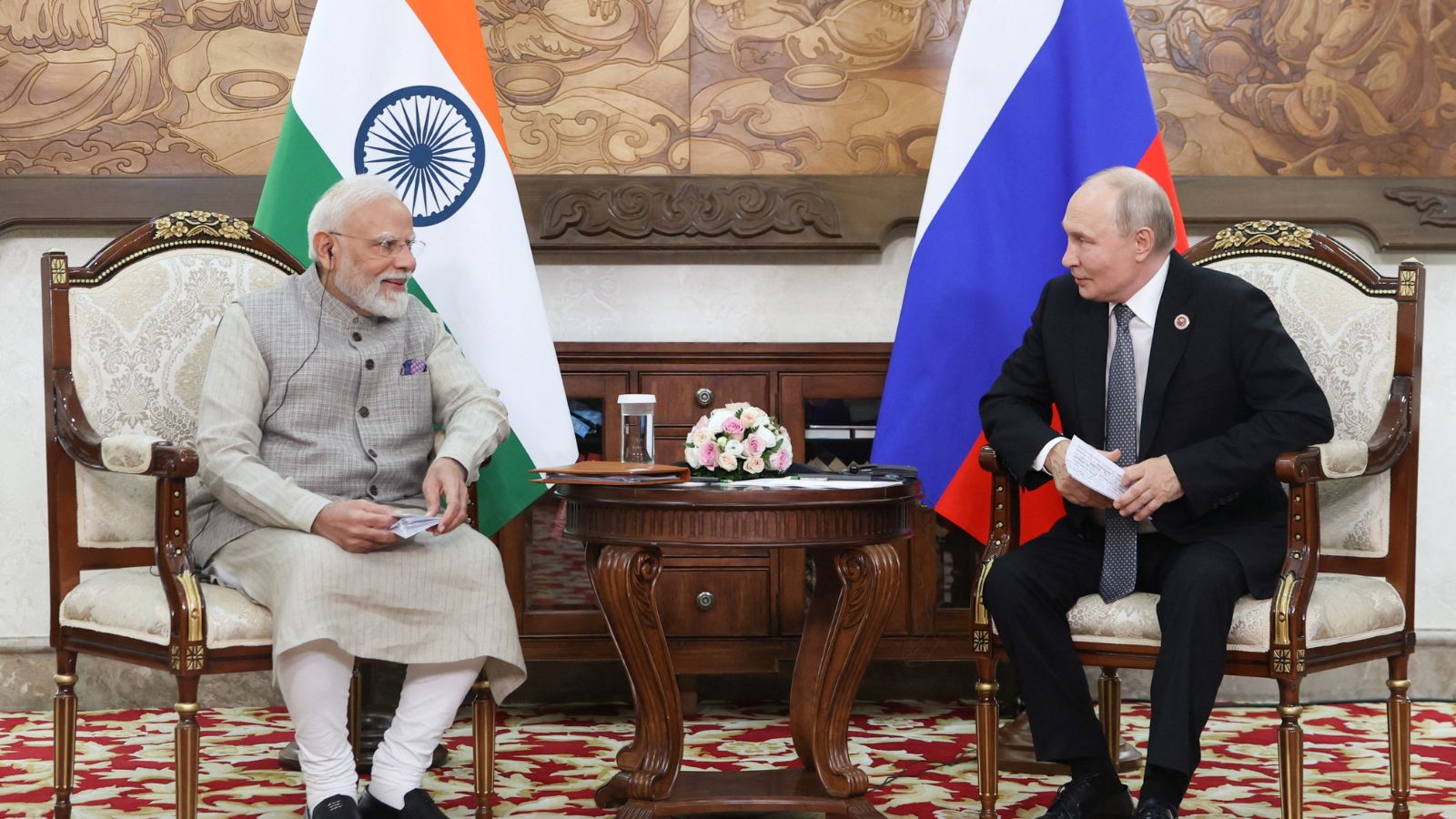
The recent high-level dialogues between Prime Minister Narendra Modi and President Vladimir Putin brought this raw, bleeding human issue to the absolute center of the diplomatic table. Not as a footnote. Not as a polite diplomatic whisper. As a non-negotiable imperative. The directive from New Delhi was absolute: bring them home. And the machinery, heavy and rusted though it often is, finally shifted into high gear. Thousands of miles away, discharge papers are being stamped. Flights are being scheduled. The journey back to the warmth of the Punjab plains has begun.
Geopolitics is often taught as a chess match, a cold game of shifting pawns across a vast Eurasian board. We analyze the trajectory of supersonic missiles. We calculate the trade balances in rupees and rubles. We look at energy shipments moving silently through maritime bottlenecks. We forget that the board is crowded with flesh and bone.
When a defense partnership spans half a century, it accumulates baggage. It accumulates expectations. Moscow and New Delhi have danced this diplomatic tango for decades, weathering the collapse of the Soviet Union, the shifting unipolar moment of the nineties, and the hyper-connected, fractured multipolarity of today. Through every era, the defense relationship remained the anchor. It is an industrial marriage born of necessity and sustained by trust.
Yet, trust is fragile. It frays at the edges when individual citizens fall through the cracks of military recruitment offices and ambiguous contracting agencies. The realization that citizens were being funneled into combat roles created an urgent political vulnerability for New Delhi. Governments can negotiate tariffs and trade routes with a cool head, but the safety of their diaspora is visceral. It touches the core of domestic legitimacy.
This is why the diplomatic breakthrough matters. It proves that even in the high-stakes theater of global power politics, human friction can force a recalibration. The agreement to fast-track the discharge and repatriation of all Indian nationals serving in the Russian ranks is a masterclass in quiet, persistent statecraft. No public grandstanding. No theatrical ultimatums. Just the relentless, grinding pressure of bilateral diplomacy behind closed doors until the desired outcome is achieved.
At the same time, the strategic agenda did not pause. The BrahMos missile, that joint Indo-Russian masterpiece of supersonic engineering, continues to evolve. Upgrades are underway. New defense projects are being mapped out. In a world where deterrence dictates peace, nations do not abandon their strategic edges simply because the weather gets rough. India needs advanced defense capabilities to secure its vast frontiers, and Russia remains a proven, reliable partner in high-end military technology transfer—a partnership that western capitals view with cautious, pragmatic acceptance given New Delhi's steadfast strategic autonomy.
The art of modern foreign policy is holding two completely contradictory realities in your hands at the exact same time. You must negotiate advanced missile defense systems with a superpower while simultaneously extracting your young men from its military barracks. You must manage the expectations of Western allies while honoring a decades-old friendship that has weathered every geopolitical storm.
Back in Chandigarh, the tea is poured, the broom is put away, and the phone finally rings. The voice on the other end is tired, rough around the edges, but undeniably real. He is at an airport. He is holding a passport stamped with a return visa. The geopolitical summits, the joint ventures, the billion-dollar defense pacts—to him, they were just distant noise until they translated into a single, beautiful moment of clearance.
The plane lifts off into the grey Moscow morning, turning its nose toward the south, chasing the sun back to where the soil is warm and the curry smells like home. Below, the vast snow-covered landscape recedes, leaving behind the cold calculus of empires. What remains is simply a man coming home, and the quiet, enduring weight of a friendship that survived the fire.