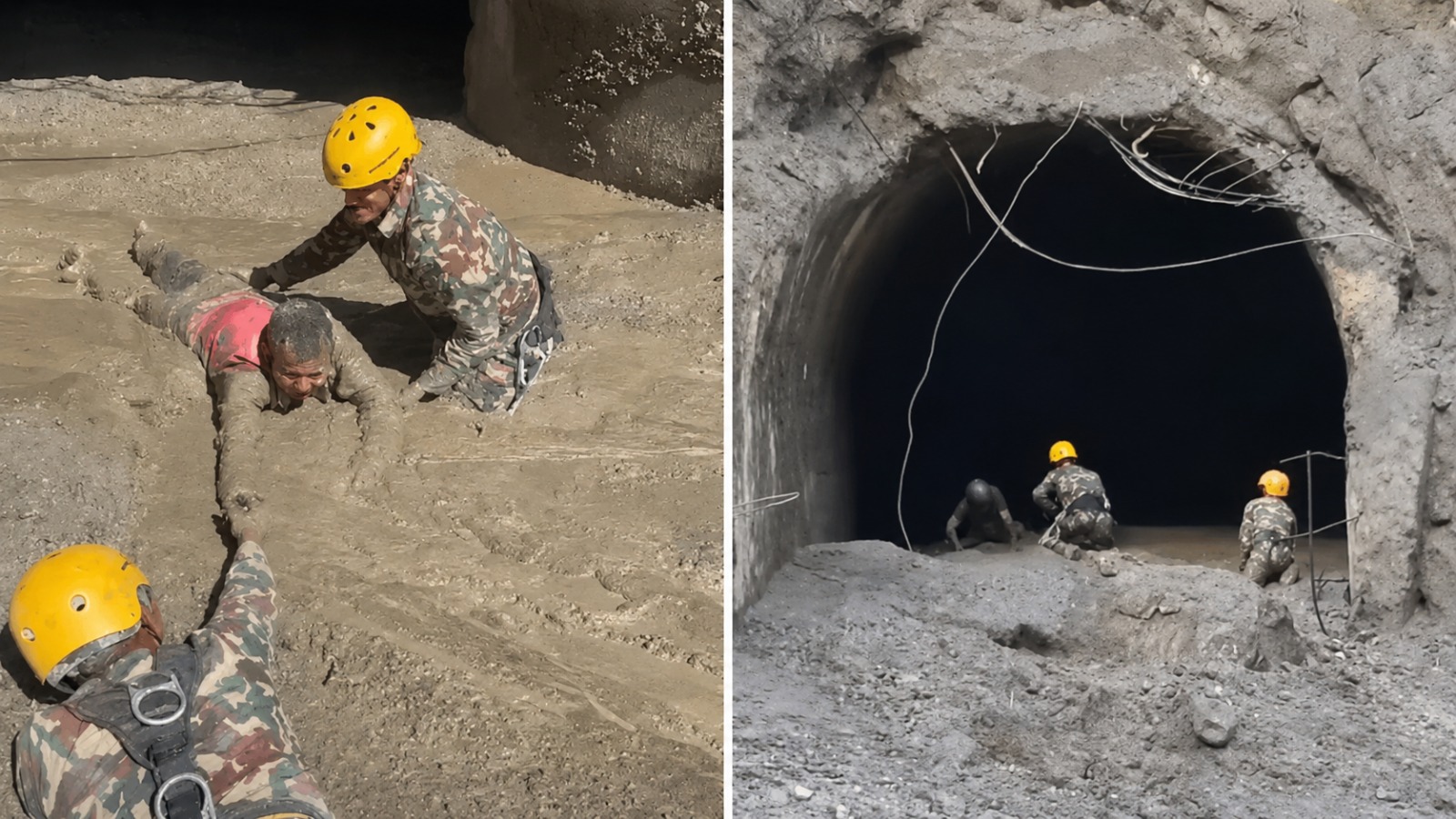
The frost arrives before the sirens. You can smell it on the wind, a sharp, metallic bite that carries off the Dnipro River and settles into the mortar of apartment blocks in Kyiv, in Kharkiv, in the quiet suburbs of a hundred nameless towns where people still try to hang laundry on frozen lines.
Winter in this part of the world is not merely a season. It is an antagonist.
For the past three years, the rhythm of survival has been measured in voltage. When the lights stay on, life persists. Bread is baked, schools hold classes in basement bunkers with painted walls, and surgeons sew torn flesh beneath steady fluorescent tubes. But when the grid goes down, the modern world evaporates. Water pumps stop. Sewage freezes in the pipes. Elevators become iron tombs. The dark is absolute, and the cold moves in with the speed of an invading army.
Intelligence reports now indicate that a familiar, terrifying script is being rewritten. According to defense briefings and monitoring groups tracking Russian military movements, Moscow is massing cruise missiles, long-range drones, and strategic assets for a renewed campaign of massive strikes aimed squarely at Ukraine’s remaining energy infrastructure.
They are waiting for the deepest drop in temperature. They are waiting for the moment when a blackout ceases to be an inconvenience and becomes a weapon of mass displacement.
Consider what happens inside a thermal power plant when a barrage hits.
To understand the stakes, you have to look past the abstract terminology of megawatt-hours and substation nodes. Step into the shoes of Dmytro, a fifty-four-year-old engineer who has spent twenty-eight of those years inside the cavernous, grease-slicked control room of a facility in central Ukraine. He knows the sound of every turbine, the specific pitch of a generator humming at peak capacity, the way the floor vibrates when the load shifts.
When the air raid alert wails, Dmytro does not run to a shelter. He checks his monitors. He watches the incoming telemetry—the blinding spikes of data that signal a cluster of Kh-101 cruise missiles entering regional airspace. He has roughly twelve minutes from the moment the launch is detected to the moment of impact.
Twelve minutes is enough time to shut down the main turbines safely. If you do not shut them down, a direct hit causes catastrophic thermal shock, turning millions of dollars of heavy machinery into molten scrap and spraying high-pressure steam that can strip paint from concrete walls. But if you shut them down too early, you plunge a quarter-million homes into darkness while the missiles are still in flight, inviting chaos.
He makes his choice. He always makes his choice. Then he listens for the whistle.
Military analysts often speak of strategic coercion. They use terms like degrading enemy resilience or breaking civilian morale. These are clean words used in air-conditioned conference rooms in Brussels and Washington. They mask the reality of what a turbine fire looks like at three in the morning. They ignore the smell of burning transformer oil, a thick, yellow-black smoke that clings to the skin and tastes like copper.
The strategy behind these impending strikes is as old as warfare itself, updated with high-tech precision. By targeting high-voltage transformers, junction nodes, and hydroelectric control dams rather than just generation plants, the planners aim to create a cascading failure. You do not need to blow up every power station if you can destroy the distribution hubs that move power from the working ones to the cities.
It is the equivalent of severing the main arteries while leaving the heart to beat into an empty room.
The international community watches with a mixture of dread and logistical urgency. Air defense systems, primarily Western-supplied platforms like Patriot and NASAMS, have worked miracles over the past year, intercepting a remarkable percentage of incoming ordnance. Yet mathematics is a cruel master. No air defense umbrella is one hundred percent effective. When a barrage consists of dozens of simultaneous vectors—swarms of Iranian-designed Shahed drones clearing a path for hypersonic Kinzals and subsonic cruise missiles—something always slips through the net.
And a single precision strike on a critical transformer yard can undo months of frantic, heroic repair work.
Walk through any Ukrainian city right now, and you will see the invisible architecture of resilience. It is not made of titanium or concrete. It is made of sandbags stacked three meters high around historical monuments. It is the hum of diesel generators sitting outside corner shops, pharmacies, and bakeries. It is the portable power stations charging in offices during the brief hours of mains power, ready to be carried home so a child can finish homework by the glow of a lithium battery.
People have learned to read the sky. They know the difference between the lawnmower buzz of a loitering munition and the high-pitched shriek of a jet-propelled missile. They know how to pack a go-bag with tourniquets, water purification tablets, wool socks, and spare phone chargers.
This is the psychological front line. The Kremlin’s calculation is brutally simple: if the physical environment becomes uninhabitable enough, if the freezing apartments and the endless dark wear down the collective will, the political resolve to continue the fight will fracture.
Yet history suggests a paradox that total war repeatedly uncovers. When you strip away the comforts of modern civilization—the central heating, the constant Wi-Fi, the infinite entertainment—you do not necessarily break a population. Often, you narrow their focus to the bedrock of their existence. You reveal what they are actually fighting for.
It is the neighbor who drags a heavy extension cord from his generator to the basement where six elderly residents are sheltering. It is the welding crews who descend into smoking craters before the fires are even fully extinguished, working through the sub-zero night with arc-welders flashing blue against the snow, determined to string up temporary cables before dawn.
These actions do not make the missiles any less lethal. They do not restore the lives of the engineers who have died at their consoles. But they represent a stubborn, muscular refusal to submit to the dark.
The coming weeks will test the limits of this endurance. As the grid faces its most severe stress test yet, the outcome will not be decided solely by the density of air defense batteries or the tonnage of replacement transformers stored in Polish warehouses. It will be decided in the quiet spaces between the blasts.
When the lights go out, the real work begins.