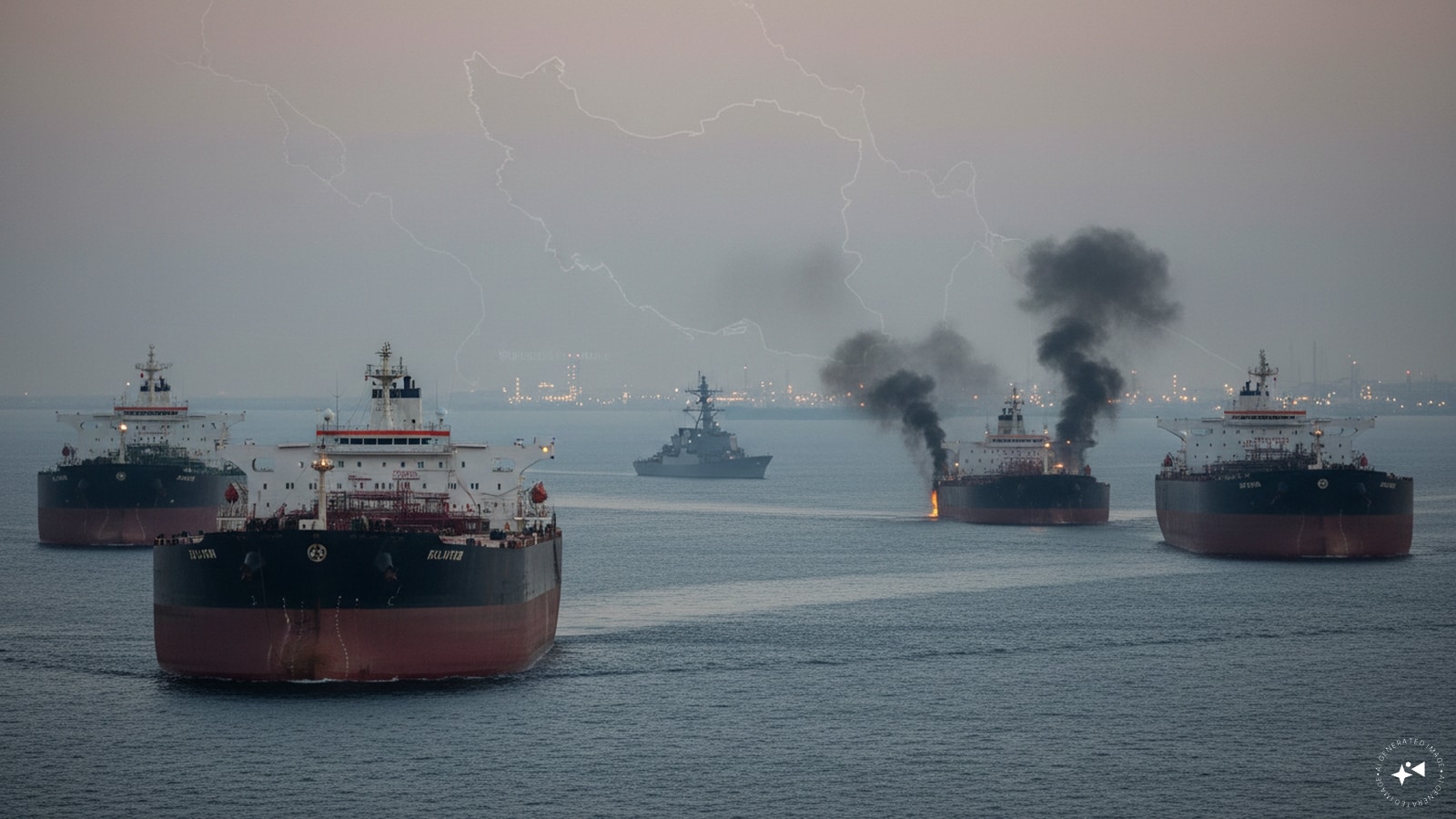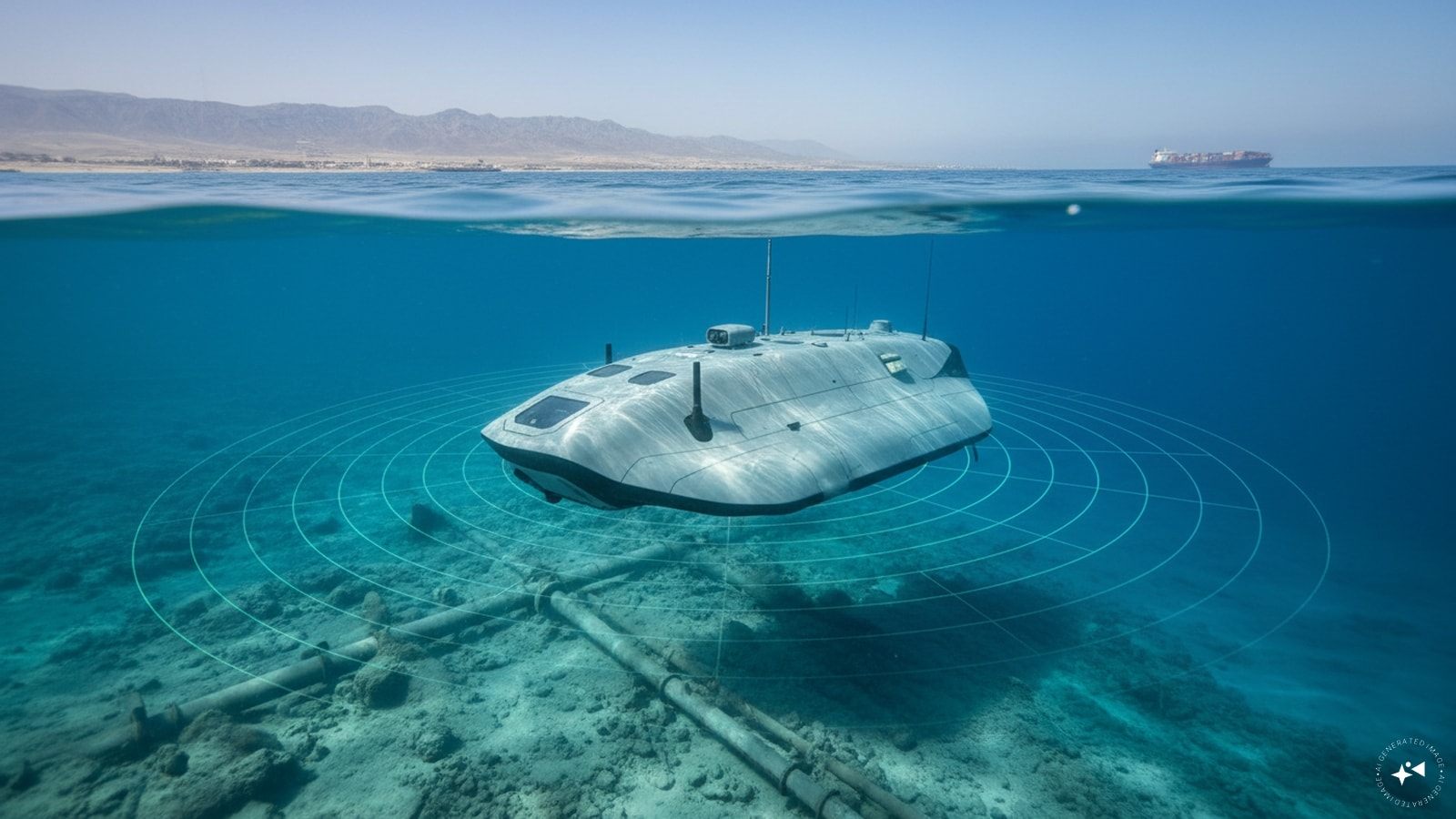
The headlines are playing right into Tehran's script. Mainstream defense commentators are hyperventilating over Iran’s theatrical recovery of a downed American uncrewed underwater vehicle in the Strait of Hormuz, treating it like an intelligence catastrophe. The Islamic Revolutionary Guard Corps rolls out the crane footage of an Anduril Dive-LD submersible, state media puffs its chest about capturing modern smart technology, and Washington instantly defaults to the bureaucratic panic button: it was just a broken, obsolete clunker on a routine survey.
Both sides are selling you a flat-out fantasy. For a closer look into this area, we recommend: this related article.
The breathless defense establishment wants you to believe that a stray robotic drone floating into hostile hands compromises national security. Simultaneously, Pentagon damage control insists that losing a state-of-the-art autonomous underwater vehicle worth millions of dollars is no big deal because it accidentally broke down and drifted. Both excuses are laughable. If you leave multi-million dollar naval hardware bobbing around a contested chokepoint like an abandoned pool toy during an active maritime blockade, you did not experience a random mechanical failure. You experienced a structural failure of tactical discipline.
Let us dispense with the lazy consensus that this is an ingenious Iranian intelligence coup or an innocent American hardware glitch. The reality is far more mundane, and far more damning for naval planners who should know better. For further background on the matter, comprehensive analysis is available on The Washington Post.
The Myth of the Comprermised Secret
When the IRGC hoisted that nineteen-foot Anduril commercial-derived submersible out of the water, defense analysts immediately started wringing their hands over reverse-engineering. They argued that foreign adversaries will tear apart its acoustic arrays, navigation suites, and pressure hulls to crack Western autonomous maritime supremacy.
This argument collapses under the weight of basic engineering reality. The Dive-LD platform is an open-architecture marvel built heavily on commercial off-the-shelf components. Its core navigation magic relies on commercial Doppler velocity logs, standard fiber-optic gyros, and off-the-shelf battery configurations. Iran does not need to fish a broken drone out of the Hormuz sludge to understand how commercial autonomy works. They can buy equivalent commercial sub-components through proxy front companies or open markets just like everyone else.
The hardware itself is not the crown jewel. The doctrine is. And that is precisely where Washington screwed up.
Operating autonomous underwater vehicles for bathymetric mapping and mine countermeasures in a closed operational theater without a fail-safe scuttle mechanism or active acoustic tracking defense is tactical negligence. If a platform is valuable enough to deploy into a hostile counter-blockade zone, it is valuable enough to self-destruct or be actively recovered before it becomes a propaganda trophy for a regime desperate for a domestic win.
The Cost of Lazy Asset Management
Imagine a scenario where a commercial shipping corporation leaves its most expensive, data-rich autonomous cargo pods drifting unsecured in pirate-infested waters, only to shrug and tell shareholders that the equipment was glitchy anyway. Heads would roll before the market opened. Yet in defense procurement, a multi-million-dollar loss is casually hand-waved away as a routine logistics hiccup.
The Pentagon's knee-jerk defense—that the unit carried no classified sonar or radar—misses the broader strategic penalty. Even if the internal solid-state drives were wiped clean or lacked top-secret clearance tags, the physical recovery gives Iran’s domestic defense sector a complete structural template of a modern western heavy-class UUV hull layout, ballast management systems, and modular payload interfaces. Tehran gets to parade a pristine Western robot on national television, scoring an asymmetric psychological victory that actively undermines the deterrence posture of the U.S. Fifth Fleet.
Stop pretending that hardware attrition in a contested zone is acceptable collateral damage. When you deploy uncrewed assets into a choke point managed by hostile actors who have closed the strait to global energy shipping, you operate under the absolute rule that anything that stops moving belongs to the enemy. If your navigation software drops out or your propulsion dies, the protocol must be immediate neutralization, not passive abandonment.
The real scandal is not that Iran managed a complex, high-stakes naval interception at dawn. The scandal is that American naval architecture and deployment doctrine still treats autonomous systems like expendable paper cups when they are actually the frontline instruments of modern maritime dominance. Until Washington stops making excuses for sloppy operational security, expect more expensive hardware to wash up on adversary shores while defense officials cross their fingers and hope nobody notices the incompetence.