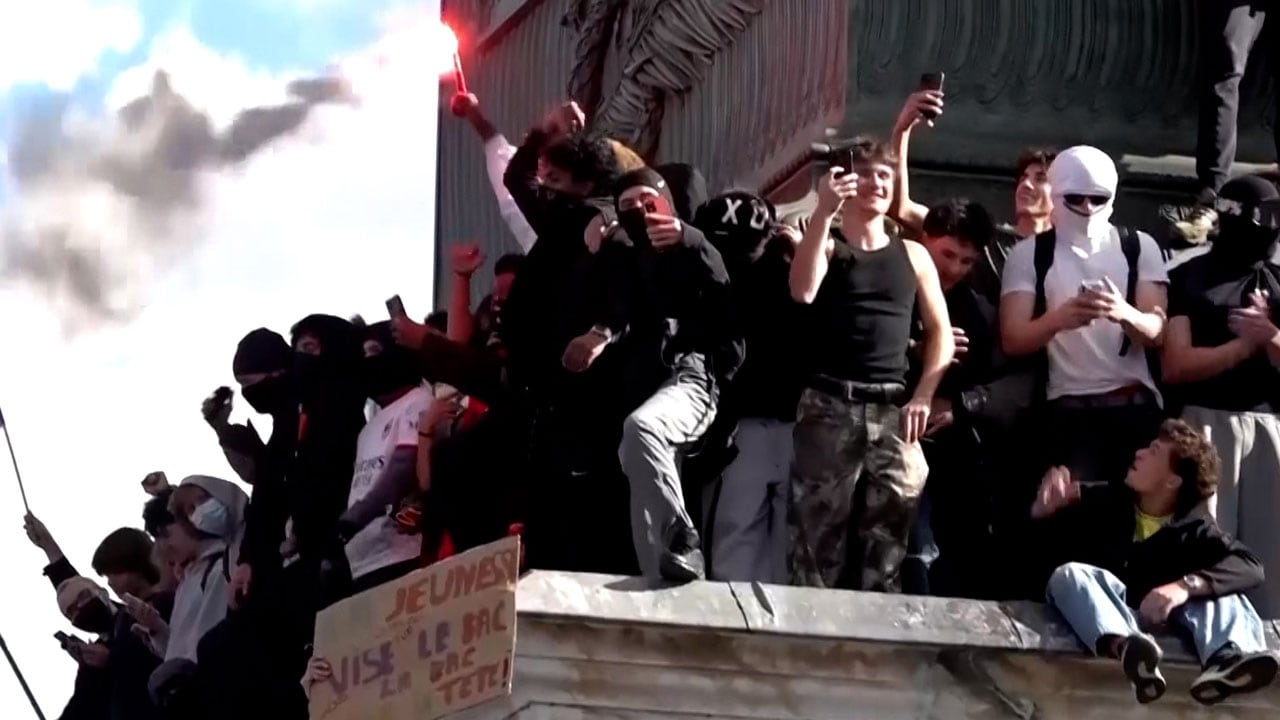
Every time a downtown block burns and a storefront gets hollowed out, the pundit class runs the same lazy script. They look at the charred skeletons of neighborhood businesses and the smashed glass of luxury boutiques, clutch their pearls, and write editorials about the total collapse of civic order. Then, like clockwork, some financial columnist finds the weird silver lining. They point to the looters sprinting out with monogrammed leather bags and claim that high-end fashion houses are the unexpected winners because the chaos somehow drives free press and scarcity value.
It is a deeply stupid take.
Louis Vuitton is not benefiting from urban riots. The people looting those flagship stores are not participating in some avant-garde critique of capitalism, and the brand's quarterly earnings report is not a scoreboard for civil unrest. But the lazy consensus misses the actual mechanism at play here. The real story isn't that luxury brands win when cities burn. The real story is that modern luxury marketing operates on the exact same psychological frequency as a riot, and the corporations built on excess have weaponized social volatility into an aesthetic asset.
Let’s dismantle the illusion right away. When a crowd smashes through a plate-glass window on the Rue de Rivoli or Fifth Avenue, corporate headquarters in Paris or Milan does not pop champagne. Inventory write-offs hurt. Security insurance premiums spike. Brand equity gets muddy when your luxury handbag is suddenly associated with tear gas and police sirens. No board of directors looks at a torched storefront and dials up the marketing budget for chaos.
Yet, luxury conglomerates do not panic either. Why? Because high-end fashion has spent the last thirty years cultivating an aura of rebellion, exclusivity, and anti-establishment edge while selling $3,000 hoodies to venture capitalists. When real-world civil unrest collides with luxury retail, it exposes the fundamental absurdity of the ecosystem: luxury goods only hold value when they are scarce, coveted, and slightly dangerous. Real riots are messy, violent, and tragic, but corporate marketing departments have spent decades romanticizing danger so they can charge a markup for it.
I have spent years watching brands try to manufacture grit in sterile boardrooms. I have sat in pitch meetings where executives agonized over how to make a luxury sneaker look "grungy" enough for a tech bro who has never walked a mile in his life. They pay armies of creative directors millions of dollars to simulate the exact aesthetic of urban decay. When real chaos happens outside their boutique doors, it creates a jarring cognitive dissonance for consumers. It reminds the world that these symbols of ultra-wealth exist in a fragile public space.
The lazy consensus claims that looting provides free advertising because it keeps the brand name in the news cycle. That is a mid-wit observation. Any brand can get in the news by getting smashed with a crowbar, but it does not convert to long-term brand equity. Real luxury relies on aspiration, not desperation. When a store is looted, the immediate corporate response is not joy; it is damage control. They pull inventory, board up the windows, and hire private security details that cost more than the stolen merchandise.
So why do we keep pretending that high-end labels are secretly thrilled by civil unrest? Because we want a neat narrative. We want to believe that the system is so rigged, so utterly cynical, that even a riot serves the ruling class.
The truth is much more boring and much more damning. The luxury industry does not need riots to thrive because luxury is a riot of resource allocation. When a corporation prices a handbag at an amount that could pay a family's rent for six months, they are participating in a quieter, more orderly form of social rupture. The disparity between the person holding the designer tote and the person sleeping on the pavement outside the boutique is the fuel that eventually sparks the unrest in the first place.
Blaming the beneficiary of a riot misses the fact that the entire economy is built on a foundation of structural violence. Louis Vuitton didn't cause the riots, and they certainly aren't cashing in on the ashes. But they are selling the armor that the ultra-rich wear while the rest of the world burns.
Stop looking for secret conspiracies in the wreckage of a retail store. The system doesn't need to orchestrate the chaos. It just prices you out of safety, slaps a logo on a canvas tote, and calls it high fashion.


