Walk onto Telegram, TikTok, or Instagram in Kuala Lumpur right now, and you'll find dozens of sellers offering weekly fat-loss injections for a fraction of pharmacy prices. No doctor's visit. No blood work. Just a bank transfer and a courier drop-off.
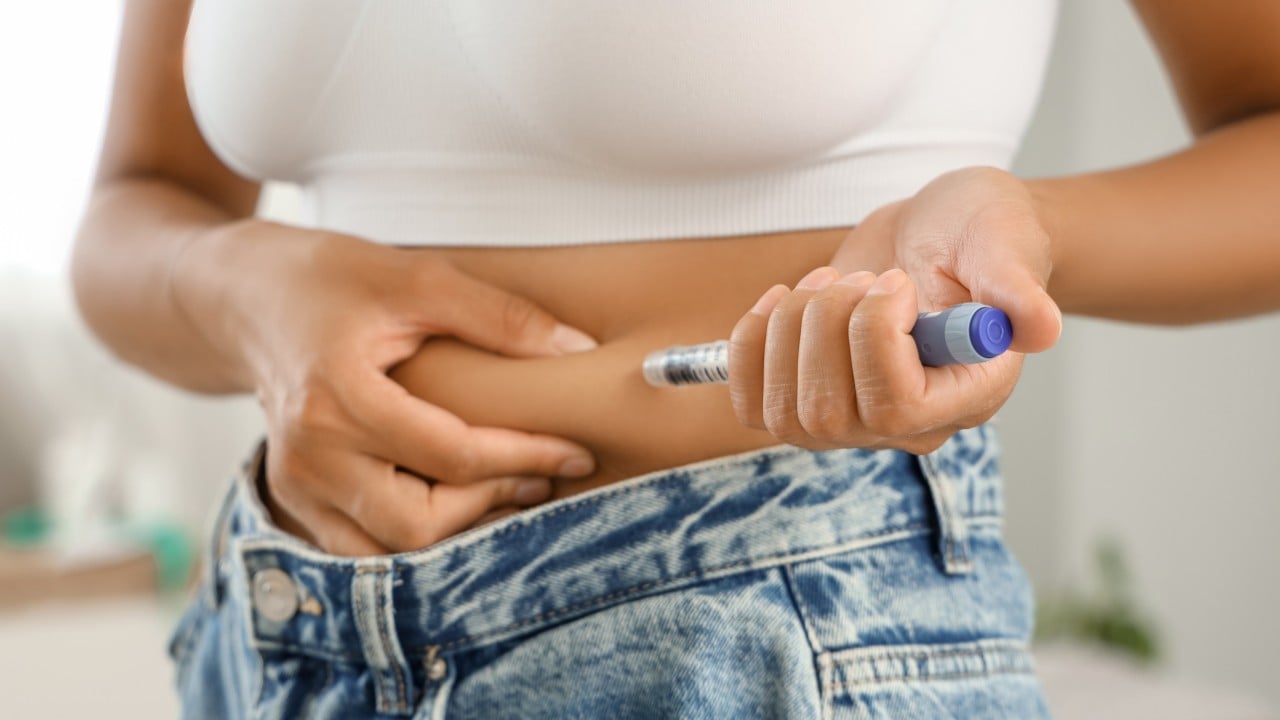
It's a booming shadow trade in DIY weight-loss jabs across Malaysia. Buyers are mixing raw white powders with bacteriostatic water on their kitchen counters, drawing up unverified doses into insulin syringes, and injecting themselves with compounds sold as semaglutide, tirzepatide, or retatrutide.
And honestly? The whole thing is a public health accident waiting to happen.
How the DIY Peptide Black Market Took Over Malaysian Social Media
Legitimate GLP-1 receptor agonists changed obesity medicine overnight. Drugs like Ozempic, Wegovy, and Mounjaro work by mimicking gut hormones that slow digestion, regulate insulin, and quiet food noise in the brain.
There's just one massive catch in Malaysia. Supply is tight, and legitimate private-clinic prescriptions cost anywhere from RM1,000 to over RM2,500 a month. For regular working adults, that price tag puts regulated medication completely out of reach.
Enter the grey-market peptide dealers.
Sellers operating on encrypted messaging apps and local e-commerce storefronts saw the gap immediately. Instead of selling pre-filled, temperature-controlled brand-name pens, they import lyophilized (freeze-dried) peptide vials—often sourced from unregulated overseas chemical suppliers—and market them directly to desperate dieters.
Here is how a typical transaction plays out:
- A buyer sees a transformation video on TikTok or Xiaohongshu with a coded hashtag or WhatsApp link.
- The seller quotes RM250 to RM450 for a tiny glass vial labeled "research chemical" or "not for human consumption."
- Along with the vial, the buyer gets a bottle of mixing water, a pack of syringes, and a crude PDF chart explaining how many "units" to inject.
- Nobody checks the buyer's medical history, thyroid function, or kidney health.
The legal disclaimer stamped on the vial lets sellers claim they aren't distributing medicine. Everyone involved knows exactly where those needles are going.
What You're Actually Injecting Into Your Body
When you buy an approved pen from a licensed Malaysian hospital or clinic, every batch undergoes strict testing for sterility, purity, and exact concentration. When you buy a mystery vial off Telegram, you're rolling the dice on three separate hazards.
Zero Guarantee of Purity or Active Ingredients
Independent lab testing of grey-market peptides globally has repeatedly turned up alarming results. Some vials contain almost no active GLP-1 ingredient at all—just mannitol or filler powder. Others contain double or triple the labeled concentration, which can trigger violent, uncontrollable vomiting and severe dehydration within hours of a single shot.
Even worse, some counterfeit batches have been found laced with insulin or cheaper hypoglycemic agents. Injecting hidden insulin when you aren't diabetic doesn't just make you feel dizzy. It can drop your blood sugar low enough to cause seizures, coma, or death.
Bacterial Contamination and Endotoxins
Lyophilized peptides sold for "research" aren't manufactured in sterile pharmaceutical cleanrooms. If bacteria or fungal spores get sealed inside that vial during manufacturing, adding water turns the bottle into a petri dish.
Injecting contaminated liquid straight into subcutaneous fat bypasses your skin's natural defenses. Doctors in emergency rooms have treated patients with deep tissue abscesses, cellulitis, and bloodstream infections caused by non-sterile home injections.
Cold-Chain Failure in Tropical Heat
GLP-1 peptides are fragile proteins. They break down rapidly when exposed to high temperatures or direct sunlight.
Legitimate pharmacies ship these drugs in calibrated cold boxes kept strictly between 2°C and 8°C. Your grey-market vial? It probably sat in a sweltering cargo warehouse, rode around in the back of a delivery van in 34°C Malaysian heat, and landed in your mailbox warm to the touch. Degraded peptides lose potency and can trigger unpredictable immune reactions.
Why Reconstituting Powders at Home Goes Wrong So Easily
Most buyers have zero medical training. Yet they're acting as their own compounding pharmacists.
Reconstituting a peptide requires basic math, sterile technique, and an understanding of concentration ratios. Get the math wrong by a single decimal place, and you accidentally inject ten times your intended starter dose.
Let's look at an illustrative example of how easily this happens. Suppose a buyer receives a 5mg vial of powder and adds 1mL of water instead of 2mL, then follows a generic dosing chart meant for a different dilution. Instead of taking a gentle 0.25mg introductory dose, they blast their system with 0.5mg or 1mg right out of the gate.
The result isn't faster fat loss. It's days of intractable nausea, acute pancreatitis risk, and emergency room visits.
People also reuse syringes to save money, forget to swab vial stoppers with alcohol, or store mixed vials in shared household fridges right next to raw food. Every shortcut multiplies the infection risk.
The Medical Red Flags DIY Buyers Completely Miss
Even genuine, pharmaceutical-grade GLP-1 medications carry real contraindications. That is the entire reason Malaysia's National Pharmaceutical Regulatory Agency (NPRA) classifies them as prescription-only poisons under the Poisons Act 1952.
Before prescribing these drugs, a qualified doctor screens for specific risks:
- Personal or family history of medullary thyroid carcinoma or Multiple Endocrine Neoplasia syndrome type 2 (MEN 2).
- History of pancreatitis, since GLP-1 drugs can trigger acute inflammation of the pancreas.
- Severe gastroparesis or pre-existing gastrointestinal motility disorders.
- Diabetic retinopathy, where rapid drops in blood sugar can temporarily worsen eye damage.
- Pregnancy or breastfeeding, where safety hasn't been established.
When you self-prescribe via direct message, nobody screens you for any of this. People with normal BMIs who just want to drop four kilos before a wedding are taking potent metabolic drugs designed for chronic obesity and type 2 diabetes.
Rapid, unmonitored weight loss on high doses also strips away lean muscle mass and bone density. Without proper protein intake and resistance training, users end up lighter on the scale but metabolically weaker—and the moment they stop buying vials, the appetite surges back with a vengeance.
Malaysia's Regulatory Crackdown vs. Social Media Whack-a-Mole
The Ministry of Health (KKM) and the NPRA have repeatedly warned Malaysians against buying unregistered slimming products and injectable peptides online. Under the Sale of Drugs Act 1952, selling unregistered medicines carries heavy fines and prison sentences.
Authorities regularly raid illegal warehouses and shut down flagged e-commerce listings.
The problem? Social media moves faster than enforcement.
When one Shopee or Lazada listing gets taken down, three new Telegram channels pop up the next morning. Sellers use coded slang—"research amino," "slim pen," "GLP powder," or emoji combinations—to dodge automated moderation filters. Payments go through personal bank accounts or e-wallets, making traceability messy.
Because the vials arrive as plain unbranded glass bottles with loose stickers, customs officers inspecting small parcels can't easily tell whether a vial holds cosmetic serum, laboratory reagents, or illegal weight-loss drugs.
Smart, Safe Alternatives If You Want Medical Weight Loss in Malaysia
You don't need to risk a hospital stay just to lose weight safely. If lifestyle changes alone haven't worked for you, take practical steps that protect both your health and your wallet:
- Verify NPRA registration first. Before putting any medication into your body, check its registration number (MAL code) on the official NPRA Quest3+ database. If it doesn't have a valid MAL number, don't inject it.
- Consult a licensed weight-management physician. Book an appointment at a government hospital endocrine clinic (with a referral from a Klinik Kesihatan) or a reputable private clinic. Subsidized public healthcare pathways exist for patients with obesity-related comorbidities like type 2 diabetes or hypertension.
- Ask about oral or older-generation options. Weekly injectables aren't the only evidence-based tools available. Doctors can discuss oral semaglutide or other approved metabolic treatments that fit your budget better than imported pens.
- Report illegal sellers. If you spot accounts peddling unlabelled injection vials on TikTok, Instagram, or Telegram, report the listings directly to KKM's Pharmacy Enforcement Division through the SisPAA portal.
No drop on the bathroom scale is worth injecting unverified chemicals into your stomach. Stick to regulated medicine, demand real lab testing, and keep your health out of the hands of anonymous online dealers.