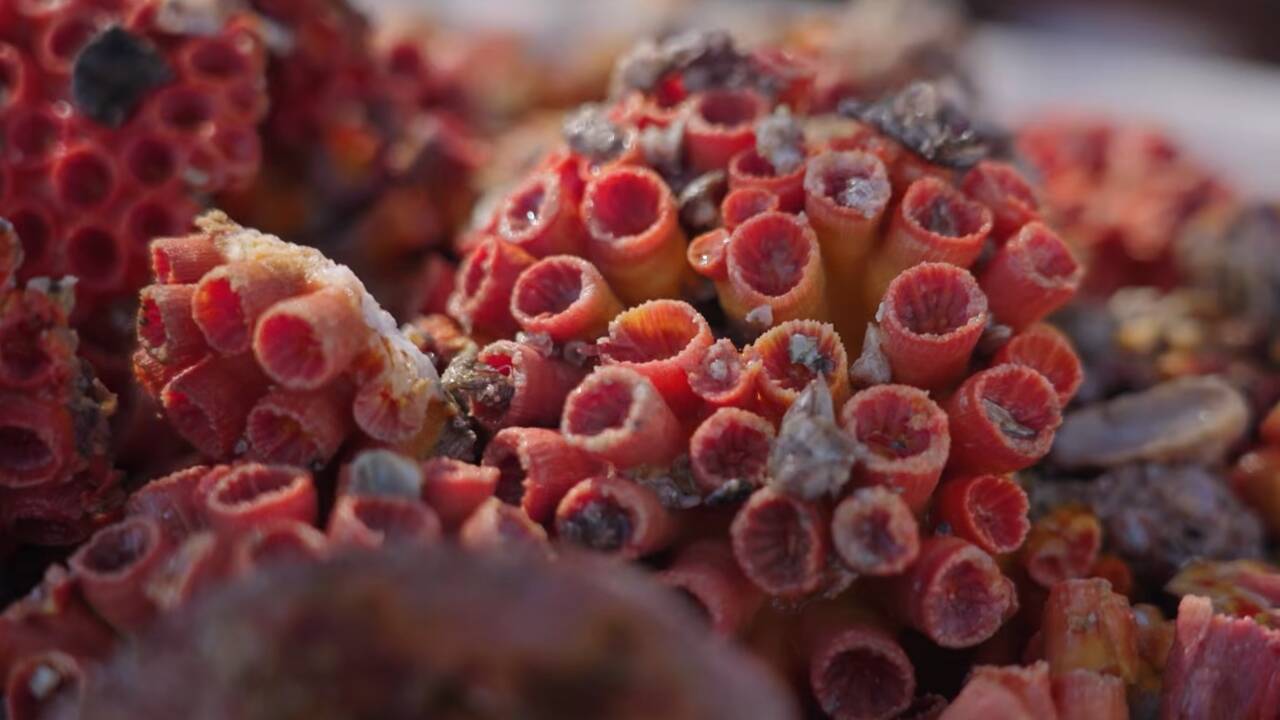
Biological invasions in marine ecosystems operate like unhedged liabilities on an ecological balance sheet: if left unchecked, their compounding reproduction rates bankrupt native biodiversity and collapse local fisheries. Along the southeastern coast of Brazil, specifically in the waters surrounding Rio de Janeiro, Arraial do Cabo, and Ilha Grande, the invasive sun coral (Tubastraea coccinea and Tubastraea tagusensis) has transitioned from an accidental maritime stowaway into a dominant benthic competitor. While mainstream coverage frames the response around the heroism of volunteer scuba divers chipping away at orange polyps with hammers and chisels, a rigorous operational analysis reveals a complex resource-allocation problem. Manual removal by citizen scientists is not a permanent cure; it is a high-labor containment strategy designed to buy time for systemic biosecurity interventions while protecting high-value ecological assets.
To understand why manual extraction remains the primary defense mechanism despite its labor intensity, one must examine the biological mechanics of the invader, the structural limitations of subsea mechanical removal, and the economic trade-offs between volunteer mobilization and automated remediation.
The Biological Mechanics of Benthic Displacement
Sun coral is an azooxanthellate scleractinian coral native to the Indo-Pacific. Unlike native Brazilian reef-building corals, which rely on symbiotic photosynthetic algae (zooxanthellae) and require specific light and temperature parameters, Tubastraea species are heterotrophic filter feeders. This physiological trait removes depth and light constraints, allowing the organism to colonize shaded overhangs, vertical rock faces, shipwrecks, and artificial offshore structures.
The competitive advantage of Tubastraea relies on four compounding biological mechanisms:
- Premature and Dual-Mode Reproduction: Tubastraea reaches sexual maturity rapidly, sometimes within months of settlement, and employs both sexual reproduction (releasing brooded planula larvae) and asexual budding. A single colony can produce multiple cohorts of larvae annually, which remain viable in the water column for weeks before settling.
- Chemical Allelopathy: Sun coral secretes secondary metabolites that actively inhibit the growth of adjacent native organisms and cause tissue necrosis in endemic corals such as Mussismilia hispida. It does not merely occupy empty space; it manufactures space by killing competitors.
- Absence of Native Predators: In its native Indo-Pacific habitat, specialized nudibranchs, snails, and certain reef fish regulate Tubastraea populations. In the southwestern Atlantic, local predators lack the evolutionary recognition or physiological tolerance to consume the coral's toxic tissues, removing top-down population control.
- Opportunistic Vector Exploitation: The species arrived in Brazil in the late 1980s attached to oil and gas platforms operating in the Campos Basin. Offshore infrastructure acts as artificial stepping stones, creating dense larval supply hubs that continuously seed coastal rocky reefs via southward-flowing currents.
When Tubastraea establishes a foothold on a rocky reef, it initiates a phase shift. Native macroalgae, sponges, and endemic corals are smothered, transforming a complex, three-dimensional habitat into a homogeneous monoculture. This structural flattening eliminates shelter for juvenile reef fish and commercially valuable crustaceans, directly degrading the productivity of artisanal fisheries in Rio de Janeiro state.
The Operational Cost Function of Manual Removal
Because chemical treatments pose unacceptable toxicity risks to surrounding marine life and biological controls risk secondary ecological cascades, physical extraction remains the only regulator-approved mitigation method in Brazilian marine protected areas. Managing this extraction requires balancing labor supply, underwater bottom time, and collateral damage.
The Mechanics of Mechanical Extraction
Removing sun coral is physically demanding and technically precise. Divers use hammers, chisels, and pneumatic tools to fracture the calcium carbonate skeleton at its base, prying the colony off the granite or basalt substrate.
The primary operational risk during extraction is fragmentation-induced propagation. If a diver shatters a colony without collecting every tissue fragment, the surviving polyps can reattach to the substrate and generate new colonies. Worse, physical trauma can trigger a stress-spawning event, causing mature colonies to release brooding planula larvae directly into the water column at the exact moment of disturbance. Effective extraction therefore requires a two-person workflow: one diver fractures the skeleton while a second diver immediately vacuums or bags the debris using fine-mesh containment sacks.
The Physics and Economics of Bottom Time
Underwater labor is strictly rationed by hyperbaric physiology. At depths of 10 to 25 meters—the prime colonization zone for Tubastraea along the Rio de Janeiro coastline—recreational and scientific divers face non-decompression limits (NDLs) and rapid air consumption.
A standard 80-cubic-foot aluminum scuba cylinder provides roughly 45 to 60 minutes of working time at 15 meters, depending on the diver's exertion rate. Swinging a hammer underwater elevates metabolic demand and respiratory rate, cutting available bottom time by 20 to 30 percent. When factoring in surface intervals, boat transit times, equipment maintenance, and gas fills, the actual productive extraction window per diver per day rarely exceeds 90 minutes.
Hiring commercial saturation or surface-supplied divers to clear hundreds of kilometers of rocky coastline would require tens of millions of dollars in recurring annual expenditure—capital that Brazilian environmental agencies (such as ICMBio and INEA) simply do not possess. Volunteer divers solve the labor-cost bottleneck by subsidizing the operation with their own time, certification expenses, and recreational gear.
Strategic Triage and Spatial Prioritization
Deploying volunteer divers randomly across an invaded coastline yields a negative return on effort. Because larval supply from uncleaned offshore oil platforms and deep-water reservoirs remains continuous, cleared areas face rapid re-colonization. Successful management programs, such as the Projeto Coral-Sol initiative, operate on a framework of strict spatial triage rather than total eradication.
- Vector Interception (Source Control): The highest-leverage intervention occurs before the coral reaches natural reefs. This involves inspecting and cleaning ship hulls, floating dry docks, and decommissioned oil rigs in port facilities like Guanabara Bay before they transit to pristine coastal zones.
- Quarantine Perimeters (Containment Lines): Managers map the leading edge of the invasion front—for example, the boundary between heavily invaded waters near Ilha Grande and less-impacted reefs further south. Volunteer teams concentrate effort on these buffer zones to slow geographic expansion.
- High-Value Asset Protection (Biodiversity Sanctuaries): Within heavily invaded zones, divers establish "clean islands" around critical ecological assets, such as nursery grounds for endemic fish or high-traffic ecotourism dive sites in Arraial do Cabo. By clearing these specific micro-habitats every three to six months, teams prevent colonies from reaching sexual maturity, breaking the local reproductive cycle even if external larvae continue to arrive.
- Data Collection and Acoustic/Visual Mapping: Volunteers act as a distributed sensor network. Before swinging a hammer, teams log GPS coordinates, depth profiles, colony density, and substrate type. This converts recreational dives into structured longitudinal datasets that allow marine biologists to model larval dispersal currents and predict future outbreak zones.
Systemic Limitations and Failure Modes
Relying on volunteer manual extraction introduces distinct operational vulnerabilities that constrain long-term success.
Depth Refugia
Volunteer divers certified to recreational standards are restricted to maximum depths of 30 to 40 meters, with optimal working efficiency occurring above 20 meters. Tubastraea thrives at depths exceeding 50 meters. These deep-water populations remain completely untouched by manual removal teams, functioning as permanent, protected broodstock reservoirs that continuously re-seed the shallow reefs cleared by volunteers.
Skill Asymmetry and Benthic Collateral Damage
Volunteer cohorts exhibit wide variance in buoyancy control and tool handling. An inexperienced diver attempting to chisel a vertical wall in strong surge frequently damages adjacent native sponges, gorgonians, and bryozoans. Poorly executed removals can strip the substrate bare, inadvertently creating clean settlement surfaces that favor fast-growing invasive larvae over slow-growing native species. Programs must invest heavily in standardized training and certification protocols before allowing volunteers to operate tools on live reefs.
Regulatory and Liability Friction
Operating volunteer labor in hazardous marine environments creates legal and logistical bottlenecks. Diving near commercial shipping lanes, active port infrastructure, or heavy surge zones requires strict safety protocols, emergency oxygen setups, vessel support, and liability waivers. Scaling volunteer output is often limited not by the number of willing divers, but by the administrative capacity of NGOs and park authorities to supervise them safely.
Compassion Fatigue and Donor Burnout
Invasive species management is a perpetual operational expense (OpEx), not a one-time capital expenditure (CapEx). Because re-colonization is inevitable without upstream vector control, volunteers must repeatedly clear the exact same reef sectors year after year. Maintaining volunteer morale and securing recurring corporate or state funding for a war of attrition requires sophisticated community management and transparent reporting of localized ecological wins.
Shifting from Reactive Extraction to Upstream Biosecurity
Manual removal by volunteer divers along the Rio de Janeiro coast is a necessary tactical defense, but it cannot serve as the centerpiece of a permanent solution. To alter the long-term trajectory of the Tubastraea invasion, environmental regulators and maritime industries must shift capital and enforcement upstream toward the primary vectors of introduction and propagation.
- Enforce Mandatory Hull Biofouling Standards: Port authorities in Rio de Janeiro and Sepetiba Bay must transition from voluntary guidelines to strict biofouling inspections for commercial vessels and offshore support ships, requiring certified in-water hull cleaning with debris capture prior to port entry or departure.
- Integrate Decommissioning Protocols: Energy regulators must mandate that offshore oil and gas operators strip and safely dispose of Tubastraea biomass from jackets, risers, and semi-submersible rigs before towing assets through coastal waters for decommissioning or maintenance.
- Deploy Autonomous and Semi-Autonomous Tooling for Deep Refugia: Research grants must pivot away from funding basic manual eradication surveys toward engineering remotely operated vehicles (ROVs) equipped with localized thermal-shock, high-pressure cavitation, or encapsulated chemical-injection systems capable of neutralizing broodstock colonies below the 30-meter recreational diving ceiling.
- Formalize Citizen-Science Taxonomies: Conservation groups must standardize their diver training into tiered operational units—separating novice divers (assigned to photographic mapping and debris bagging) from master-level extraction technicians—to eliminate collateral reef damage and maximize the yield of every underwater minute.