The frost in Almaty does not care about geopolitics. It arrives on silent boots from the Siberian steppes, freezing the diesel in the fuel tanks of long-haul trucks idling at logistics hubs. For a driver named Daniyar, whose livelihood depends on keeping his aging Kamaz rig moving across Central Asia, winter is an arithmetic of survival. You watch the temperature gauge. You watch the fuel gauge. And lately, you watch the price board at the roadside station with a growing sense of dread.
Across a massive expanse of landlocked republics, an invisible script is being rewritten. For decades, the engine of Central Asia ran on Russian energy. Pipelines, railcars, and refined petroleum products flowed south out of Moscow’s orbit with the steady, unquestioned rhythm of a heartbeat. But rhythms change when the heart starts missing beats. Also making waves in this space: Why the Heathrow Expansion is Becoming a Multi Billion Pound Gamble.
Russia, grappling with its own internal refining pressures, domestic shortages, and the cascading weight of international sanctions, has tightened the valve on outbound fuel exports. When the giant sneezes, the neighbors catch a cold. In Kazakhstan, Kyrgyzstan, and Tajikistan, that cold feels like a freeze.
Enter a different kind of neighbor. More insights into this topic are detailed by Bloomberg.
To the south, beyond the jagged peaks of the Hindu Kush and the arid stretches of the Iranian plateau, lies a country intimately familiar with the art of economic gravity-defying. Iran has spent decades perfecting the mechanics of surviving under the heavy hand of global isolation. They have surplus petroleum, they have refining capacity, and crucially, they have motivation.
Consider what happens when a vacuum forms in a market as vital as Central Asia. Nature hates an empty space. Commerce hates a dry pump even more.
The Anatomy of a Shortage
To understand why Iranian oil is finding an opening in the heart of the Eurasian continent, you have to look closely at the mechanics of scarcity. A fuel crisis is rarely just about a lack of crude in the ground. It is about logistics, refining bottlenecks, and domestic politics.
In Russia, strategic priorities shifted. Domestic consumption had to be met first, and agricultural demands during peak harvest seasons strained an already stressed refining sector. Prices at home climbed, prompting export restrictions. When Moscow restricts fuel exports to stabilize its own internal market, economies that rely on those refined products—gasoline, diesel, jet fuel—are left standing at the station holding empty containers.
Central Asia is particularly vulnerable. Nations like Kyrgyzstan and Tajikistan import the vast majority of their petroleum products. They do not have the sprawling refinery infrastructure of their northern neighbor. They are price-takers, dependent on bilateral agreements and traditional supply chains.
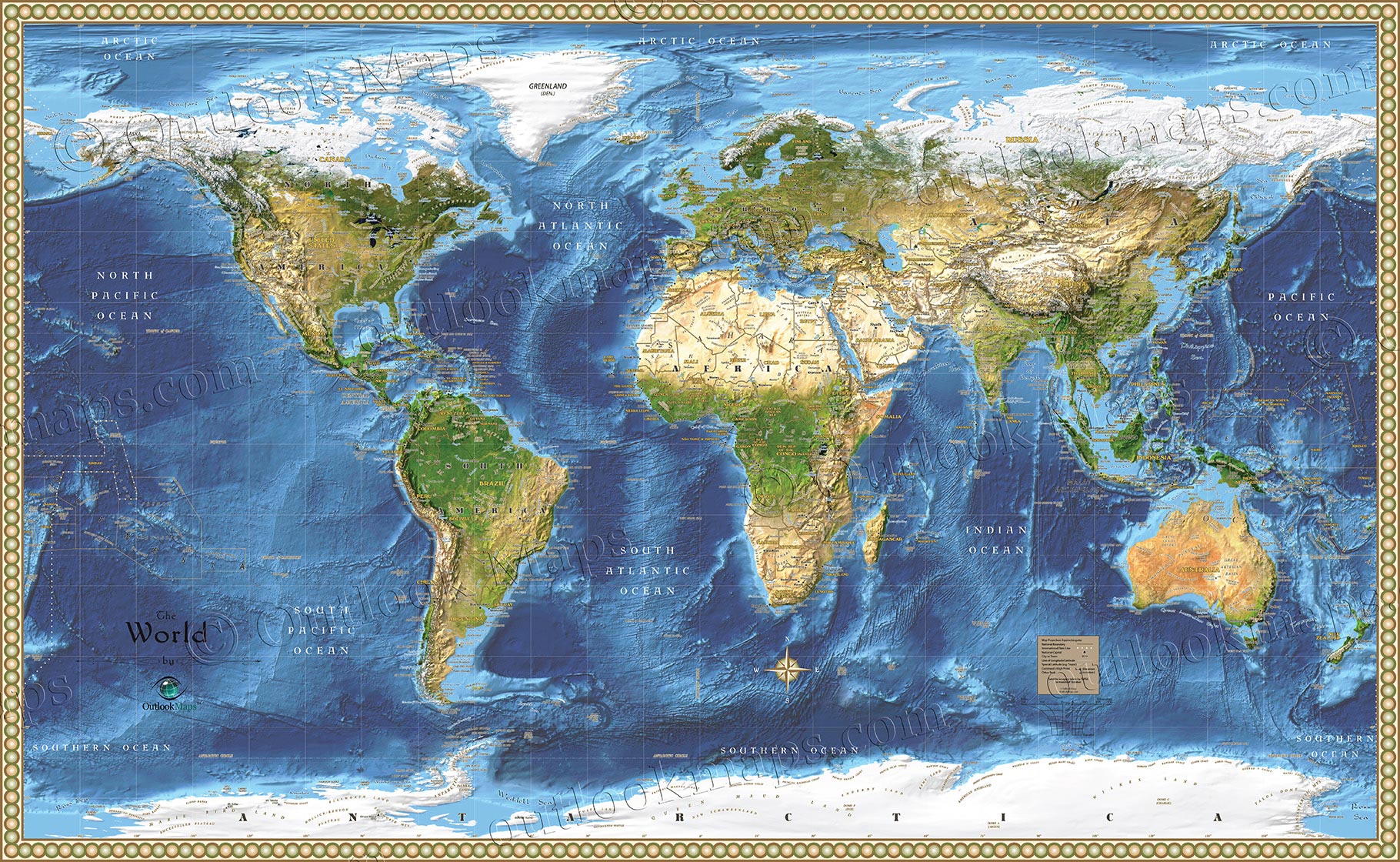
When those traditional chains fray, panic sets in. Trucking associations send warning letters. Ministries hold emergency meetings behind closed doors. And traders, the quiet orchestrators of global commerce, start looking at maps with new eyes. They trace lines that bypass the traditional northern corridors entirely. They look south.
The Southern Vector
Trading with Iran is not for the faint of heart. It requires navigating a labyrinth of secondary sanctions, complex payment mechanisms, and unorthodox shipping routes. Yet, necessity is a brilliant tutor.
For years, Iran has sought ways to integrate its economy more deeply with its eastern and northern neighbors, weaving through the Chabahar port ambitions and ancient rail corridors. Central Asia represents a natural hinterland—a market of tens of millions of people who need energy to plant crops, heat homes, and transport goods across vast steppes.
How does it actually work on the ground?
Picture a railcar crossing the border terminal at Incheh Borun or traversing the trans-Caspian routes. The paper trail is deliberately opaque. Transactions are structured to minimize exposure to western financial oversight, often relying on barter, national currencies, or third-party clearing houses. It is a shadowy dance, executed far from the sleek glass towers of international finance, fueled by pragmatism rather than ideology.
Iranian heavy and light crudes, along with refined derivatives, begin trickling into regional mixing hubs. Swap arrangements are discussed. Tehran delivers petroleum to northern buyers, while complex financial and commodity offsets balance the ledger. It is messy. It is inefficient compared to the old, well-oiled pipelines of the Soviet era. But it works. And when the alternative is a stalled transport fleet and paralyzed commerce, messy is a luxury you can afford.
The Human Cost on the Asphalt
Back on the highway outside Bishkek, Daniyar wipes condensation from his windshield. His truck is carrying a load of Turkmen textiles destined for a market in Almaty, but his mind is on his fuel expenses. A year ago, he budgeted a predictable percentage of his run for diesel. Today, that budget is a frayed piece of string.
Stories circulate among the drivers at the roadside cafes. Talk of alternative fuel sources, whispers of Iranian shipments arriving via rail through Turkmenistan, rumors of shifting supply lines. The drivers do not care about geopolitical alignments or diplomatic communiqués. They care about whether the pump will take their card and whether the price per liter will leave enough profit to feed their families at the end of the month.
This is where abstract macroeconomics meets human reality. Every uptick in fuel prices ripples outward. It makes a loaf of bread more expensive in a Dushanbe bazaar. It turns a routine agricultural transport run into a financial gamble for a family farm in the Fergana Valley.
When new energy suppliers step into the breach, they are not just filling storage tanks. They are stabilizing—or sometimes complicating—the fragile cost of living for millions of people who live at the crossroads of empires.
A New Geography of Trade
The pivot toward alternative supply lines tells a larger story about our current century. The old unipolar maps are dissolving. Regional powers are carving out spheres of economic autonomy, driven by the sheer pressure of survival.
Russia remains a dominant force in Central Asia, bound by history, language, and deeply entrenched infrastructure. That relationship will not vanish overnight. Pipelines cannot be picked up and moved like chess pieces. Yet, the monopoly is cracking. A precedent is being set. Once a nation learns how to source energy from a sanctioned alternative, the psychological barrier to doing so again drops significantly.
For Tehran, this is a vital lifeline of diplomatic and economic relevance—a way to project influence northward and monetize resources despite the wall of international restrictions. For Central Asian capitals, it is a delicate balancing act of multi-vector foreign policy. They must manage their traditional ties with Moscow while ensuring their economies do not starve for lack of energy.
The Long Winter Ahead
The sun dips below the horizon, painting the snow-draped steppes in shades of bruised purple and gold. Daniyar turns the ignition. The engine coughs once, twice, and then settles into a heavy, rhythmic roar. He shifts into gear and pulls back onto the asphalt, joining a stream of headlights cutting through the gathering dark.
The fuel in his tank might have taken an unconventional route to get there. It might have bypassed the traditional hubs, crossed secret borders, and survived a labyrinth of bureaucratic and geopolitical hurdles. But it burns all the same.
The map of Central Asia is being redrawn, not with grand treaties or dramatic declarations, but in the quiet desperation of empty pumps, the calculated risks of traders, and the steady hum of engines pushing through the cold.