Marine groundings represent catastrophic failures in operational navigation, risk management, and situational awareness. When seventeen individuals require rescue after a fishing vessel makes unintended contact with a shoal, reef, or coastline, the public narrative typically fixates on the heroism of the extraction. From an analytical perspective, however, the extraction event is merely the lagging indicator of a multi-stage systemic breakdown. Deconstructing such maritime casualties requires evaluating the interplay between human error, environmental variables, vessel response mechanics, and Search and Rescue operational throughput.
The Taxonomy of Navigational Failure
Navigational groundings do not occur in a vacuum; they are the terminal point of an unmitigated error chain. In
Maritime Grounding Incidents Systemic Vulnerabilities And Rescue Dynamics Meanwhile, you can find related stories here: Maritime Choke Point Economics Evaluating Naval Escort Efficiency in the Bab Al Mandeb Strait.
news
Navigational failures resulting in vessel grounding events represent a critical breakdown of operational risk management at the intersection of human factors, environmental variables, and mechanical limitations. When a fishing vessel runs aground, forcing a coordinated multi-agency rescue of seventeen personnel, the incident exposes predictable vulnerabilities in maritime transit security. Surface-level reporting typically reduces such events to isolated navigational errors or sudden weather shifts. Rigorous analysis, however, demands a systematic breakdown of the failure modes that govern vessel stranding, crisis response efficiency, and safety protocols within commercial and industrial maritime sectors. To explore the full picture, we recommend the recent article by BBC News.
The Mechanics of Marine Grounding
Vessel stranding is rarely the product of a single catastrophic failure. Instead, it operates through a compounding chain of small operational deviations, known in safety engineering as the Swiss Cheese Model. In the context of coastal fishing operations, this chain typically begins with planning deficiencies and ends with a failure of positional awareness.
The primary vectors leading to grounding incidents include:
- Positional Drift and Chart Inaccuracies: Reliance on outdated electronic chart display and information systems or unverified manual plotting. Coastal cartography changes frequently due to shifting sandbars, tidal action, and seismic events.
- Fatigue-Induced Cognitive Degradation: The commercial fishing sector operates under intense economic pressures that frequently mandate extended work shifts. Circadian troughs directly impair watchkeeping vigilance, hazard recognition, and reaction latency.
- Environmental Masking: High winds, localized squalls, and heavy sea spray degrade both radar return clarity and visual sighting horizons, effectively blinding the bridge crew to proximity hazards.
- Propulsion or Steering Degradation: Mechanical latency or sudden power loss in shallow, high-current littoral zones removes the vessel's vector control options, leaving it at the mercy of prevailing swells.
When these factors align, a vessel transitions from a state of controlled transit to uncontrolled deceleration against a fixed bathymetric obstacle. The kinetic energy transfer upon impact tests the structural integrity of the hull, instantly shifting the operational priority from transit optimization to damage control and crew preservation.
The Cost Function of Rescue Operations
Extracting seventeen personnel from a grounded vessel in a high-stress coastal environment requires the mobilization of complex emergency infrastructure. The resource allocation model for maritime rescue is dictated by time-to-intervention metrics and environmental severity.
The operational overhead of a multi-vessel and aerial extraction operation involves quantifiable components:
- Response Latency: The interval between the initial distress transmission and the physical arrival of rescue assets on scene. This window is governed by transit distance, asset availability, and meteorological conditions that may restrict aviation deployment.
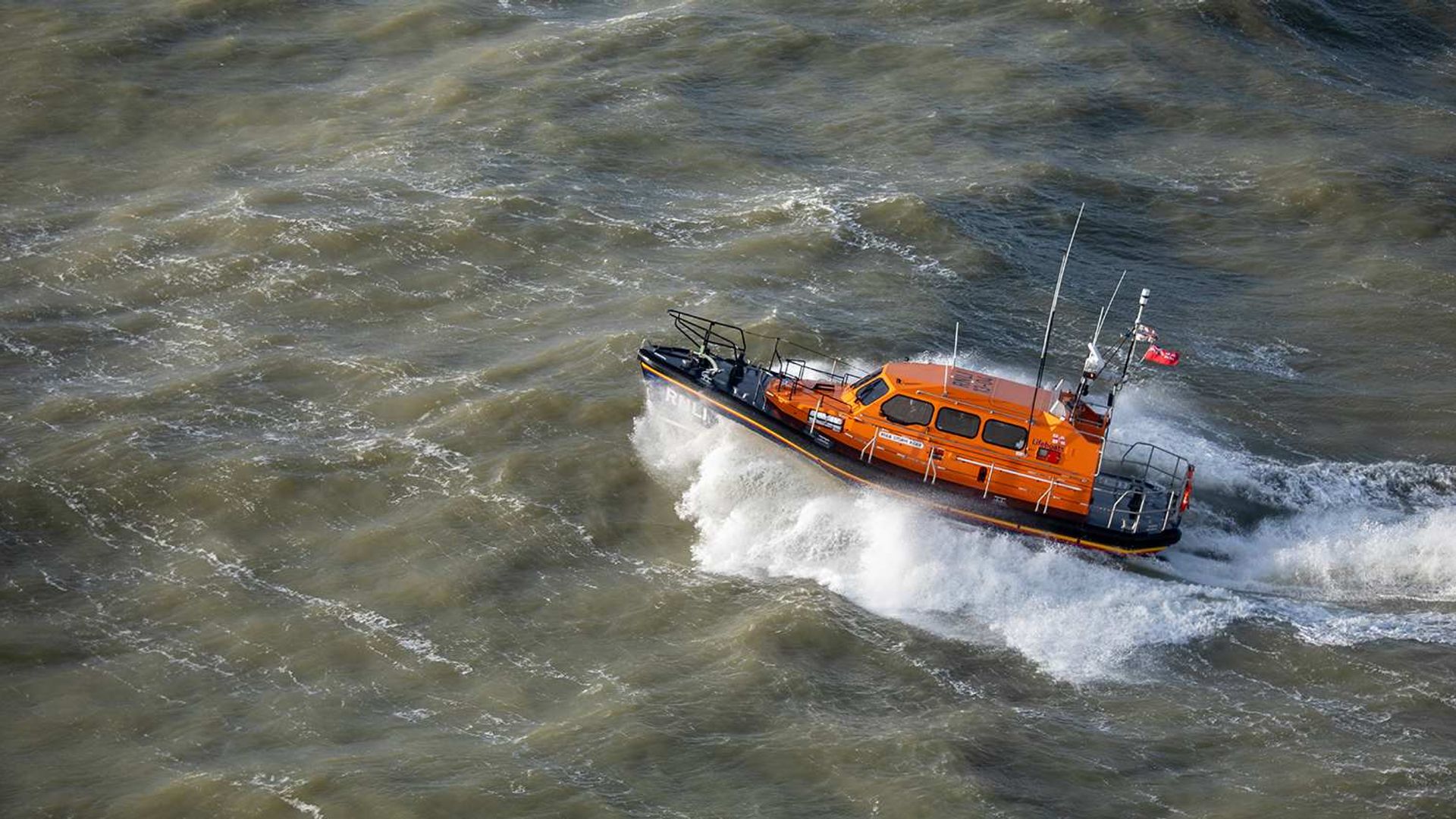
- Asset Synchronization: Coordinating surface rescue units, such as lifeboats or tugs, with airborne assets like search and rescue helicopters requires strict communication protocols to prevent collision risks in restricted spaces filled with navigation hazards.
- Environmental Exposure Risk: Rescue personnel routinely operate at the absolute limits of their equipment thresholds. High surf, breaking waves across the grounding site, and jagged bottom topography elevate the risk profile for both the victims and the salvors.
The economic and human cost of these operations highlights the structural failure of preventative barriers. Every successful extraction represents a multi-million-dollar expenditure of public safety resources deployed to correct a preventable navigational breakdown.
Human Factors and Operational Culture
The maritime industry relies heavily on procedural compliance, yet the reality of day-to-day fishing operations often incentivizes heuristic shortcuts. Bridge resource management principles dictate that command structures should encourage cross-checking and open communication regarding positional risks. However, hierarchical cultures aboard smaller commercial vessels frequently suppress junior crew members from voicing concerns about heading or speed when senior officers are in command.
Furthermore, economic incentives in commercial fishing create perverse risk tolerances. Speed to grounds and minimization of transit time directly correlate with catch yields and revenue. This financial pressure alters the risk-reward calculus of the skipper, leading to narrower margins of safety when navigating complex coastal archipelagos or shallow passages.
Systemic Preventative Architecture
Mitigating the recurrence of multi-person grounding incidents requires a structural shift from reactive rescue dependency to proactive spatial safety frameworks. The implementation of modern geofencing technologies, automated collision avoidance systems, and mandatory rest-period enforcement represents the baseline necessary to alter the incident curve.
Navigational safety is an engineering problem governed by feedback loops and error tolerances. Until the maritime sector enforces rigorous operational standards that account for human fatigue and environmental unpredictability, coastal waters will continue to exact a heavy operational tax through groundings and the subsequent mobilization of emergency rescue services.