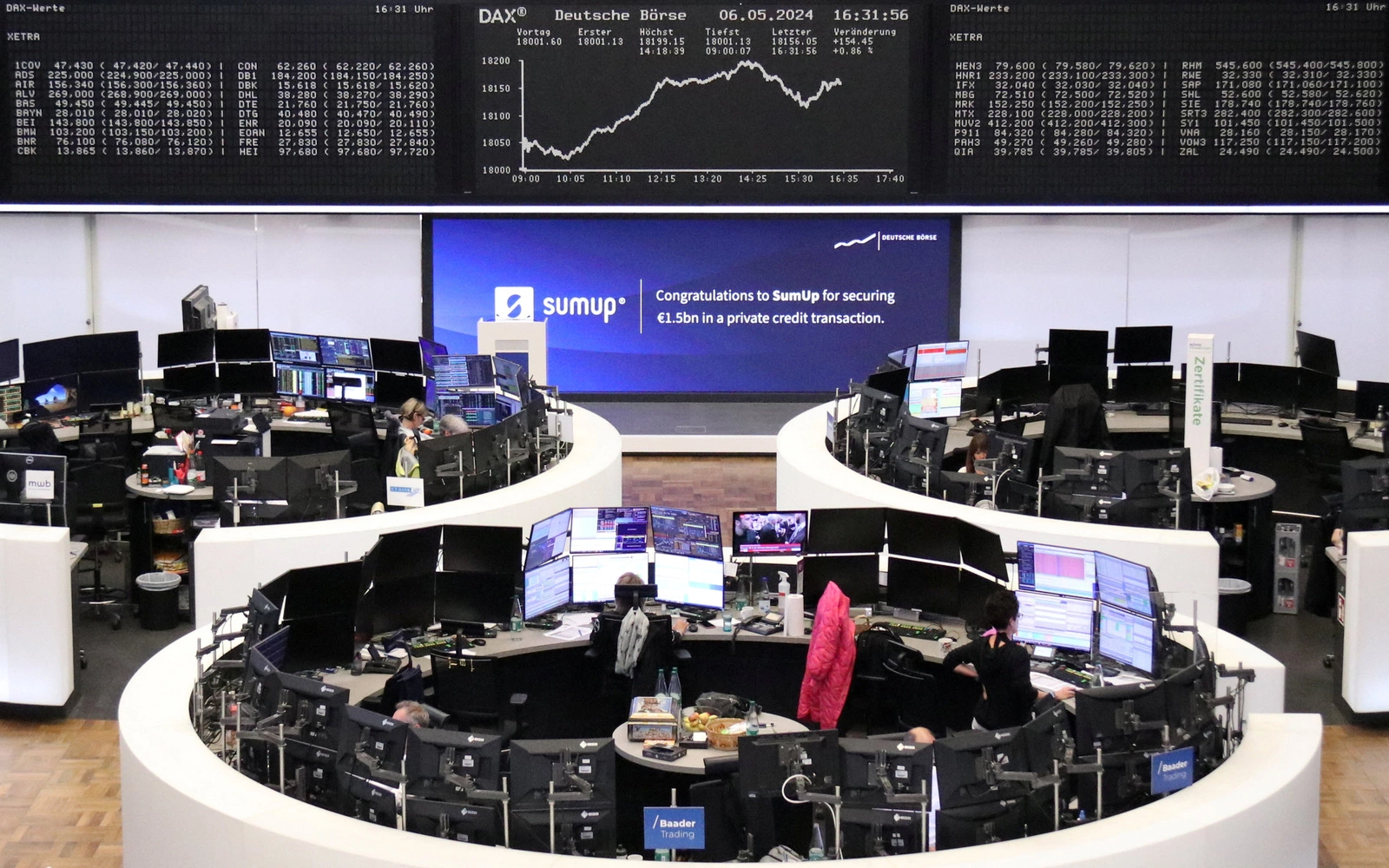
You’re watching the news and see images of the Strait of Hormuz effectively closed, drone strikes hitting energy infrastructure, and a full-blown war between the U.S. and Iran. Then you check your 401(k) and see the S&P 500 just breached 7,000 for the first time in history. It doesn't make sense. It feels like the world is coming apart at the seams, yet Wall Street is throwing a party.
I’ve seen this movie before. Every time a geopolitical crisis explodes, people expect a market crash that lasts for years. Instead, we get a "V-shaped" recovery that leaves everyone who sold in a panic wondering what they missed. On April 15, 2026, the S&P 500 settled at 7,022.95, erasing every single cent of the 9% "conflict correction" we saw in March. The Nasdaq is doing even better, surging past 24,000.
The truth is, the stock market isn't a moral compass or a reflection of human suffering. It’s a cold, forward-looking machine. Here is why it’s hitting record highs while the headlines look like a nightmare.
The Forward Looking Pricing Machine
The biggest mistake you can make is thinking the stock market cares about what's happening today. It doesn't. By the time you see a headline about a ceasefire or a naval blockade, the big money has already priced it in.
Markets are betting on the end of the conflict, not the current state of it. The two-week ceasefire announced in April gave traders exactly what they wanted: a light at the end of the tunnel. President Trump’s claims that the war is "very close to over" might be political theater, but for a trader, that’s a signal to buy the dip before the "peace rally" officially starts.
If the market waits for the treaty to be signed, it misses the move. Investors are currently pricing in a "contained conflict" scenario. They’re betting that even if the Strait of Hormuz stays messy for a while, the global economy has already figured out how to route around the chaos.
Why Oil Isn’t Killing the Rally
Normally, an Iran war means $150 oil and an immediate global recession. But it’s 2026, and the math has changed. Brent crude peaked at $119 in March, but it’s already drifted back toward $94. While that’s higher than the $70 we saw pre-war, it’s not the "energy apocalypse" everyone predicted.
- The Shale Patch Resiliency: U.S. domestic production is keeping a lid on the panic.
- Efficiency Gains: The world is about 36% less oil-intensive than it was 25 years ago. We simply don't need as much crude to generate a dollar of GDP anymore.
- Strategic Reserves: Governments have become much more aggressive about dumping reserves into the market to stabilize prices during hot wars.
Basically, the "oil shock" happened, the world didn't end, and now investors are looking at the next thing.
Earnings Are The Only Thing That Matters
While the war occupies the top half of the newspaper, the bottom half is filled with corporate earnings reports. And they’re good. Really good.
Bank of America and Morgan Stanley just crushed their trading estimates. Their CEOs aren't talking about war; they’re talking about how American consumers are still spending and how corporate credit quality is actually improving. When the S&P 500 companies are expected to pull in over $600 billion in a single quarter, a regional war in the Middle East becomes a secondary concern for big institutional funds.
If companies are making money, the stock market goes up. It's that simple. We’re seeing a massive disconnect where the "macro" environment looks terrifying, but the "micro" level—the actual businesses you own—is thriving.
The Trump Card and Negotiating with Blocks
We can't ignore the "blockade diplomacy" we've seen this month. The U.S. naval blockade of Iranian ports was a massive gamble. It could have sparked a global naval war. Instead, it seems to have forced Iran back to the negotiating table in Islamabad.
Markets love a "strongman" resolution. Whether you like the tactics or not, the market sees a blockade that leads to talks as a faster path to stability than a decade-long insurgency. Traders are buying the "resolution" rather than fearing the "escalation."
Misconceptions About War and Stocks
Many people think war is bad for stocks across the board. History says otherwise.
- War is often stimulative: Government spending surges.
- Tech is insulated: If you’re a software company or an AI chip designer, a naval blockade in the Persian Gulf doesn't stop people from buying your products.
- Inflation helps some sectors: Higher prices can lead to higher nominal earnings, which pushes stock prices up even if the "real" value is flat.
Don't Get Shaken Out
If you sold your portfolio in late March because you were scared of a World War III headline, you just missed a 10% rally in 10 days. That’s how fast the market moves.
Stop trying to trade the news. The headlines are designed to make you feel emotion. The market is designed to take money from people who act on those emotions.
Your next steps are simple. Check your asset allocation. If you couldn't sleep when the market dropped 9% last month, you're carrying too much risk. Use this record-high rally to rebalance. Don't wait for the next "unforeseen" crisis to realize you have a low stomach for volatility. Rebalance into defensive sectors like utilities or healthcare if you're worried, but don't exit the game. The machine doesn't care about the fire; it only cares about the recovery.